
Field trip planning
Kindergarten Field Trip Ideas That Build Curiosity.
Kindergarten field trip ideas that turn community places, nature, art, and everyday work into focused, age-appropriate learning.
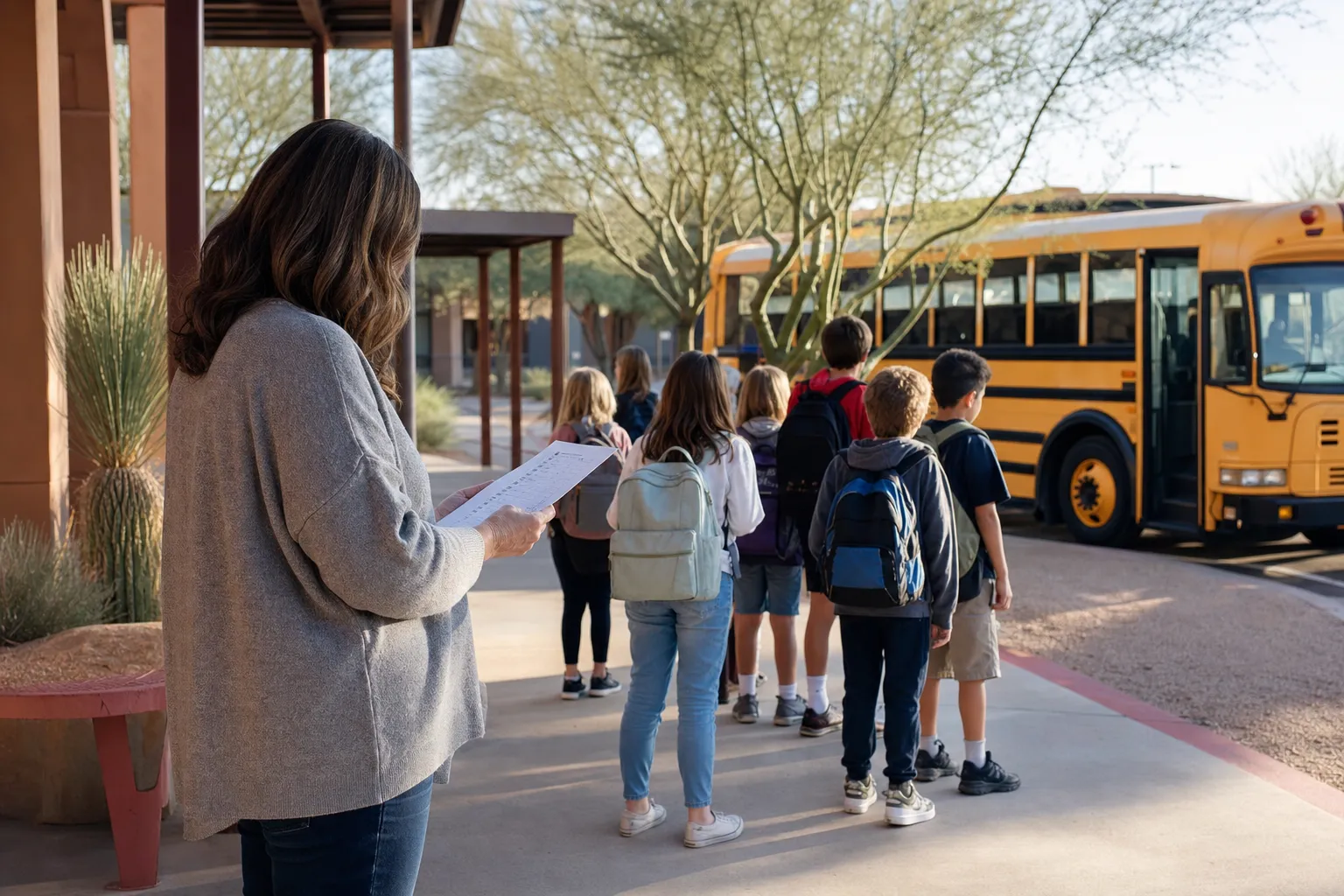
The best kindergarten field trips give children one real thing to wonder about. A short visit to a library, garden, fire station, or neighborhood business can turn a classroom question into a memory they can describe, draw, and revisit together.
For five- and six-year-olds, a successful outing is not measured by how many stops fit on the schedule. It is measured by whether children can take part without becoming overwhelmed. Start with a question they are already exploring, then choose a place where they can see, hear, touch, or ask about it. The National Park Service’s field-trip guidance recommends clear learning objectives, prepared chaperones, and a follow-up activity. Those basics give kindergarten students enough structure to stay curious.
Before choosing a destination, check the fit
Use these four questions to compare kindergarten field trip ideas:
- What will children experience there? Choose one concrete idea they can notice or talk about.
- Can the group move through it calmly? Consider walking distance, restrooms, shade, noise, and room to regroup.
- Does it work for every child? Confirm accessibility, food, medical, sensory, and support needs early.
- Can the day keep its rhythm? Leave time for attendance, loading, travel, the visit, food, and return.
1. Visit the library for a story and a small mission
A library is one of the best kindergarten field trip ideas because the setting is familiar enough to feel safe but different enough to feel special. Ask whether a children’s librarian can share a short story, introduce a simple nonfiction topic, show the class how borrowing works, or help children find books connected to a classroom theme. Give each small group one gentle mission, such as spotting an animal on a book cover or finding one thing the librarian does to help people.
Keep the visit focused and short. Before leaving school, practise walking feet, indoor voices, the group meeting signal, and the name of the adult each child stays with. Back in class, children can make library cards, create a class book, or draw the story moment they remember most. A focused return activity makes the experience feel connected rather than separate from the school day.
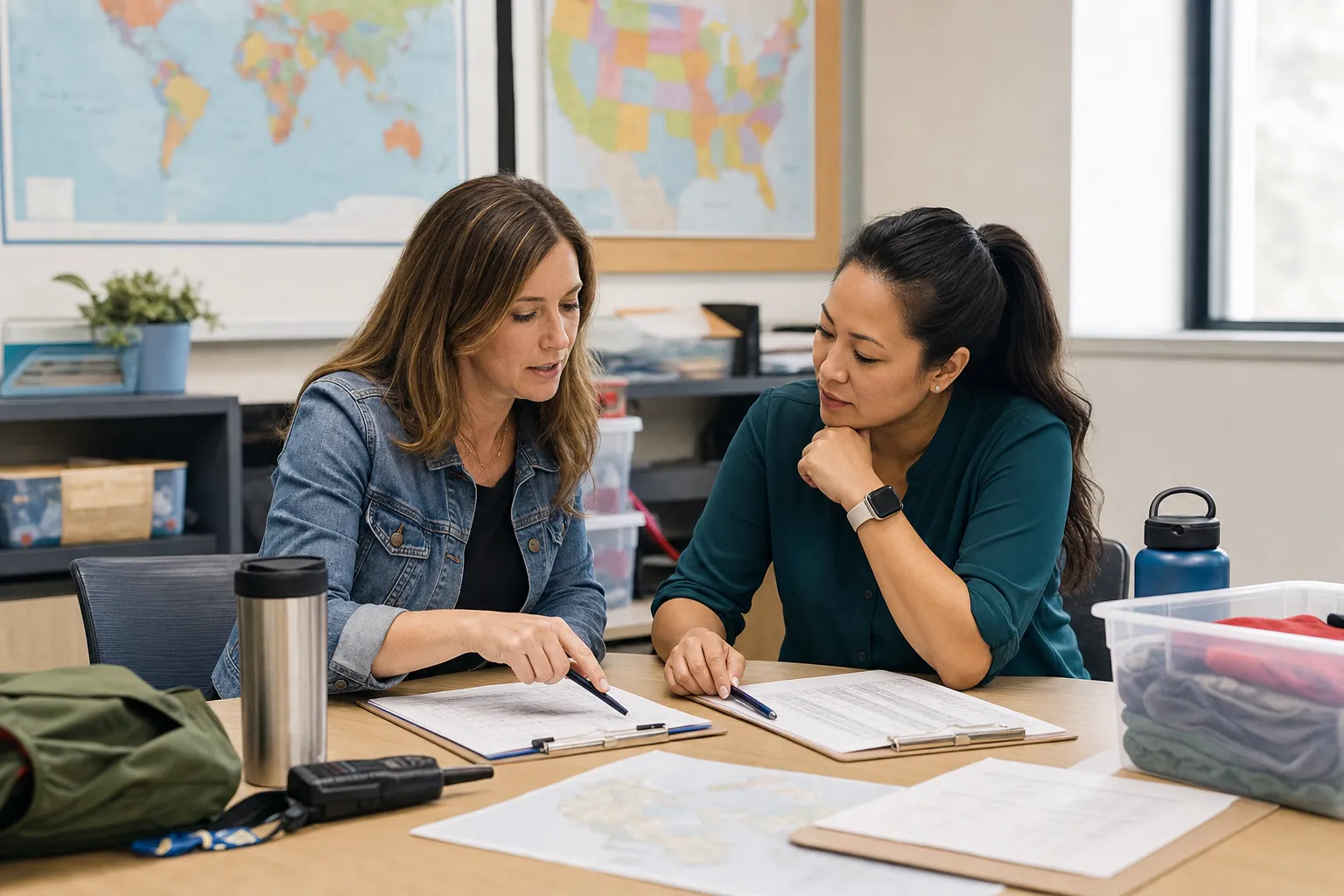
2. Meet community helpers at a fire station or public service site
A fire station, post office, library branch, public works facility, visitor center, or city department can make community roles visible. Kindergarten students can see uniforms, vehicles, tools, and workspaces that support people around them. The best question is usually a simple one: “How does this person help our community?” It gives children a reason to listen without asking them to hold onto too many details.
Call well in advance with the group’s age, size, preferred date, and learning focus. Emergency services may need to change plans quickly, so keep a classroom backup activity ready. If the destination cannot host a full tour, a vehicle demonstration or a short visit from a community helper can still support the same question. Follow up with a thank-you note, class mural, or dramatic-play station based on what children noticed.
3. Explore a garden, nursery, or short nature walk
A community garden, nursery, nature center, botanical area, or shaded neighborhood walk gives kindergarten students plenty to notice without asking them to sit still for long. Pick one observation focus, such as what plants need, where insects live, how leaves differ, or what sounds can be heard outdoors. A few picture prompts work better than a long worksheet. The goal is to make children look closely, not to rush them through a list.
Outdoor plans in Phoenix need to account for heat, water, shade, walking distance, and the time of day. The Ontario Kindergarten Program notes that outdoor learning and field trips require careful advance planning around children’s health and safety. Confirm the route, restroom access, loading area, and a calm regrouping point before the class arrives. A shorter outdoor experience with water breaks can be far more useful than an ambitious route that leaves children tired.
4. See where food comes from
A farm, farmers market, grocery store, bakery, or community garden can help kindergarten students connect food to people, plants, animals, and work. Children might notice the colors and shapes of produce, watch bread being prepared, see how a market is organized, or follow one simple path from seed to snack. Choose one process to follow from beginning to end. That is enough for a kindergarten group to describe when they return.
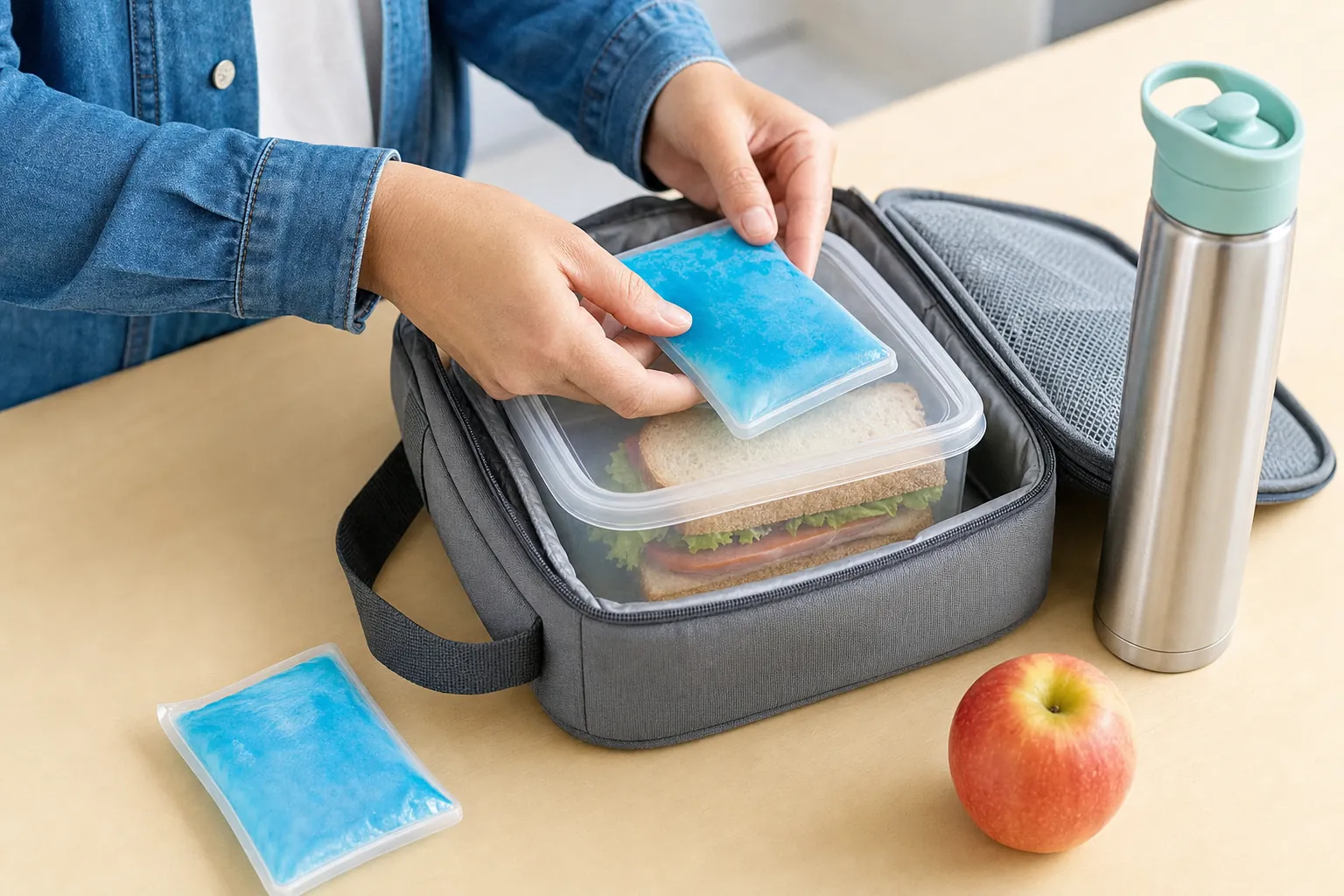
Ask the host about allergies, handwashing, food handling, group boundaries, and whether children can touch or taste anything. If the outing includes a snack or lunch, coordinate those details with the school and families before the day. The field trip packing checklist can help school teams decide what students should bring and what is easier to leave at home.
5. Make early math visible at a local business
A grocery store, bakery, flower shop, hardware store, or other small business can help children see sorting, counting, weighing, measuring, and taking turns in action. Ask the host to show one small process, such as weighing ingredients, grouping produce, counting packages, or arranging items by size. A picture card with three things to spot gives children a clear job during the visit.
Active businesses have customers, deliveries, and safety requirements, so keep the group together and away from work areas. Explain the routine before arriving: stay with the assigned adult, look before touching, and stop at the meeting point when asked. Afterward, recreate the idea with a classroom store, bakery, or sorting activity. Kindergarten students learn more when the trip gives them language and materials to keep exploring.
6. Visit a children’s museum or hands-on program
Children’s museums and early-learning programs work well when the class has room to touch, build, test, and talk. Find out whether the venue offers a kindergarten program, timed entry, quiet area, bus instructions, lunch space, or a recommended visit length. Choose one or two exhibits connected to the classroom question rather than trying to see every gallery. The best visit leaves children with time to explore, not a race to the exit.
Show students a few pictures of the place and explain the sequence before the trip: bus, arrival, activity, snack or lunch, bus, school. When each step is familiar, children can put more energy into the experience itself. The field trip itinerary template helps school teams organise those handoffs before the day arrives.
7. Learn about animals with a focused visit
A small farm, animal shelter, wildlife center, aquarium program, or nature preserve can support questions about animal needs, habitats, movement, and care. Choose a destination that can host young children safely and resist the urge to see everything. One animal group, one demonstration, or one habitat gives kindergarten students enough to observe and discuss afterward.
Ask about walking distance, shaded areas, noise, restrooms, food rules, and the plan if a child needs a quiet break. Adults should know where to meet, who is responsible for each small group, and how attendance will be checked during every transition. The field trip chaperone checklist helps teams assign those roles before the day starts.
8. Turn a nearby place into a meaningful outing
A school neighborhood can offer some of the strongest kindergarten field trip ideas. A walk to a park, mural, mailbox, library, garden, or nearby business gives children a new way to see an everyday place. Nearby trips can be easier to repeat in another season and can leave more of the day for preparation and reflection. That makes them an excellent fit when a long bus ride would take too much energy from the actual learning.
Local does not mean casual. Confirm the route, crossing points, adult positions, child identification, weather plan, accessibility needs, and return time. Use the field trip planning checklist to collect those details in one school-approved plan. Children benefit from one clear routine repeated often: stop, count, move together, and stop again.
Build the day around transitions, not just the destination
Kindergarten students often remember the bus, the arrival, and the adults who helped them as clearly as the destination itself. That is why a good trip plan includes the transitions. The early-learning field-trip safety guidance from Manitoba emphasises age, abilities, group size, individual needs, food, hydration, medical needs, clear adult roles, and accurate counts during travel and transitions. Your school or district’s own rules always come first, but that is a useful picture of the details that deserve attention.
Tell children what will happen in a few short steps and repeat the same language during the day. “First we count. Then we walk to the bus. Then we sit with our group.” A picture schedule can help, but adults should also say the next step out loud. This creates predictability for children who find new places, noise, or changes in routine challenging.
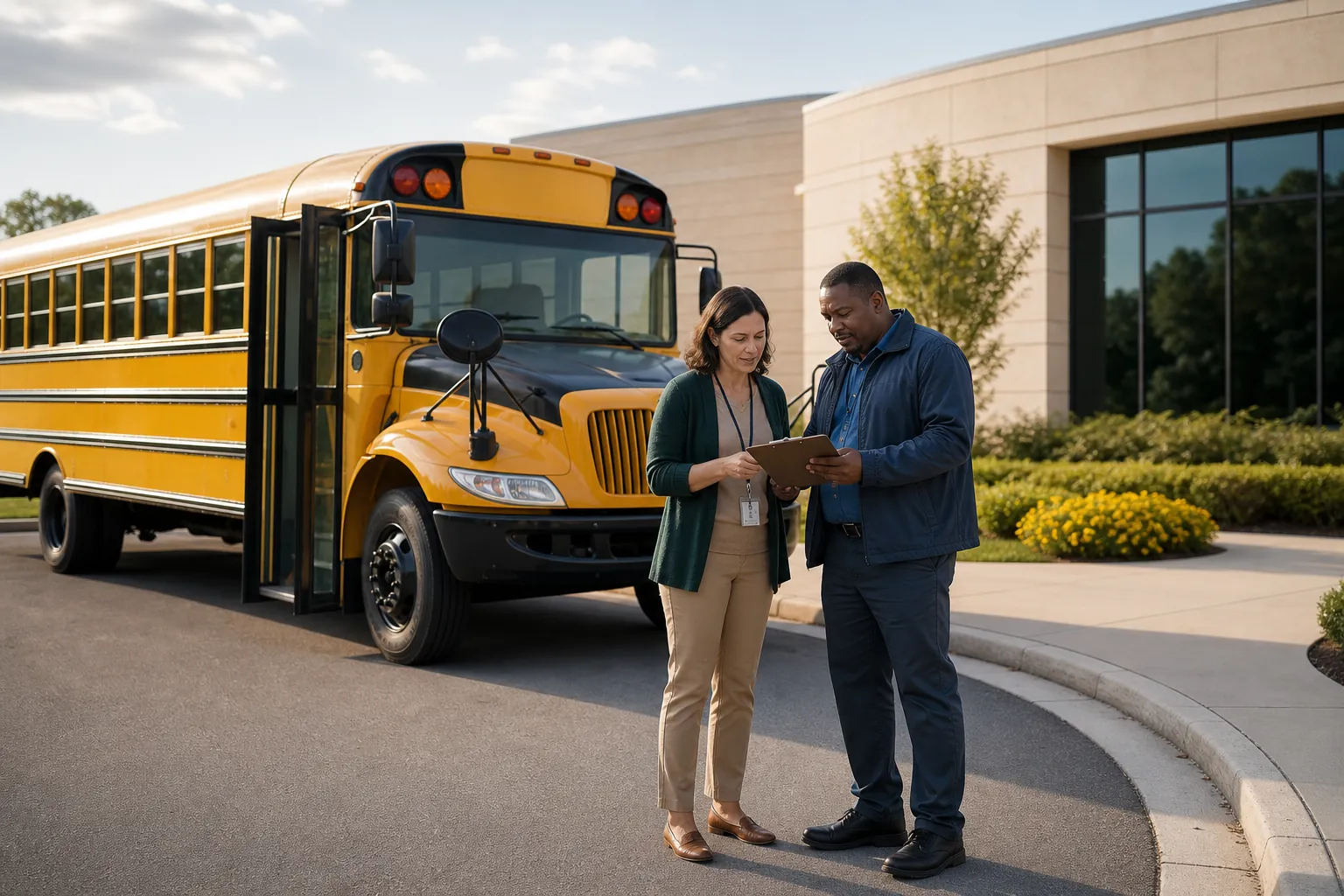
For bus travel, review the school’s own expectations for supervision, boarding, seating, aisles, and emergency information. The National Highway Traffic Safety Administration’s school bus safety guidance can support that conversation alongside established school procedures. Use the field trip transportation checklist to organise the pickup location, student count, destination access, trip contact, and return plan.
How Phoenix Suburban Transportation helps school teams get there
Once a kindergarten team has selected a destination and confirmed the school’s internal plan, transportation should make the day easier to run. Phoenix Suburban Transportation helps schools talk through practical details early: the pickup location, number of children and adults, timing, destination access, loading routine, trip contact, and return plan. Sharing those details before the day is in motion gives everyone a clearer starting point.
For an outing that includes a bus, begin with the destination’s confirmed arrival window and the group’s actual needs. When the plan is ready, request information from Phoenix Suburban Transportation and include the basics your team already knows.
Planning a kindergarten outing
Give the travel plan a calm, clear start.
Phoenix Suburban Transportation helps Phoenix-area schools coordinate field trips around student counts, pickup details, timing, destination access, and the return to campus.
Frequently asked questions
A good kindergarten field trip has one clear learning purpose, a manageable pace, familiar adults, and time for arrivals, bathroom breaks, food, and a calm return. Choose a place where children can observe, touch, ask, or make something connected to their classroom learning.
A public library, neighborhood park, community garden, fire station, post office, nearby business, or local museum program can be a strong low-cost choice. Ask each destination about school-group availability, accessibility, group size, visit length, restrooms, and arrival instructions before making plans.
The right length depends on travel time, the activity, meals, restroom access, weather, and the school schedule. A shorter visit with one meaningful experience and enough transition time is often a better fit than a packed day.
Teachers should confirm the learning purpose, destination details, school approval, adult assignments, family information, transportation, food and restroom plans, accessibility needs, student counts, and the return routine. Follow the school or district's own policies for supervision, health information, and emergency planning.
Related posts
Field Trip Ideas for Preschoolers
Preschool field trip ideas that keep learning hands-on, routines simple, and the day manageable for young children and their teachers.
Read the guide →
Field Trip Planning Checklist for Schools
Use this school field trip planning checklist to confirm approvals, destination details, adult roles, transportation, and family communication before the day of the trip.
Read the guide →
Field Trip Transportation: A School Planning Checklist
A practical checklist for schools coordinating safe, organized transportation for an educational outing.
Read the guide →