
Field trip planning
Field Trip Ideas for Preschoolers.
Preschool field trip ideas that keep learning hands-on, routines simple, and the day manageable for young children and their teachers.
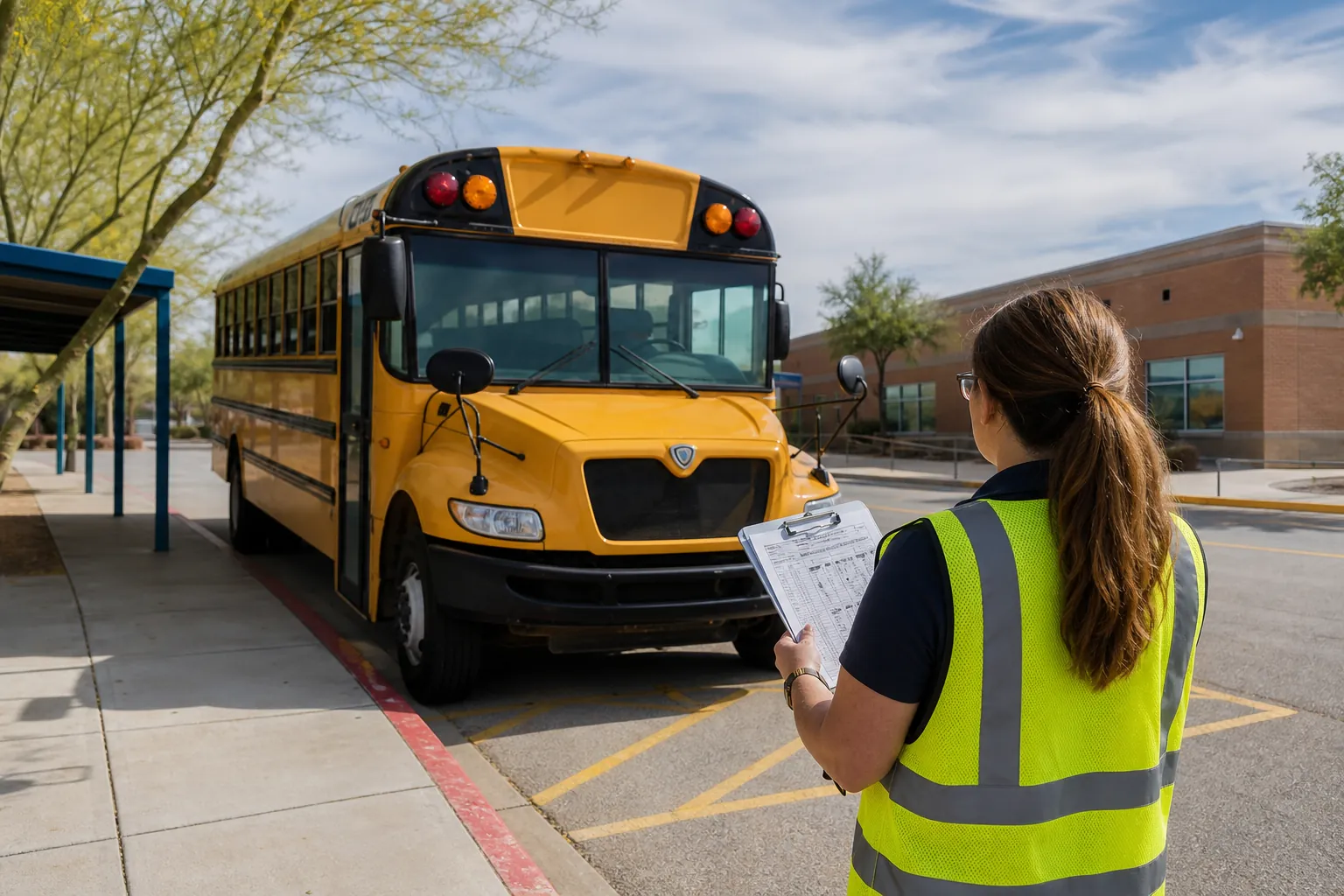
The best preschool field trips are not the biggest ones. They are short, concrete experiences that give young children something real to notice, talk about, and bring back into the classroom.
For a three-, four-, or five-year-old, the difference between an exciting outing and an overwhelming one is often the plan around it. One main activity, a clear routine, and adults who know their roles can make a library visit, neighborhood walk, or garden tour feel just as meaningful as a large attraction. The National Association for the Education of Young Children’s guidance on developmentally appropriate practice is a useful lens: choose experiences that respect children’s individual strengths, needs, cultures, and abilities.
Use these preschool field trip ideas as a starting point, then choose the option that fits your group, learning question, budget, travel time, and program policies.
1. Visit the library for a story and a simple mission
A library is an excellent first outing for preschoolers because it has a predictable purpose and a manageable scale. Ask whether the children’s librarian can offer a short storytime, show the group how to borrow a book, or help children find books about the classroom topic. Before leaving, give children one small job: find a book cover with an animal, notice something the librarian does, or choose one question they want to ask.
Keep the visit short enough that children can listen, browse, and leave while they are still engaged. Review indoor voices, walking feet, the meeting spot, and the adult each child stays with. Back in class, reread a borrowed book, make a class library card, or draw the favorite part of the visit.

2. Meet community helpers at a fire station or public service site
A fire station, post office, library branch, city service department, or visitor center can make community roles visible. Young children can see the vehicles, uniforms, tools, and workspaces that support people around them. Call well ahead, explain the age group and group size, and ask what is realistic for a preschool visit. Emergency services may need to change plans quickly, so keep the class ready to adapt.
Give the adults a single learning focus. Children might look for tools that keep people safe, listen for words that describe a helper’s job, or draw one vehicle after they return. The goal is not to cover every detail. It is to help children connect a familiar person or place to the way a community works.
3. Explore a garden, nursery, or short nature walk
A community garden, botanical area, nursery, nature center, or shaded neighborhood walk gives preschoolers plenty to observe without asking them to sit still for long. Pick one idea for the visit: what plants need, where insects live, how leaves are different, or what sounds are nearby. Bring a simple picture card or color prompt rather than a long worksheet.
In Phoenix, outdoor planning needs to account for heat, water, shade, walking distance, and the timing of the day. Confirm the route, restroom access, loading area, and a calm place to regroup before anyone arrives. A short outdoor experience with room for water and transitions is a better fit than an ambitious route that leaves children tired before the learning begins.
4. See where food comes from
A farm, farmers market, grocery store, bakery, or community garden can make food systems easier to understand. Preschoolers can notice colors and shapes in produce, watch bread being prepared, see how a market is organized, or talk about what a plant needs before it becomes food. Choose one process to follow from beginning to end, such as seed to vegetable or ingredients to bread.
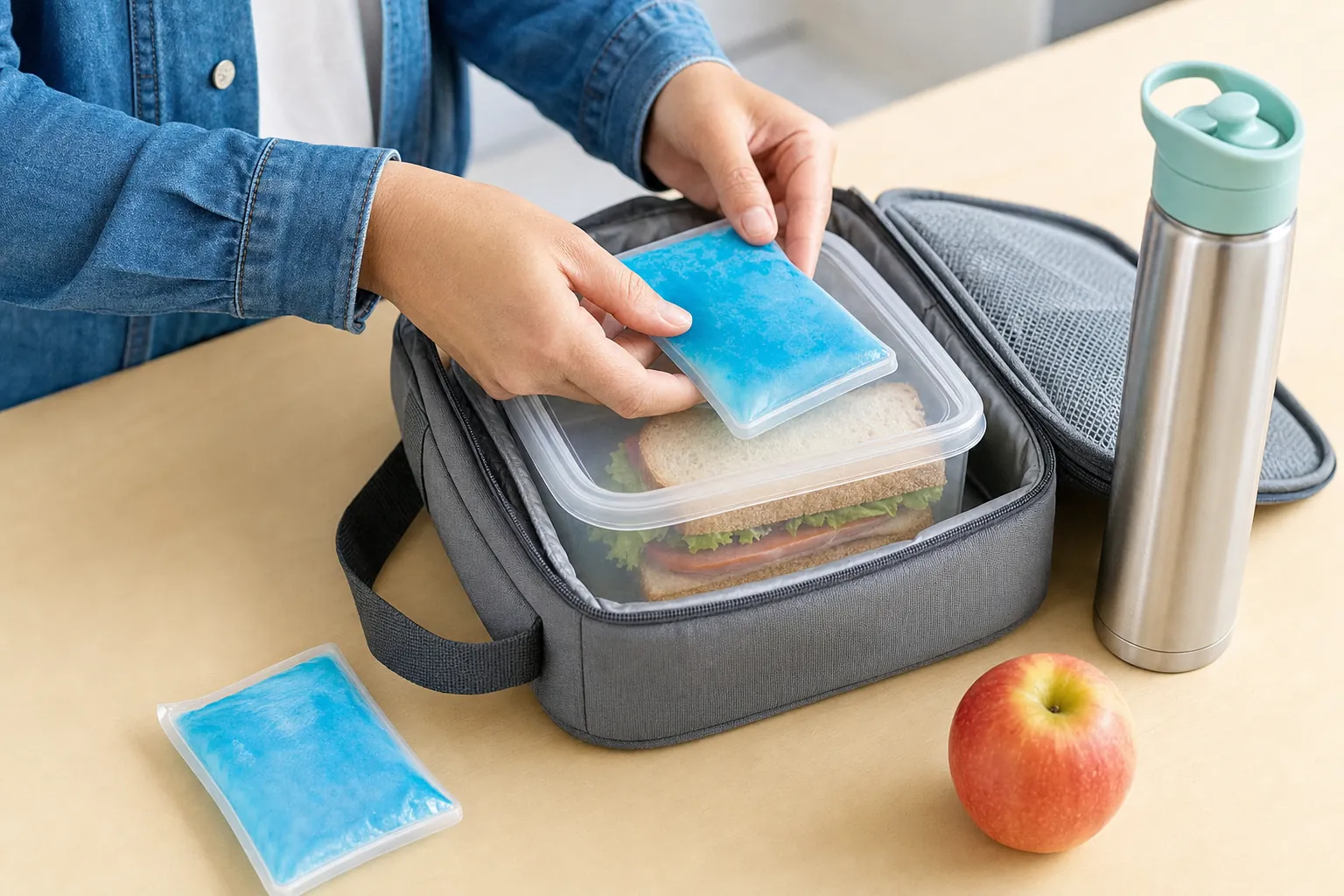
Ask the destination about allergies, handwashing, food handling, group boundaries, and whether children can touch or taste anything. If the outing includes a snack or lunch, coordinate that detail early with the program and families. The field trip packing checklist can help schools decide what children should bring and what is better left at home.
5. Make everyday math visible at a local business
A grocery store, bakery, flower shop, hardware store, or other small business can help young children notice sorting, counting, weighing, measuring, and taking turns. Ask the host to show one simple activity, such as weighing ingredients or grouping products by size. A picture list with three things to spot is often enough structure for preschoolers.
Active businesses have customers, deliveries, and safety requirements, so keep the group small enough to stay together and out of work areas. Explain the routine to children in advance: hold hands or stay with the assigned adult, look with eyes before touching, and stop at the meeting point when asked. A short, well-supported visit is more memorable than trying to see the whole operation.
6. Visit a children’s museum or hands-on program
Children’s museums and early-learning programs work well when the class has room to touch, build, test, and talk. Find out whether the venue offers a preschool program, timed entry, quiet area, bus instructions, lunch space, or a suggested visit length. Choose one or two exhibits connected to the classroom question rather than trying to move through every gallery.
Before the trip, show children a few pictures of the place and explain the sequence: bus, arrival, activity, snack or lunch, bus, school. The NAEYC’s field-trip planning cycle recommends preparation, the experience itself, and a follow-up stage. For preschoolers, that follow-up might be a conversation circle, block play, a class book, or a painting based on what they noticed.
7. Learn about animals with a focused visit
A small farm, animal shelter, wildlife center, aquarium program, or nature preserve can support questions about animal needs, habitats, movement, and care. Choose a destination that can host young children safely and avoid turning the day into a race to see every animal. One animal group, one demonstration, or one habitat can give preschoolers enough to discuss afterward.
Ask about walking distance, shaded areas, noise, restrooms, food rules, and the plan if a child needs a quiet break. Adults should know where to meet, who is responsible for each small group, and how attendance will be checked during every transition. The site’s field trip chaperone checklist is a helpful companion when assigning those roles.
8. Turn a nearby place into a meaningful outing
A school neighborhood can offer some of the best preschool field trip ideas. A walk to a park, garden, mural, library, mailbox, or nearby business gives children a new way to see their everyday world. Nearby trips can be easier to repeat in another season, easier for families to understand, and more realistic for a short school day.
That does not mean the plan can be casual. Confirm the route, crossing points, adult positions, child identification, weather plan, accessibility needs, and return time. A preschool group benefits from one clear routine repeated often: stop, count, move together, and stop again. Use the field trip planning checklist to bring those details into one school-approved plan.
A simple preschool field trip rhythm
Young children do better when the day has a rhythm they can understand. Before the trip, tell them what will happen in a few short steps and repeat the same language during the day. A picture schedule can be useful, but adults should also say the next step out loud: “First we count. Then we walk to the bus. Then we sit with our group.” The purpose is not to make every child follow a script perfectly. It is to make the day less mysterious, especially for children who find new places, noise, or changes in routine challenging.
Start with a familiar arrival: gather in the normal classroom or meeting place, use the program’s attendance process, and introduce the adults who will be with each group. Children should know which adult to find if they need help.
Make loading unhurried: preschoolers may need extra time for coats, backpacks, bathroom breaks, or a last reassuring conversation with a teacher. Build that time into the plan. Rushing at the curb makes it harder for adults to count carefully and harder for children to listen.
Keep the destination focused: arrive, visit the one planned activity, have the scheduled break, and regroup. A preschool class does not need a packed itinerary to have a rich experience. A child who can retell one moment clearly has gained more than a child hurried through five stops.
Use the same count at every change: follow the program’s required method before departure, at arrival, before leaving the destination, and when returning. The count should belong to the adults, not to a child’s memory or a quick visual guess.
Close the loop back at school: when children return, give them a chance to name what they saw, make a drawing, act out a job, or add an item to a class display. That short reflection turns the outing into part of the curriculum instead of a day set apart from it.
Choose one experience, then plan the transitions
When comparing preschool field trip ideas, start with the question children are already exploring. What can they see or do there that is difficult to recreate in the classroom? Then consider the practical fit: Does the destination welcome preschool groups? Can adults keep the group together? Is the travel time reasonable? Are there restrooms, shade, accessible routes, and a clear bus or car arrival plan?
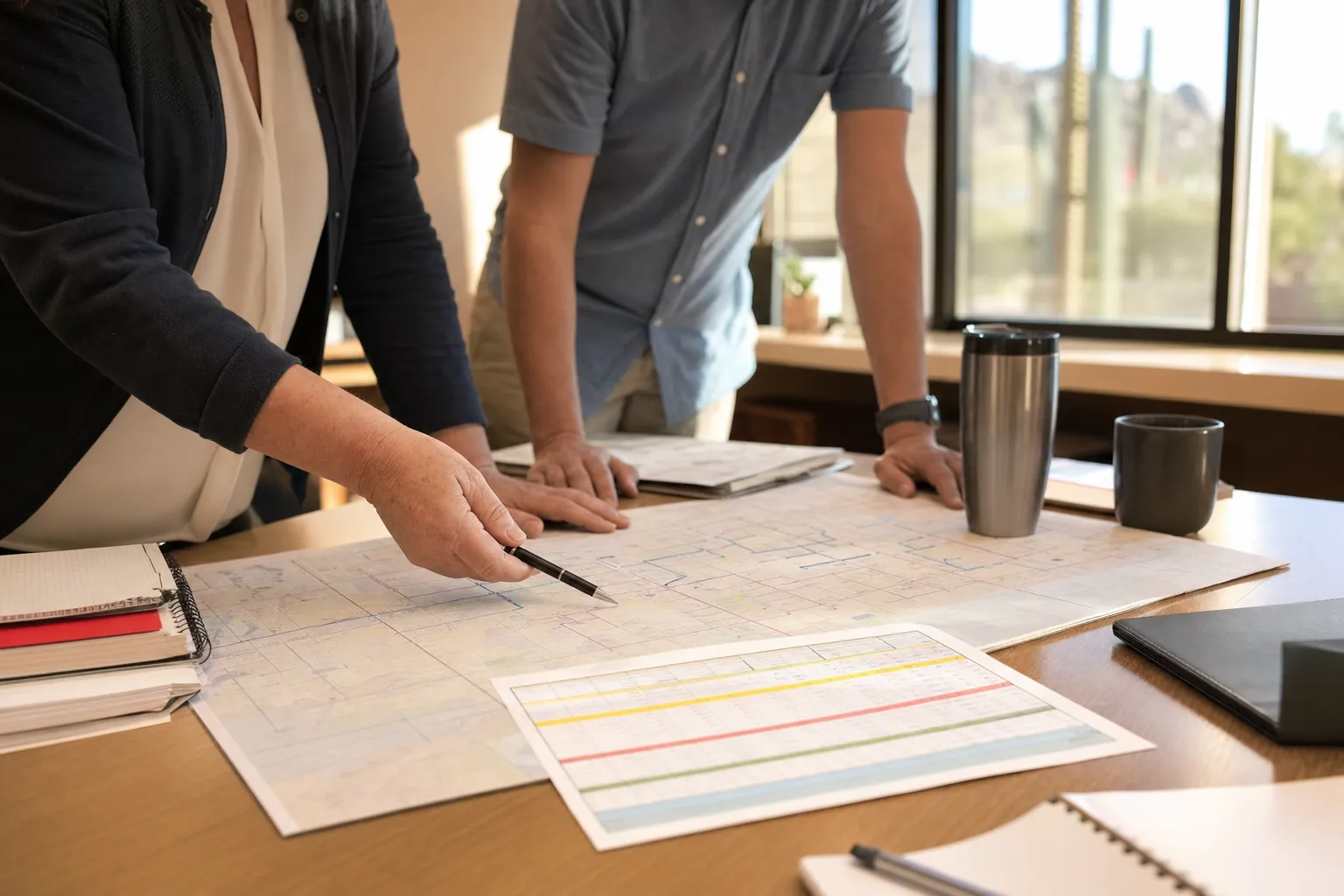
Write the day in the order children will experience it, not only in the order adults need to book it. Arrival, attendance, loading, travel, bathroom breaks, the activity, food, regrouping, return travel, and the handoff back at school all deserve a few calm minutes. The field trip itinerary template helps staff organize those handoffs before the day arrives.
For bus travel, use the school’s own expectations for student supervision, boarding, seating, aisles, and emergency information. The National Highway Traffic Safety Administration’s school bus safety guidance can support that conversation, alongside the school’s established procedures.
How Phoenix Suburban Transportation helps school teams get there
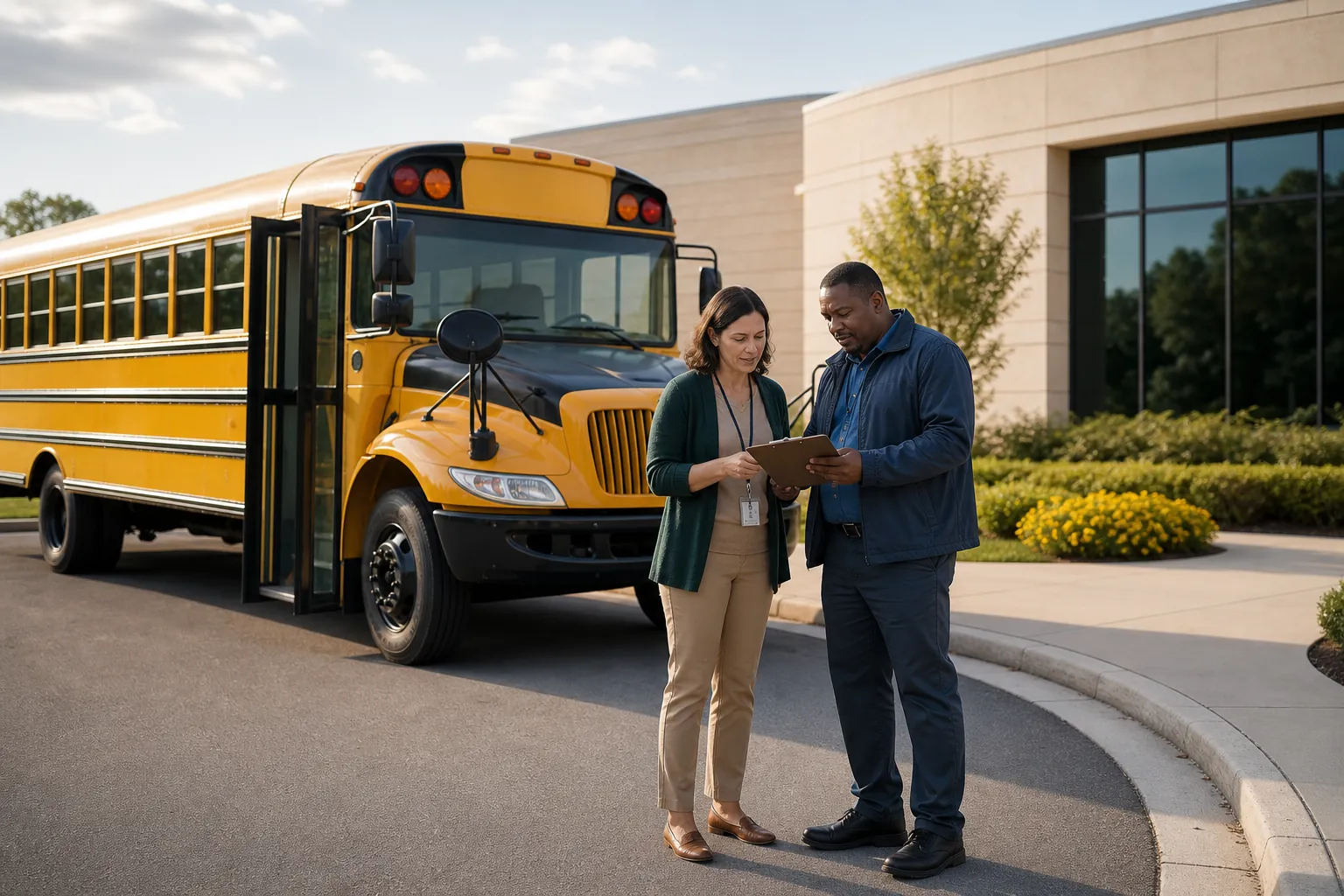
Once a preschool team has chosen a destination and confirmed the school’s internal plan, transportation should make the day easier to run. Phoenix Suburban Transportation helps schools talk through the practical details early: the pickup location, number of children and adults, timing, destination access, loading routine, trip contact, and return plan. Sharing those details before the day is in motion gives everyone a clearer starting point.
For an outing that includes a bus, start with the destination’s confirmed arrival window and the group’s actual needs, then use the field trip transportation checklist to organize the conversation. When the plan is ready, request information from Phoenix Suburban Transportation and include the basics your team already knows.
Planning a preschool outing
Give the travel plan a calm, clear start.
Phoenix Suburban Transportation helps Phoenix-area schools coordinate field trips around student counts, pickup details, timing, destination access, and the return to campus.
Frequently asked questions
A good preschool field trip has one clear experience, a manageable pace, familiar adult routines, and enough time for arrival, bathroom breaks, snacks, and a calm return. Choose a place where children can see, touch, hear, or ask about something connected to their classroom learning.
A public library, neighborhood park, community garden, fire station, grocery store, post office, farm, or nearby walk can be a strong low-cost choice. Call ahead to confirm group size, visit length, restroom access, adult expectations, and whether the destination can host preschool-aged children.
The right length depends on the children, travel time, activity, meals, restrooms, weather, and the program’s own schedule. For many preschool groups, a shorter visit with one main purpose is more successful than a full, tightly packed day.
Before the trip, confirm the learning purpose, destination plan, adult assignments, child counts, family information, transportation details, food and restroom plan, accessibility needs, and the return routine. Follow the program’s own policies for supervision, emergency information, and medication.
Related posts
Field Trip Planning Checklist for Schools
Use this school field trip planning checklist to confirm approvals, destination details, adult roles, transportation, and family communication before the day of the trip.
Read the guide →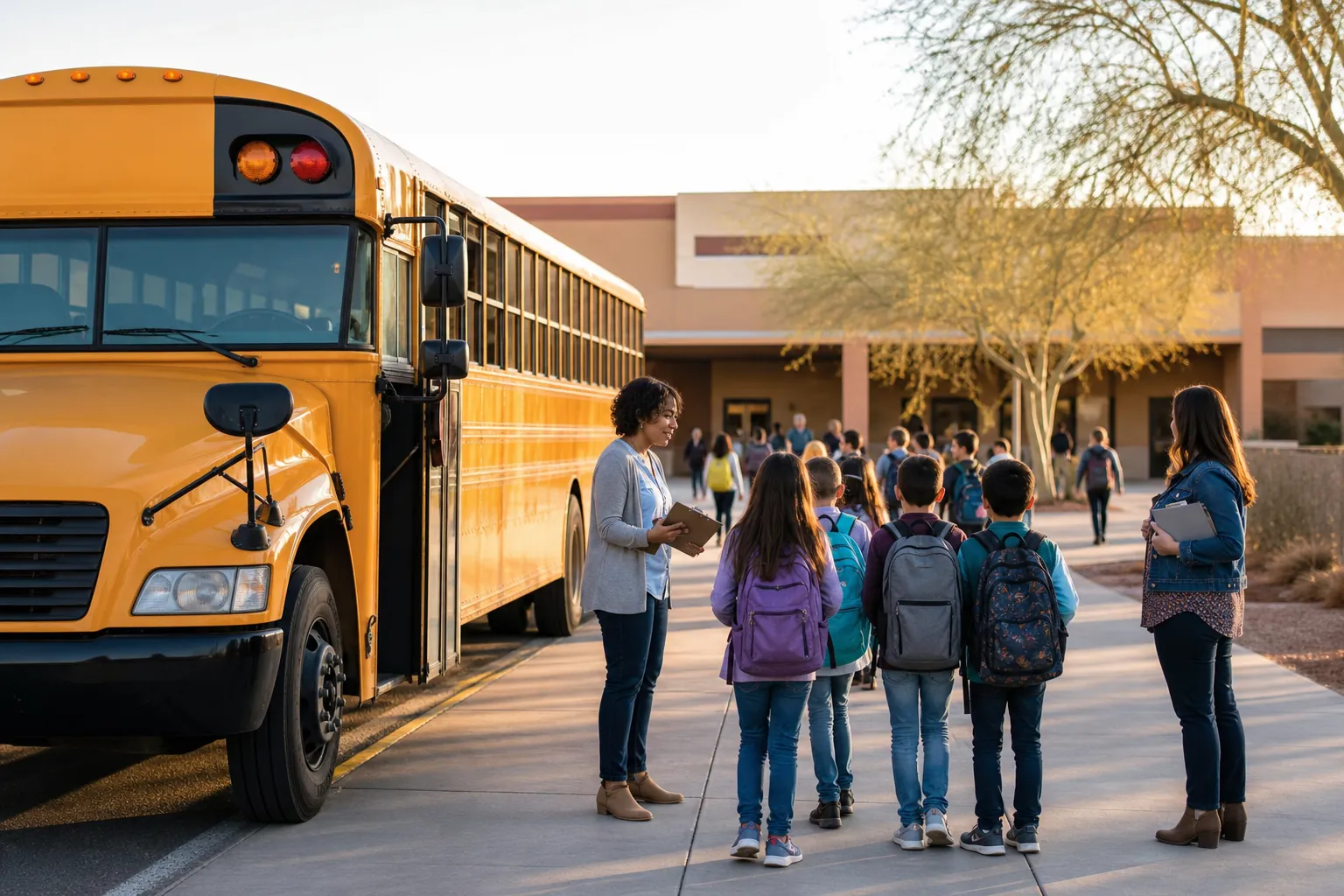
Field Trip Transportation: A School Planning Checklist
A practical checklist for schools coordinating safe, organized transportation for an educational outing.
Read the guide →
Field Trip Itinerary Template for Schools
Copy this school field trip itinerary template to organize departure times, contacts, transportation, meals, student counts, and return plans.
Read the guide →