
Field trip planning
Field Trip Planning Checklist for Schools.
A practical field trip planning checklist for school staff coordinating approvals, destination details, adult roles, transportation, and family communication.

A well-planned field trip gives students a chance to learn somewhere new without asking teachers, families, chaperones, and drivers to solve avoidable problems on the day. The strongest plan is not a long packet. It is a clear set of decisions made early, then confirmed in one working plan that tells every adult what happens next.
1. Start with the purpose and the school's approval process
Begin with why the trip belongs on the calendar. Name the learning activity, the grade or program involved, the destination, and the dates that could work. That basic snapshot makes the rest of the plan easier to judge. A museum program, campus visit, performance, athletic event, outdoor learning day, or community activity may each involve different arrival requirements, adult coverage, meals, equipment, and travel time.
Before making commitments, follow the school's established approval process. Confirm who needs to approve the trip, what budget or payment steps apply, whether there are district or program requirements, and which student-support or health procedures need to be included. A general checklist cannot replace the rules that protect a specific school community. It can help staff make sure those rules are brought into the plan early enough to use them well.
Write down the details that cannot move: the destination's required arrival window, a scheduled program time, accessible entry needs, a ticket deadline, or the school day constraints around departure and return. Then separate those from preferences, such as a lunch location or optional stop. That distinction helps the trip lead make calm decisions when a detail changes later.
It also helps to set a planning deadline before the trip becomes urgent. Give the team a date for confirming the venue, transportation request, adult coverage, family notice, and final passenger count. These are not artificial milestones. They protect teachers from having to chase basic answers while they are also preparing students for the learning activity.
2. Confirm the destination before building the schedule
A destination address is only the starting point. Contact the venue or host and ask what a school group actually needs to know: group arrival process, bus entrance, unloading area, check-in location, bag policy, lunch options, restroom access, outdoor walking distance, and the point of contact for a day-of question. Those practical details are often what turn a simple-looking outing into a rushed arrival.
Build the schedule around the destination's required arrival time, not only the time printed on a program or ticket. Include time for students to gather, take attendance, load lunches or materials, board, travel, unload, walk in, and check in. The return needs the same care. A venue's event end time is not necessarily when a school group is ready to reach the bus and leave.
Use the field trip itinerary template to put the confirmed timing, contacts, locations, and transitions in one place. The practical goal is simple: an adult stepping in at any point should be able to see the next time, location, and responsible person without sorting through a thread of messages.
When the venue offers a school-group guide, share the relevant points with the adults who need them rather than assuming everyone saw the original email. A teacher may need to know where students eat. A chaperone may need the meeting location. The transportation contact may need a different entrance than the family-facing address. One plan works best when it turns those scattered details into clear instructions for the people using them.
3. Build the transportation plan around the real group
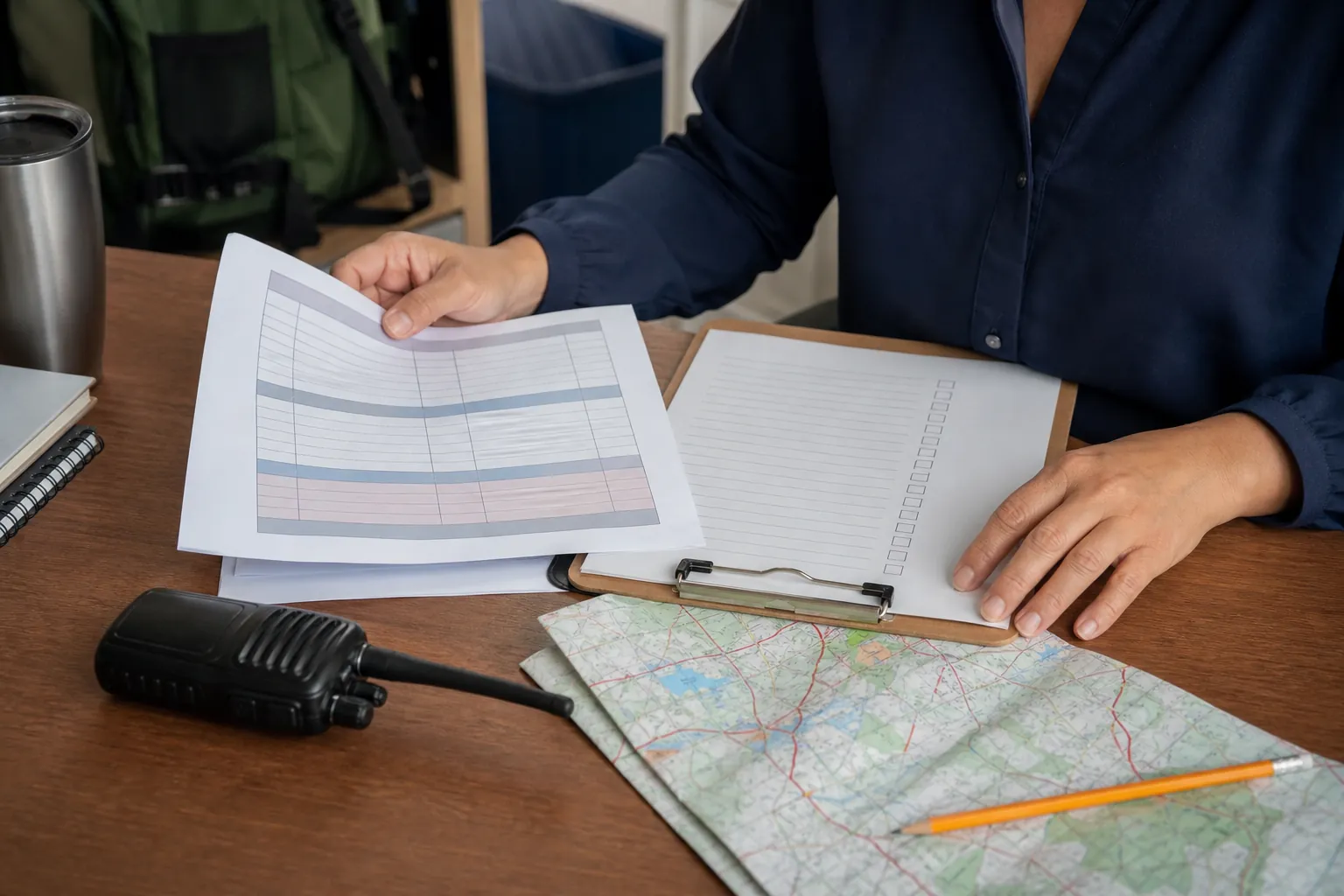
Confirm the expected number of students, teachers, chaperones, and other adults before the transportation plan is finalized. Note the age group, equipment, mobility needs, and any details the school is responsible for communicating through its approved process. A rough early count is useful for budgeting, but a final operational plan needs the clearest available number.
Share the complete trip picture with the transportation contact: date, pickup location, destination, requested arrival and return windows, passenger count, school lead, destination access instructions, and changes that could affect loading or departure. The field trip transportation checklist walks through these details in more depth, including how to plan the day around real travel and transition time.
The National Highway Traffic Safety Administration's school bus safety guidance explains the protective systems built into school buses. Schools can support a safe, orderly ride by using their own boarding and supervision procedures, keeping aisles clear, and making sure students know who to ask when they need help.
Do not wait until the day before to confirm a bus entrance, parking instruction, or return pickup location. These details can change the timing of the entire group. One short confirmation with the destination and transportation contact is usually far more useful than a long list of assumptions.
4. Assign adult roles before permission forms go home
Every successful field trip has a lead adult who can coordinate decisions, but the lead should not be the only person who knows the plan. Name who is responsible for attendance counts, student groups, medication or health procedures handled by the school, supplies, transportation communication, family updates, and the return handoff. The assignments do not need to be complicated. They need to be clear enough that adults know where to take a concern.
Chaperones should receive the information that supports their assigned students: schedule, meeting points, group roster according to school procedure, expected supervision role, and the school lead's contact method. They do not need every internal operational detail. The field trip chaperone checklist helps schools brief adults on practical responsibilities without asking volunteers to manage the whole trip.
Keep private student information within the school's approved process. When a student needs additional support, the right staff should have the relevant plan before departure. No one should be discovering essential information at the curb while the group is trying to board.
Give adults a simple regrouping routine as well. Identify the location, the attendance process, and the person who gives the instruction to move. Large venues, restrooms, lunch areas, and gift shops can pull a group in several directions quickly. A familiar routine at each major transition is easier for students to follow than a new set of directions every time the group stops.

5. Give families the information they can use
Family communication should prepare students and reduce last-minute questions. Send the school-approved permission materials, destination basics, departure and return window, meal or packing expectations, cost information when relevant, and the deadline for forms. Keep the message focused on what the family needs to do, not every detail of the staff operating plan.
A return window is often more useful than an exact minute. Traffic, venue release timing, student counts, and loading can all change the final part of the day. Families need to know when to expect their student and where to look for an update if something shifts. They do not need a promise that the school cannot control.
Review the field trip permission slip guide before the notice goes out. It helps staff make sure the family message covers the practical essentials, while the trip team keeps staff-only details in the itinerary and trip brief.
Keep the notice easy to scan. A family should be able to find the date, destination, deadline, what to bring, and return window without rereading several paragraphs. Clear instructions are more likely to come back completed and on time, which gives the school a more reliable count and fewer loose ends before departure.
6. Prepare students for the experience, not just the ride
Students usually need a short, age-appropriate explanation of what the day will look like: when they leave, what they bring, who their adult is, where they meet, how they move between locations, and how they return. The message should be simple enough to remember once students are excited about being out of the classroom.
For the ride, use the school's expectations around waiting, boarding, seats, aisles, and listening to the driver and staff. The NHTSA's school bus regulations guidance includes school-related events in pupil transportation. A quick refresher before departure helps adults and students start the travel portion of the day with the same expectations.
Make packing directions specific to the destination and weather. The site's field trip packing checklist can help families focus on useful basics rather than sending students with a heavy bag of extras that are hard to manage during transitions.
7. Run a short day-before confirmation
The day before the trip, confirm the details most likely to have changed: final student and adult count, weather, school departure point, destination access, transportation contact, adult assignments, meals, required materials, and the family update channel. Keep the final plan short enough that people will actually use it.
Ask one practical question: if the trip lead were delayed or busy supervising students, could another approved adult find the key information quickly? If the answer is no, simplify the plan. The document should point people to the trip lead and the school's established procedures, not bury them under unnecessary notes.
In the Phoenix area, include a quick weather check in that confirmation. Heat can change how long a group can comfortably wait at the curb or walk between the bus and a destination. Confirm water access, shade, outdoor time, and the school's approved preparation guidance. The Centers for Disease Control and Prevention's heat health guidance recommends planning ahead for hot conditions, which is especially relevant when students and adults will be outside during arrival or dismissal.
8. Use this final field trip planning checklist
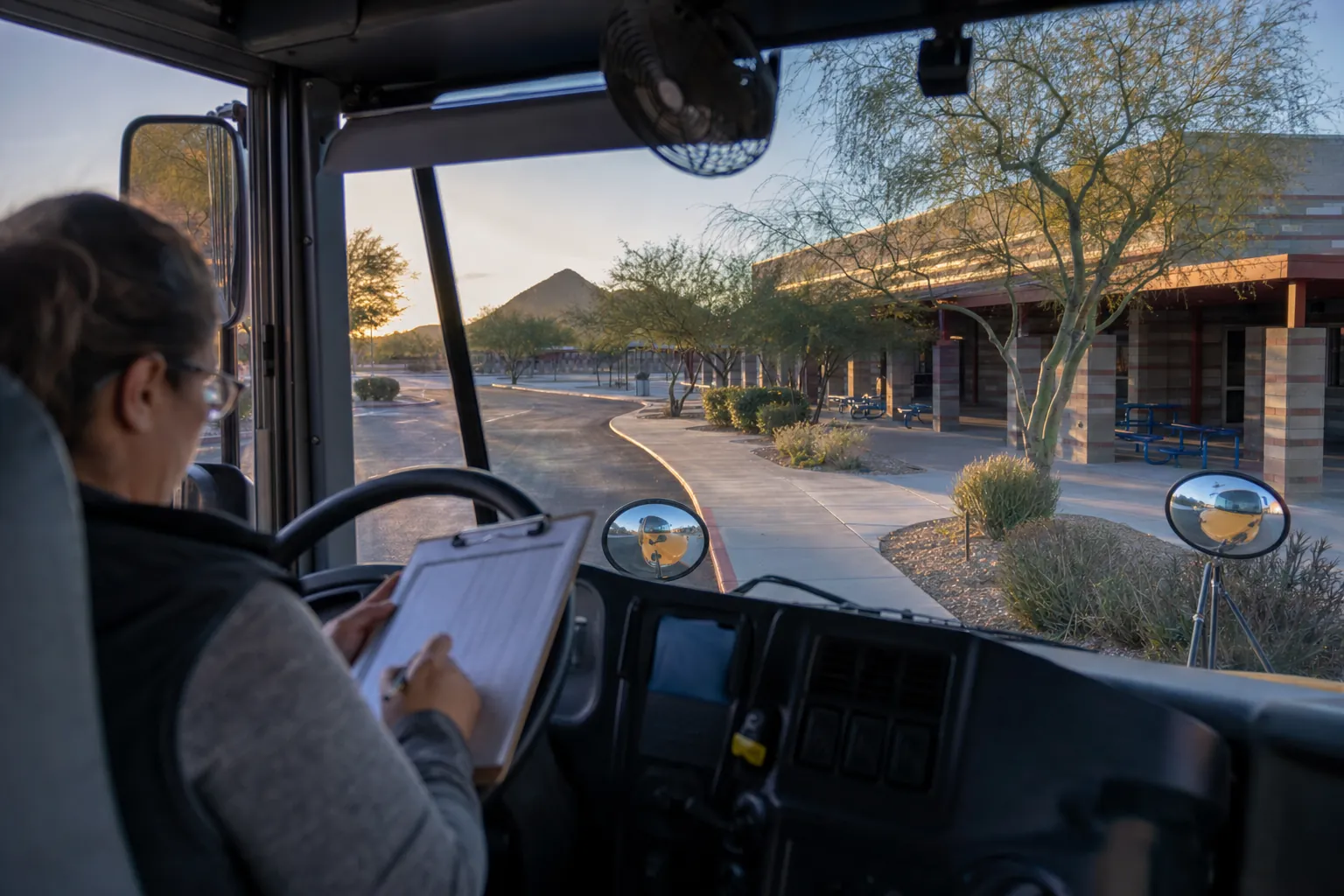
- Purpose and approval: confirm the learning goal, school approval steps, budget or payment requirements, and dates that work.
- Destination: confirm address, arrival requirement, group check-in, bus access, meal plan, walking distance, and day-of contact.
- Schedule: account for gathering, attendance, boarding, travel, unloading, entry, program timing, regrouping, and return.
- Transportation: share the date, group size, pickup, destination, timing, school lead, and access details with the transportation contact.
- Adult roles: name the trip lead, backup contact, teachers, chaperones, count routine, and school-approved process for student needs.
- Family notice: send permission information, preparation details, deadlines, departure and return window, and the update channel.
- Student preparation: give students a short, clear briefing about the schedule, group expectations, packing, and travel routine.
- Day-before check: verify counts, weather, access, contacts, adult assignments, and the current return plan.
The checklist is meant to make the important questions visible early, not add paperwork. When the details are clear before students leave campus, teachers can spend more of the day focused on the learning experience and less of it solving preventable logistics.
Bring transportation into the plan early
Phoenix Suburban Transportation helps Phoenix-area schools coordinate field trips, educational outings, athletics, and custom transportation needs. Sharing the date, group size, schedule, pickup conditions, destination access, and return plan early gives the transportation conversation a stronger start and helps school staff keep their attention on students.
Planning a school outing
Turn the trip details into a workable transportation plan.
Phoenix Suburban Transportation helps schools coordinate field trips, educational outings, athletics, and custom transportation needs.
Frequently asked questions
A practical checklist should cover the learning purpose, school approval steps, destination requirements, student and adult counts, transportation plan, family communication, supervision assignments, health and accessibility procedures, and the return-to-campus plan. The school should add its own policies and student-support requirements.
Begin when the date and destination are being considered. Early planning gives staff time to confirm approval steps, venue availability, transportation, adult coverage, family paperwork, payment or meal details, and the operational information that often changes near departure.
The trip lead, school leaders, teachers, chaperones, and transportation contact need the parts of the plan that affect their responsibilities. Families should receive a simpler, school-approved notice focused on student preparation, permission requirements, departure and return windows, and the communication channel for updates.
Adults need one current plan they can scan quickly. It should identify the trip lead, student and adult counts, meeting points, timing, transportation contact, destination access instructions, and the school process for handling a change or concern.
Related posts

Field Trip Itinerary Template for Schools
A practical field trip itinerary template that helps school staff organize timing, contacts, transportation, and the return plan.
Read the template →
Field Trip Safety Checklist for Schools
A practical field trip safety checklist for school staff, from trip preparation and boarding to supervision, communication, and the return to campus.
Read the checklist →
Field Trip Chaperone Checklist: 10 Essentials
A practical checklist for school chaperones who need to keep students accounted for, informed, and together throughout a field trip.
Read the checklist →