
Field trip planning
Field Trip Safety Checklist for Schools.
A practical field trip safety checklist for school staff, from trip preparation and boarding to supervision, communication, and the return to campus.
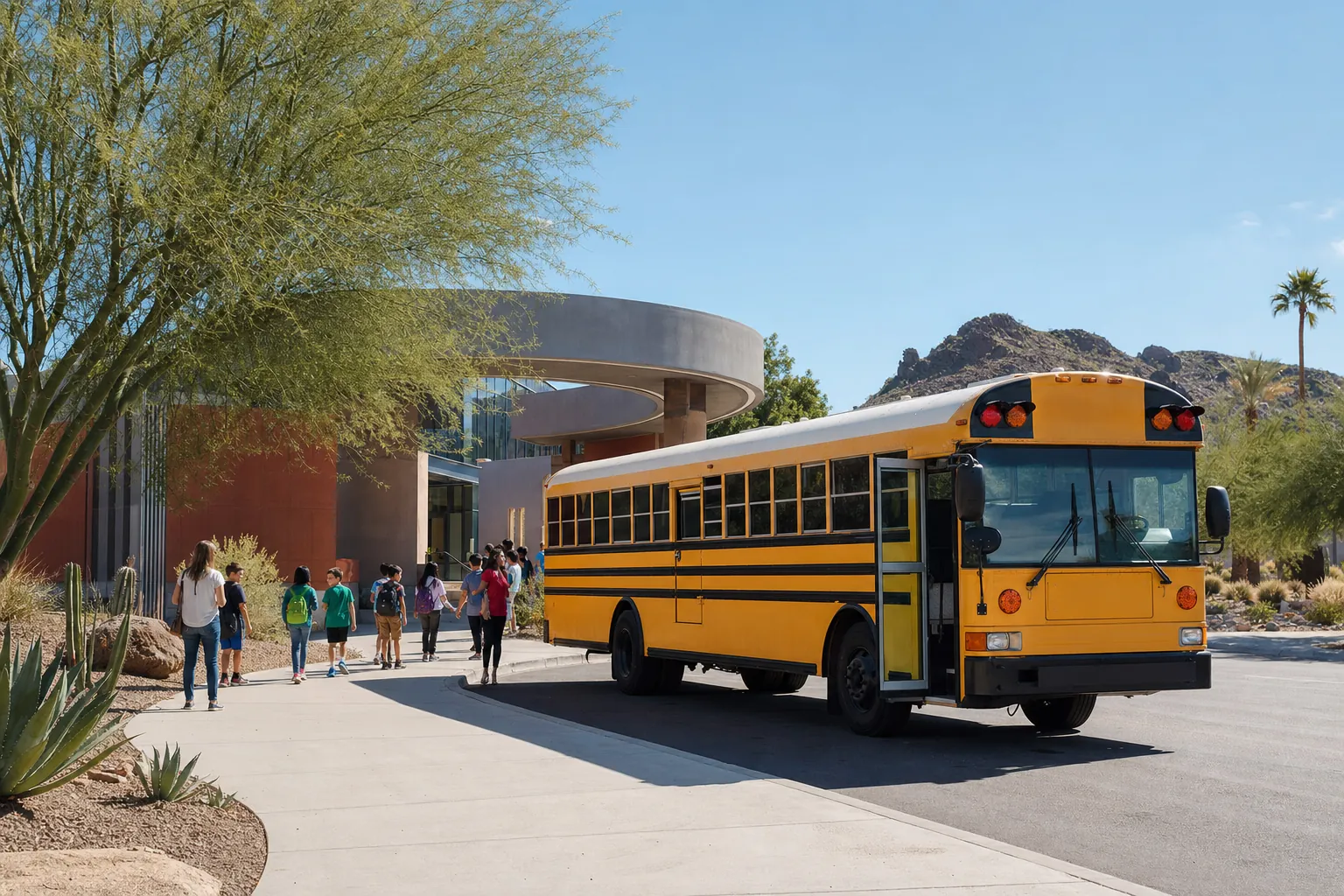
Field trip safety is not one task checked off the morning students leave campus. It is the practical plan that helps adults keep the group together, share the right information, and respond calmly when the day shifts. This checklist helps school staff organize the parts of a trip that deserve attention before boarding, at the destination, and on the return home.
Start with the school's own procedures
Every school has its own rules for student supervision, health information, emergency response, behavior, release, and family communication. Start there. A field trip checklist should support the process the school has approved, not replace it with a generic plan.
At the beginning of planning, identify the trip lead and the adults responsible for each group or transition. Confirm who can make decisions if timing, destination access, weather, or a student need changes. One clear decision-maker does not mean one person handles everything. It means teachers, chaperones, and transportation contacts know where to take a concern instead of making competing changes in the moment.
Use the school's field trip itinerary as the shared operational record. It should show the date, destination, school lead, transportation contacts, passenger count, schedule, pickup location, and return plan. A good safety plan is easier to use when the essential facts live in one current document.
Confirm the trip details before the day gets busy
Safety starts with the details that make the day predictable. Confirm the destination address, arrival requirement, visitor procedures, school pickup location, expected return window, adult count, student count, and transportation plan. Build the schedule around the destination's required arrival time, not only the activity's listed start time. Groups may need time to unload, walk in, check in, and get settled before a program begins.
Ask the destination about the practical issues that can affect the group. Is there a specific bus entrance or staging area? Are bags checked? Will the class be split into timed sessions? Is there a designated lunch area or a long outdoor walk from the vehicle? Those answers shape the adults' supervision plan and the time the group needs at each transition.
Keep the final trip brief short enough to scan. A long document is not safer if staff cannot find the next time, place, or contact while they are supervising students. The companion field trip transportation checklist can help the school collect the information that belongs in that brief before it is shared.

Plan boarding, unloading, and student counts
Most field trip confusion happens while the group is moving from one place to another. Before departure, identify where students wait, who begins the count, when the group boards, and which adults are responsible for the front and back of the line. Give students a simple instruction they can follow: stay with the assigned group, wait for the adult's direction, and do not move toward the vehicle early.
Use the school's attendance process at each major transition. A reliable pattern is to check students before leaving campus, after arrival, before leaving the destination, and once the group returns. The goal is not to create unnecessary roll calls. It is to make sure adults use the same routine when students are most likely to be distracted by a new space, friends, restrooms, bags, or the next activity.
The National Highway Traffic Safety Administration's school bus safety guidance explains the protective systems built into school buses. Schools can support safe travel with a clear, age-appropriate reminder about where to wait, staying seated, keeping aisles clear, listening to the driver and school staff, and knowing how the group will exit at the destination.
Give adults clear roles and clear information
Adults need different information depending on their job. The trip lead needs the full itinerary, a backup contact, the transportation contact, and authority to coordinate changes. Teachers and chaperones need the schedule, their assigned students, meeting points, and the school's procedure for reporting a concern. Transportation needs the date, passenger count, pickup and return details, destination access, and any relevant equipment or accessibility information.
Do not distribute sensitive student information more widely than the school's process allows. A chaperone may need to know that a student needs extra transition support, but they do not need access to private details that should stay with the appropriate school staff. When a need arises, use the school's approved communication path and keep the remaining students supervised.
The field trip chaperone checklist gives volunteer and staff chaperones a useful companion plan. It covers the day-to-day responsibilities that help an assigned group stay together without asking a chaperone to take over the trip lead's role.
Prepare for weather, water, and the destination
Conditions at the destination matter as much as the ride there. In the Phoenix area, heat can change the pace of an outdoor walk, curbside wait, or long line. Check the forecast in the days before departure, then make sure the plan accounts for water, shade, sunscreen or clothing expectations when the school allows them, and a place for students to wait if conditions change.
The Centers for Disease Control and Prevention's heat health guidance recommends planning ahead for hot conditions. For a school outing, that can mean checking which parts of the day are outdoors, confirming whether the destination has water access, and giving adults a clear way to report a student who is not feeling well. Follow the school's established health procedures for any support a student needs.
Also plan for ordinary practical needs. Students should know what to bring, where lunch is handled, whether there are restricted items, and what happens to backpacks or equipment during the program. The field trip packing checklist can help families match their preparation to the actual trip rather than guessing from a generic list.
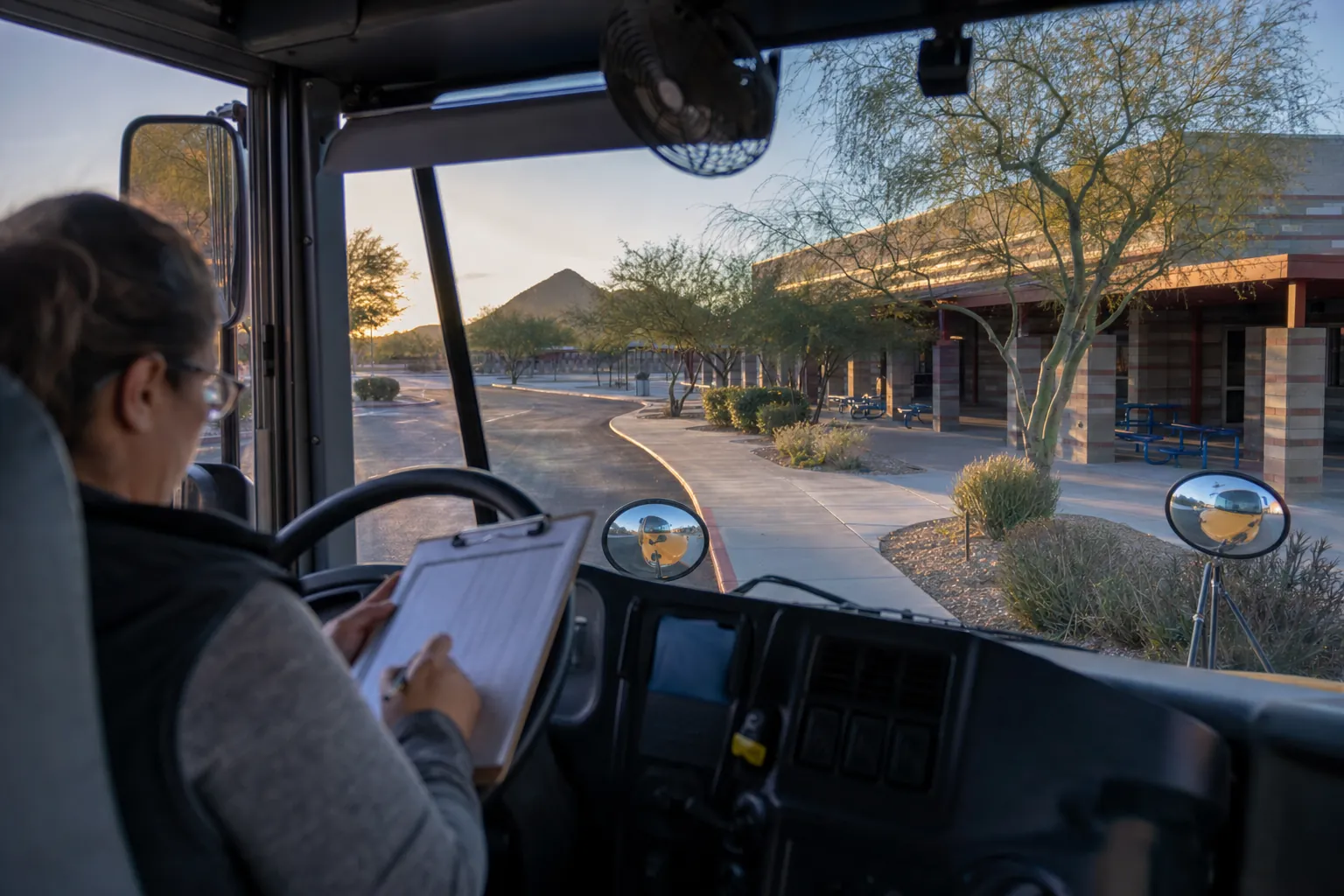
Keep family communication focused and accurate
Families need the information that helps them prepare their student and understand the school's plan: destination basics, departure and return window, permission requirements, meal and packing expectations, and the school's approved channel for updates. They do not need internal loading instructions, a driver contact, or an operations document meant for staff.
Use a return window when conditions can change. Traffic, destination release times, student counts, and boarding all affect the exact minute a group returns. A clear window lets families plan without the school making a promise it cannot control. The field trip permission slip guide covers the details that help families act before the trip while keeping staff-only planning separate.
If a delay or change occurs on the day, the school lead should use the communication method the school has already chosen. Consistent messages build trust. A stream of conflicting updates does the opposite, especially when families are waiting for students to return.
Use a simple response plan for changes
A helpful safety plan names what happens when the schedule is no longer exact. Traffic may delay arrival. A venue may direct the bus to another entrance. A program may run long. A student may need more time, or weather may change where the group waits. The adults do not need a script for every possibility. They need a reliable way to pause, protect the group, report what changed, and get the next decision from the right person.
Keep students together in the safe waiting area the trip lead identifies. Give teachers and chaperones a short instruction they can repeat. Contact the transportation partner promptly if the change affects departure, pickup location, passenger count, or the return plan. The National Highway Traffic Safety Administration's school bus regulations guidance includes school-related events in pupil transportation, reinforcing why clear adult communication matters before and during the trip.
At the end of the outing, use the same routine in reverse. Regroup at the designated meeting point, account for students, confirm the loading plan, and follow the school's return-to-campus and release procedures. The return is often when students and adults are tired, so it deserves the same preparation as the first departure.
Use this field trip safety checklist
- School process: confirm the school's supervision, health, emergency, behavior, and family-communication procedures.
- Trip basics: confirm the destination, arrival requirement, schedule, adult roles, student count, and transportation contacts.
- Transitions: identify waiting areas, loading points, meeting locations, and the school's count routine.
- Adult roles: name the trip lead, backup contact, teachers, chaperones, and the communication path for changes.
- Student preparation: give a short briefing about the group, boarding, vehicle expectations, and the next meeting point.
- Destination conditions: check access, meals, water, weather, outdoor time, equipment, and any school-managed support needs.
- Family message: send the approved trip details, return window, preparation list, and update channel.
- Return plan: confirm departure from the destination, student count, school arrival, and handoff routine.
Review the list once from the perspective of a chaperone seeing it for the first time. Can they identify their students, next location, meeting point, and trip lead without searching through messages? If not, simplify the part that is unclear. A calm, usable plan is more valuable than a long document that no one can use in motion.
Bring transportation into the plan early
Phoenix Suburban Transportation helps Phoenix-area schools coordinate field trips, educational outings, athletics, and custom transportation needs. Sharing the trip date, group size, schedule, pickup conditions, destination access, and return plan early gives the transportation conversation a stronger start and helps school staff keep their attention on students.
Planning a school outing
Build the trip around a clear, workable plan.
Phoenix Suburban Transportation helps schools coordinate field trips, educational outings, athletics, and custom transportation needs.
Frequently asked questions
A useful field trip safety checklist covers the destination and schedule, student and adult counts, transportation details, school-approved supervision procedures, emergency contacts, weather preparation, the plan for boarding and unloading, and the return-to-campus routine. The school should add any policies or student-support steps that apply to its own group.
Review the main details when the trip is being planned, confirm the final information in the days before departure, and give staff a short refresher before students board. Passenger counts, pickup locations, destination access, weather, and contact information can change, so the day-of plan should be current and easy to find.
Assign clear adult roles, use the school's attendance process at every major transition, name a recognizable meeting point, and make one person responsible for trip-wide decisions and transportation communication. Students should know who their adult is, where to wait, and what to do if they cannot find the group.
Keep the briefing short and age-appropriate. Students should know where to wait, when to board, how to keep aisles clear, what the school expects while the vehicle is moving, who to ask for help, and how the group will exit at the destination. Follow the school's established procedures and the driver's directions.
Related posts
Field Trip Transportation: A School Planning Checklist
A practical checklist for schools coordinating safe, organized transportation for an educational outing.
Read the checklist →
Field Trip Itinerary Template for Schools
A practical field trip itinerary template that helps school staff organize timing, contacts, transportation, and the return plan.
Read the template →
Field Trip Chaperone Checklist: 10 Essentials
A practical checklist for school chaperones who need to keep students accounted for, informed, and together throughout a field trip.
Read the checklist →