
Daily school routes
Coordinate recurring student travel around arrival, dismissal, pickup areas, school contacts, and the calendar changes that shape the school day.
Phoenix and surrounding areas
Bring daily routes, student activities, field trips, and changing schedules into one practical transportation conversation.
Local leadership. Clear coordination. A plan shaped around your students.

School transportation services
School transportation is part of the rhythm of the day. It affects when students arrive, how staff manage handoffs, and whether an activity or opportunity is within reach.
Phoenix Suburban Transportation works with Phoenix-area schools and programs that need a thoughtful starting point for student travel. Some teams are planning daily service. Others are coordinating a field trip, a tournament, a recurring enrichment program, or a schedule that changes throughout the year. Each need has its own timing, people, locations, and practical details.
A useful transportation conversation begins before every detail is final. Your school may already know the days of service, the students involved, the campus, the destination, and the person who can make decisions. Sharing that foundation helps turn a broad request into a plan that reflects the real day in front of your team.
Phoenix Suburban Transportation brings Arizona-based leadership with more than 20 years of student transportation experience. The focus is straightforward: listen to the need, understand the operating conditions, and help your team build from clear information rather than assumptions.
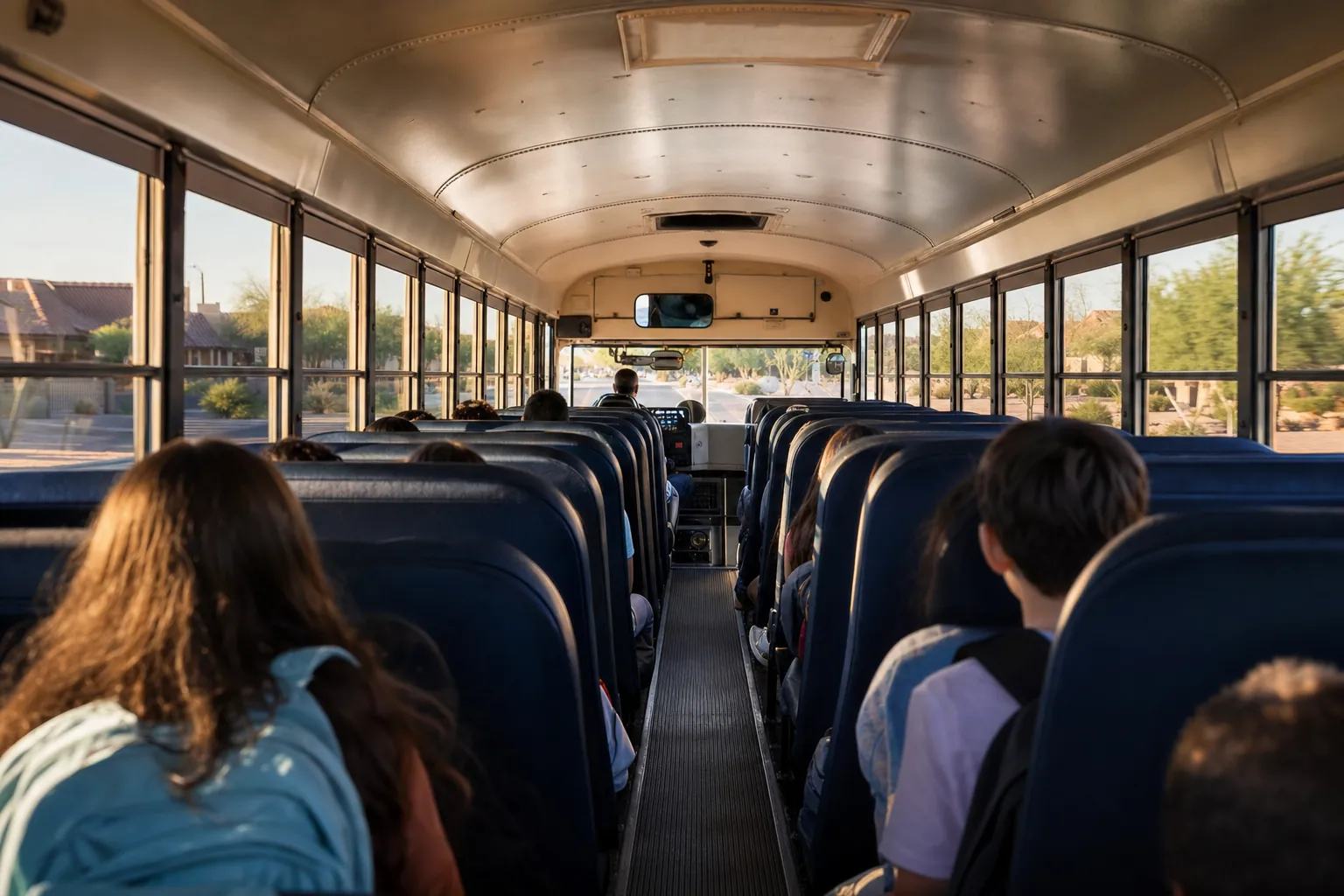
A plan for the regular day
Arrival windows, dismissal routines, campus access, student counts, family expectations, and staff responsibilities all shape a daily route. The best place to begin is with your normal rhythm, then identify the exceptions your team already knows are coming.
For schools planning recurring service, it helps to name the regular schedule as well as early releases, testing days, holidays, activity weeks, and the school contact who can confirm a change. That gives everyone a more useful shared picture from the start.
Explore daily student transportationTransportation that supports the full school experience
Every service starts with a different set of questions. Clear answers help your team discuss transportation in terms of the day students and staff will actually experience.
Coordinate recurring student travel around arrival, dismissal, pickup areas, school contacts, and the calendar changes that shape the school day.
Plan transportation around the destination, arrival window, loading instructions, group size, adult coverage, return timing, and the learning experience your staff has arranged.
Support practices, games, competitions, performances, and student events with attention to team size, equipment, event timing, coach contacts, and the return plan.
Bring later pickups, enrichment, tutoring, clubs, community partners, and changing program calendars into a transportation discussion that reflects after-bell realities.
Talk through transportation that reflects the operational needs of your school community, including recurring student routes, activities, and educational outings.
For needs that do not fit a simple category, begin with the students, schedule, locations, and constraints involved. The right details create a stronger first conversation.
What makes a request useful
You do not need a finished transportation plan before you reach out. The details you do have can make the next step more productive.
Begin with the service you need and the dates that matter. A daily route, a one-day outing, a series of games, and an after-school program all have different schedules. Note the pickup campus, destination or drop-off plan, requested arrival and return windows, and the estimated number of students and adults traveling.
Then identify the conditions that could affect the day. This may include a specific loading area, multiple groups, equipment, accessibility considerations, a destination entrance, meal or event timing, or a later return. These are not minor details. They help the school and transportation team work from the same practical picture.
Finally, name the person who can confirm information and how changes are usually communicated. Schools are living schedules. A date can shift, a group count can grow, and a destination can send new instructions. A clear contact path helps the plan stay connected to what is happening on campus.
A grounded first conversation
Start with what your team knows now. The remaining details can be clarified as the transportation need takes shape.
Describe the student group, the purpose of the travel, estimated riders, and whether the request is recurring, one-time, or part of a larger school calendar.
Share the pickup campus, loading area, destination or stops, requested arrival window, expected return, and any access instructions you already have.
Include the calendar changes, staffing roles, equipment, accessibility needs, or event conditions that will shape student travel on the day.
Identify the school or program contact who can confirm the information and the best way to handle routine updates as the plan develops.
A Phoenix-area partner
Reliable transportation starts with a clear understanding of the students, staff, timing, and locations involved. Whether your team is planning a regular route or a special day, Phoenix Suburban Transportation can help you start with the details that matter.
Share what you know about the transportation need, and let the next conversation be shaped around your school.
Request a quote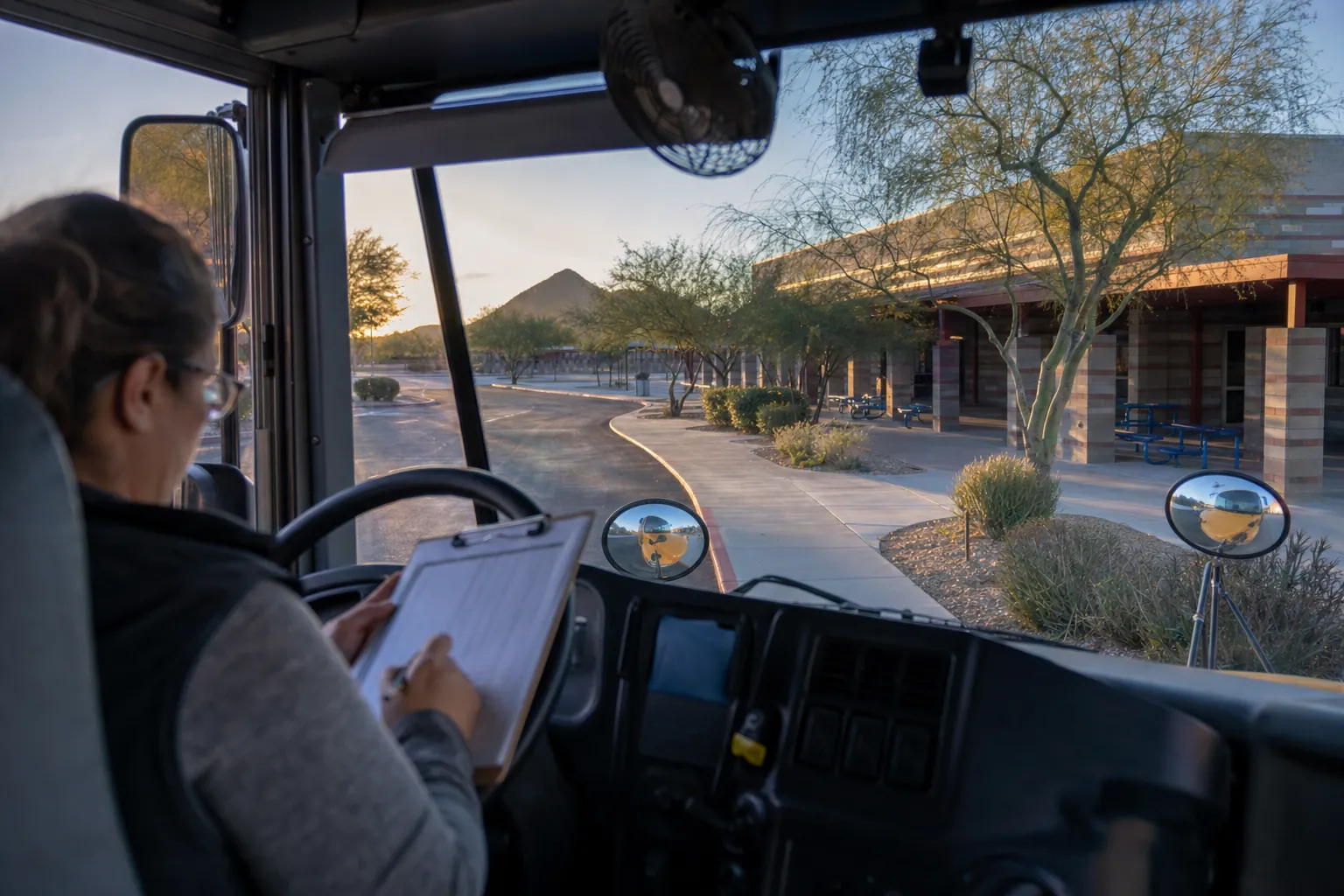
Frequently asked questions
Phoenix Suburban Transportation can discuss daily student routes, field trips, athletic travel, after-school programs, recurring activity transportation, and custom needs shaped around a school or program schedule. A school can begin with its most immediate need, then bring related travel into the same conversation as its calendar and priorities become clearer.
The team works with Phoenix-area schools, charter schools, private schools, educational programs, and community organizations that need transportation planning centered on their students and operating schedule.
Start with the service dates, student count, pickup and drop-off locations, requested arrival and return windows, loading details, trip or route purpose, and a school contact who can confirm the plan. If some details are still being finalized, share the working plan and the decisions that may change so the conversation can start from an honest picture.
Yes. For a recurring service, it is useful to share the regular weekly schedule along with early releases, testing days, holidays, seasonal changes, and the process your team uses to confirm updates.
Request a quote with the details your team already knows. A clear first conversation makes it easier to identify the timing, locations, contacts, and next steps that matter for your transportation request.
Start the conversation