
Field trip planning
What to Bring on a Field Trip: A School Checklist.
A practical field trip packing checklist for students and families, with the everyday items that help a school outing run more smoothly.

A successful field trip starts before a student gets on the bus. The right bag is not about bringing more. It is about bringing the few things that match the school's plan, help a student stay comfortable, and keep transitions simple for the adults responsible for the group. This checklist gives families a practical place to start, while keeping the school's directions in charge.
1. Start with the school's trip instructions
Before packing anything, read the school's message from top to bottom. The destination, schedule, weather, travel time, lunch plan, and student age all shape what belongs in a bag. A short museum visit might call for a water bottle and a light layer. A full day outdoors may require a packed lunch, a hat, and a change in weather plan. The school may also have destination-specific rules about bags, food, spending money, or items that cannot be carried inside.
The simplest question for families is: what will this student need to participate comfortably from departure through the ride home? That keeps the packing list focused. It also prevents a child from carrying a heavy bag full of things they will not use or may lose. The field trip permission slip guide can help schools put these everyday directions in a clear, visible place for families.
Schools should send the checklist early enough for families to prepare without guessing, then use the same message for reminders. When every class receives a different version of the plan, adults spend the morning answering avoidable questions. One shared, specific list gives students a more consistent start to the day.
2. Choose one small, easy-to-manage bag
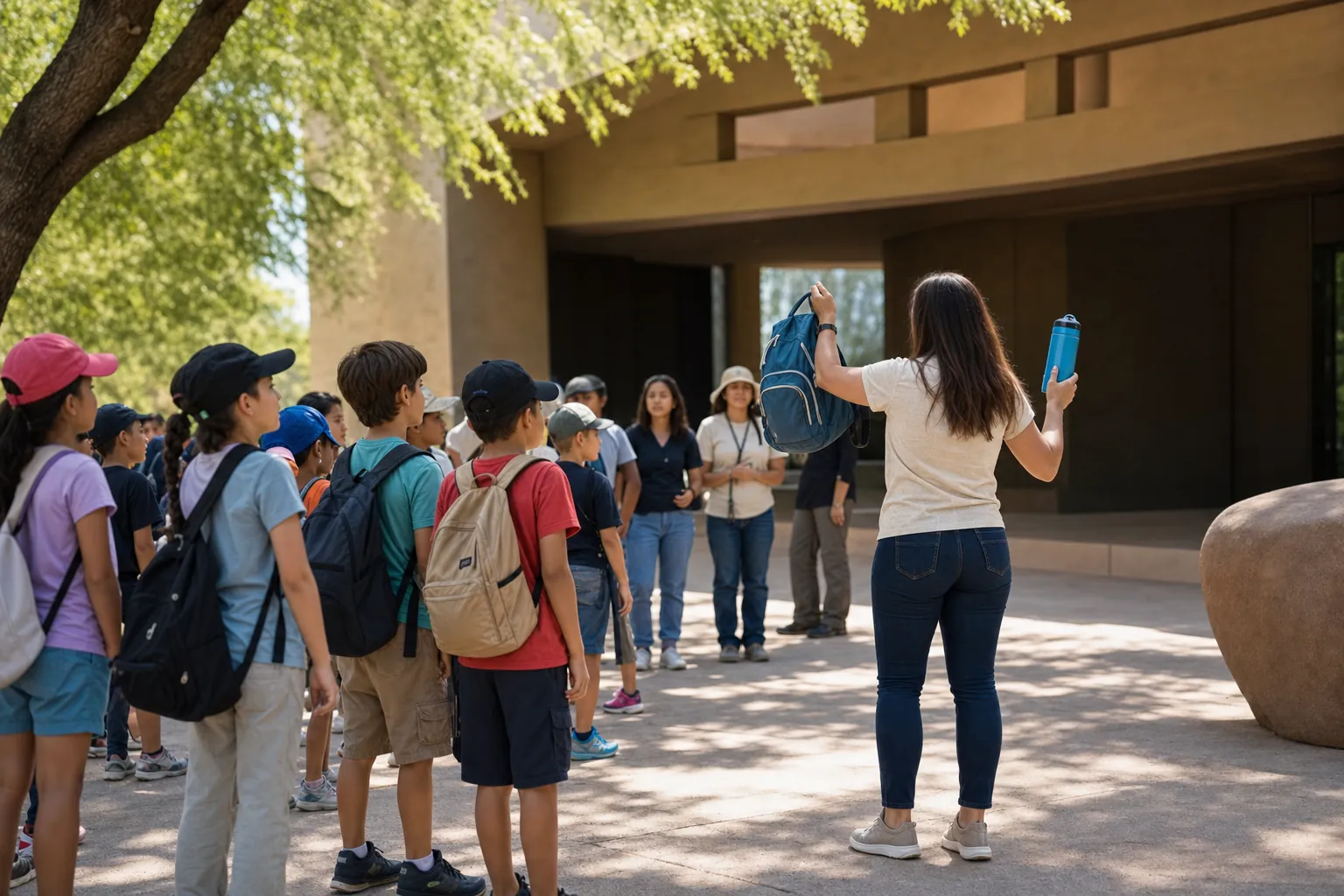
A compact backpack or daypack is often enough for a field trip. It should fit the student comfortably, zip closed, and be simple enough for the student to carry on and off the bus without help. Large bags can become awkward in crowded seating areas, tight walkways, and group meeting points. A smaller bag also makes it easier for a chaperone to see whether a student has picked up their belongings before the group moves on.
Pack only the items the student is expected to manage. A child who is carrying a lunch, water bottle, jacket, and souvenir bag may need a different arrangement than a student on a short morning outing. Put the items needed first in an easy-to-reach pocket, and avoid loose items that can spill through the bottom of a bag. A name label on the bag is useful, but families should not add private health information to the outside.
For the ride itself, students should keep bags where the school or driver directs them, not in a way that blocks the aisle. The school's field trip transportation checklist covers the larger boarding and travel plan that helps those small details stay organized.

3. Pack water for the actual day ahead
A labeled refillable water bottle is useful for many school outings, especially when the group will be outside, walking between locations, or traveling in warm weather. Whether students should bring one, and when they can refill it, depends on the school and destination. Families should follow the trip message instead of assuming that every venue has the same water access.
For warm Phoenix-area days, hydration and sun exposure deserve attention before the group leaves campus. The Centers for Disease Control and Prevention's heat safety guidance emphasizes planning ahead for hot conditions, while its sun safety information helps families think through shade, clothing, and protection for outdoor time. Those general resources do not replace the school's rules. They reinforce why a field trip packing note should explain the setting rather than simply telling students to bring water.
Choose a bottle that closes securely and is easy for the student to identify. A bottle that leaks inside a backpack can soak the lunch, permission materials, or a needed layer. A bottle that is too large can be difficult for younger students to carry all day. The practical choice is one that the student can open, close, and keep track of without turning it into another job for a chaperone.
4. Match clothing to the destination and schedule
Field trip clothing should help students participate. Comfortable shoes, a light layer, a hat when the school recommends one, and clothing that fits the day's activities can matter more than a special outfit. Families should look at the school's schedule, not only the morning temperature. A cool departure can become a hot afternoon, and an indoor destination may still include a long walk from the bus or time waiting outside.
Keep extra clothing practical. A lightweight jacket that folds into a backpack is easier to manage than a bulky coat. For a water-focused or messy activity, the school may ask for a change of clothes in a sealed bag. When no change is requested, extra outfits usually add weight without helping. The best list names the specific condition that calls for the item, so families do not have to guess.
Schools can also make this easier by saying what students will actually do: walk outdoors, sit in an auditorium, explore exhibits, eat at picnic tables, or participate in a hands-on program. Those details give families a better basis for packing than a vague reminder to dress appropriately.
5. Keep lunch and snacks within the plan
Lunch is often the largest item a student carries, which is why it needs to fit the rest of the day. Some schools provide a meal, some ask families to pack one, and some schedule a snack rather than a full lunch. Families should use the exact food instructions from the school, including allergy-aware expectations, destination rules, storage limits, and when students will be able to eat.
A lunch that is familiar, easy to open, and simple to pack back up is usually easier for students and adults to manage. The field trip lunch ideas guide walks through food choices, cold items, water, labeling, and the small details that make a lunch stop smoother. It is better to send one workable meal than a large bag of loose snacks that can distract students during travel and transitions.
Families should also avoid packing treats or drinks that the school has not approved. A classroom may have food-sharing rules, allergy concerns, or a destination that limits where food can be opened. The trip message should make those boundaries clear, and students should know to wait for the lead adult before eating.
6. Bring required items, not backup clutter
It is natural to want a student prepared for every possibility. On a group outing, though, extra belongings can make the day harder. Valuables, large amounts of cash, gaming devices, personal toys, and items not requested by the school are easy to misplace and difficult for adults to track. Families should use the school's do-not-bring list as seriously as the packing list.
Required items deserve a separate check before the student leaves home. That might include a school badge, a signed form, a meal ticket, a small amount of approved spending money, or a school-provided item for the activity. Keep those materials together in a secure pocket or folder rather than placing them loose in the bottom of a backpack. If the school has not asked for something, the better default is to leave it at home.
Medical needs and accessibility supports require special care. Families should follow the school's established process and speak with the designated staff member ahead of time when a student needs support during the day. A chaperone should not be put in the position of discovering essential information at the bus door. The field trip chaperone checklist explains how clear roles and communication protect the group without sharing private details too broadly.
7. Label belongings and practice the routine
A student is more likely to bring everything home when they can recognize and manage their own belongings. A simple name label on the bag, water bottle, lunch container, and jacket can make a real difference after a busy activity or a quick bus departure. For younger students, it helps to practice opening the bag, returning items to the right pocket, and carrying it with both hands free enough to walk safely.
The night before is the best time to pack the non-food essentials. Put the daypack near the door, add the jacket or hat, and place any paper items in a folder. Pack perishable food and cold items as close to departure as the school directs. That routine gives families a chance to notice a missing permission slip or a jacket that no longer fits, rather than solving it during a rushed school morning.
School staff can support the same routine by giving students a short arrival check: bag, water, lunch, and required materials. A quick check before boarding is calmer than stopping the group later because one student cannot find a needed item.

8. Plan for the return trip, too
What comes home can be just as important as what goes out. Students may collect worksheets, crafts, brochures, jackets, or leftovers from lunch as the day unfolds. A daypack with one open pocket or a small reusable bag can give those items a place to go without mixing them into food or papers that need to stay dry. Schools can also tell students where souvenirs fit into the plan, especially when a destination has a gift shop.
Before the group leaves the destination, chaperones can use a brief reset: students pick up their bag, check for a water bottle and jacket, throw away trash, and return to their assigned group. That sequence does not need to be complicated. It gives students a repeatable way to move from an activity back to the bus, while helping adults catch the common items that get left under a table or near an exhibit.
The same routine matters at school. Families may be waiting at pickup, and students can be tired after a full day away from campus. A clear return plan, one of the essentials in the field trip chaperone checklist, helps the group account for students and belongings before the final handoff.
9. Use this field trip packing checklist
The school's trip instructions always come first. Once those are clear, this simple checklist can help families confirm the basics:
- Small backpack or daypack that the student can carry and close securely.
- Labeled water bottle, when the school has requested one.
- Packed lunch or snack that follows the school's food and allergy guidance.
- Comfortable shoes and weather-appropriate clothing for the actual schedule.
- Required school items, kept together in a secure pocket or folder.
- Any approved support item the school has asked the family to provide.
- Name labels on the bag, jacket, lunch container, and water bottle.
Just as important, leave out anything that is not part of the plan. A lighter, clearer bag helps a student stay independent, helps chaperones move the group efficiently, and reduces the chance that something important is left behind at a venue or on the bus.
Bring the student checklist into the full trip plan
Student packing is one piece of a well-run school outing. The school still needs a clear passenger count, departure time, destination access plan, chaperone assignments, meal plan, and return procedure. When those pieces are coordinated early, families get better instructions and students arrive ready to take part.
Phoenix Suburban Transportation helps Phoenix-area schools coordinate field trips, educational outings, athletics, and custom transportation needs. Sharing the group size, destination, timing, and student needs early gives the transportation plan a stronger start and gives school staff fewer day-of details to untangle.
Planning a school outing
Bring the trip details into one clear plan.
Phoenix Suburban Transportation helps schools coordinate field trips, educational outings, athletics, and custom transportation needs.
Frequently asked questions
Students should bring only the items the school has requested, usually a small daypack, a labeled water bottle, any approved lunch or snack, weather-appropriate layers, and essentials that help them manage the day. The school’s instructions should decide what belongs in the bag.
A small, comfortable backpack can be useful when it holds only the student’s planned essentials. It should be easy for the student to carry, close securely, and stay out of the aisle or walkways during travel.
Families should leave behind valuables, extra spending money, large bags, items that are not allowed at the destination, and anything the school has not approved. Keeping the bag simple helps students keep track of their belongings during busy transitions.
Schools can send one short, specific checklist that names the destination, weather considerations, lunch instructions, meeting time, bag expectations, and any items students should not bring. Clear instructions reduce last-minute questions and help every student arrive prepared.
Families should follow the school’s policy and the trip instructions. For outdoor days, schools can remind families to consider sun protection and to pack only what students can manage independently, while communicating any rules about application or storage before departure.
Related posts
Field Trip Transportation: A School Planning Checklist
A practical checklist for schools coordinating safe, organized transportation for an educational outing.
Read the checklist →
Field Trip Permission Slip: What to Include
A practical guide to the details families need before a school field trip, from itinerary basics to return plans.
Read the guide →
Field Trip Chaperone Checklist: 10 Essentials
A practical checklist for school chaperones who need to keep students accounted for, informed, and together throughout a field trip.
Read the checklist →
Field Trip Lunch Ideas: A Guide for Schools
Practical field trip lunch ideas that help schools and families plan for travel, timing, food safety, and a smoother day away from campus.
Read the guide →