
Field trip planning
Field Trip Transportation: A School Planning Checklist.
A practical checklist for schools coordinating safe, organized transportation for an educational outing.
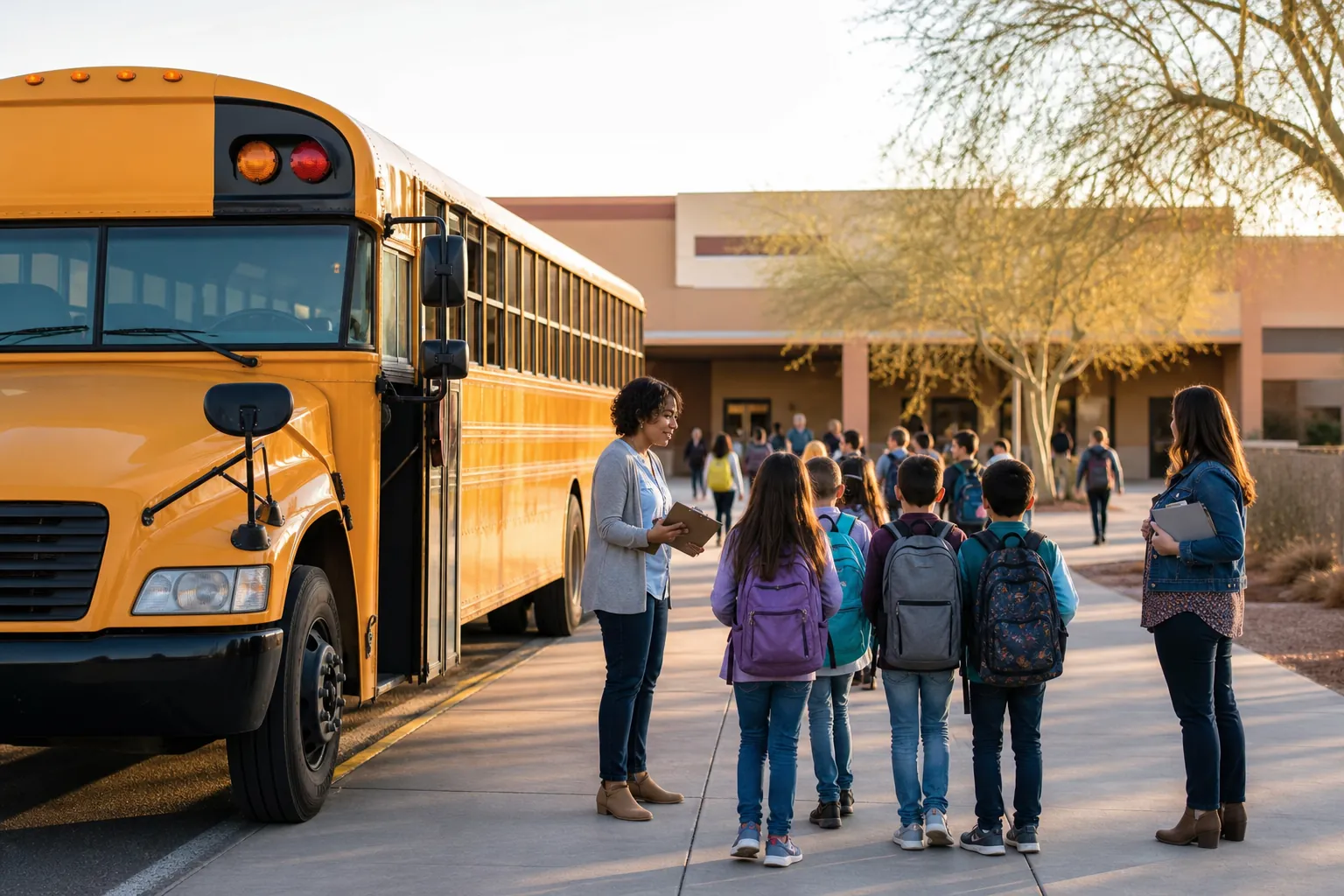
A field trip starts long before students climb aboard. The transportation plan is what turns a good destination into a day that feels organized for students, staff, families, and the people responsible for keeping the schedule intact. Use this checklist to build the details in the right order.
Start with the learning plan, then build the travel plan
Begin with the purpose of the trip. A museum visit, campus tour, athletic event, performance, and outdoor learning day can all require different arrival windows, equipment, supervision, and loading conditions. When the educational plan is clear, transportation decisions become more practical. You can work backward from the destination’s required arrival time, account for the time students need to board and unload, and set a return time that does not create a scramble at the end of the school day.
Write down the non-negotiables before requesting transportation: the date, destination, required arrival time, expected return time, grade level, estimated passenger count, and the school contact who can make decisions. This is also the moment to check the destination’s entry rules, bus access instructions, lunch plan, and whether the group will be split into timed sessions. A trip can look simple on a calendar and still have a narrow arrival window.
For schools managing several programs at once, it helps to distinguish between the trip’s fixed requirements and its preferences. A fixed requirement might be a 9:30 a.m. venue entry time or wheelchair access. A preference might be a particular lunch stop. That distinction lets the transportation conversation focus first on what cannot move, then on the details that can be adjusted if traffic, access, or school-day needs change.
Build a trip brief that everyone can use
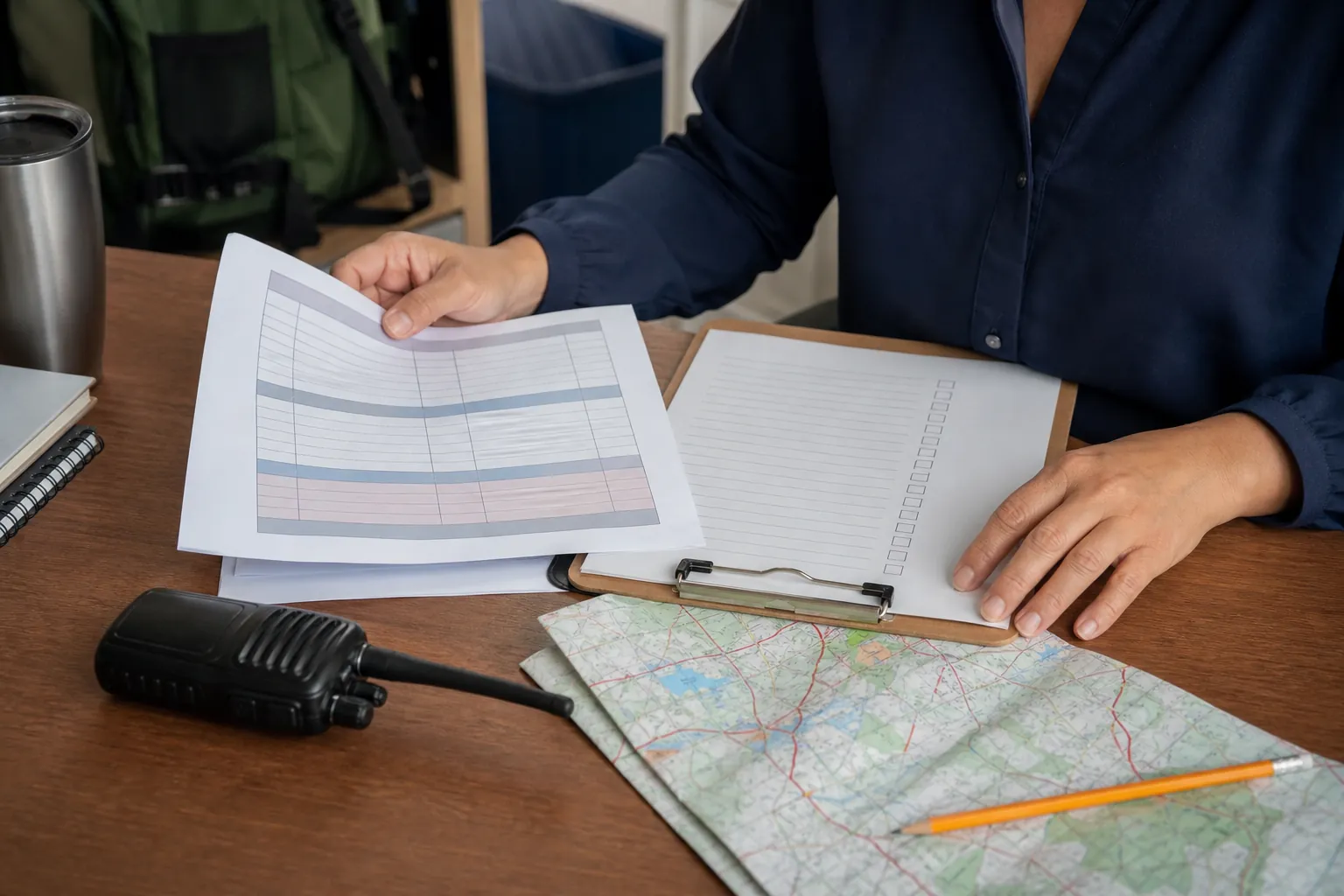
A useful trip brief is one clear page, not a collection of messages scattered between teachers, administrators, and drivers. It should tell every adult what is happening, when it is happening, and who is responsible for the next decision. Include school and destination addresses, pickup and return times, passenger count, the lead contact’s cell phone number, and a second contact in case the lead person is busy with students.
Record the destination’s preferred bus entrance, unloading instructions, parking directions, and the exact location where the group will meet for departure. Add any planned stops, meal timing, medication or equipment needs the school manages, and any accessibility considerations. The purpose is not paperwork for its own sake. It is to prevent a small unanswered question from becoming a delay when a group is already in motion.
Confirm the passenger count and supervision plan
Transportation capacity depends on the real group, not the original estimate. Confirm the expected number of students, teachers, chaperones, and any additional adults before the plan is finalized. Note the student age group as well. Younger students may need more time to board, settle, and follow departure instructions, while older groups may be managing bags, instruments, athletic equipment, or project materials.
Make the supervision plan visible. Decide who checks attendance before leaving campus, who does the count before leaving the destination, and who keeps the group together while waiting to board. Schools often assign one lead adult for each vehicle or group. That person should know the day’s schedule, have the transportation contact information, and be prepared to report a missing student, schedule change, or medical concern through the school’s established process.
Give adults a practical meeting point and a simple rule for regrouping. At a large destination, it is easy for a class to finish an activity at a different time than expected. A designated meeting location, a clear departure sequence, and one person authorized to make the call on timing keep teachers from having to improvise while they are supervising students.
Choose transportation that fits the group and the trip
The right vehicle plan considers more than the distance. Think about how many riders are traveling, the pickup and destination access, the amount of equipment, the length of the day, and the school’s own travel policies. A transportation partner should receive the complete picture early so the plan fits the trip instead of being adjusted at the last minute.
Safety matters throughout the decision. The National Highway Traffic Safety Administration’s school bus safety guidance explains that school buses have specific protective features and are among the most regulated vehicles on the road. Its school bus regulations guidance also identifies field trips as school-related events. Schools should work with qualified transportation providers and follow their own local requirements.
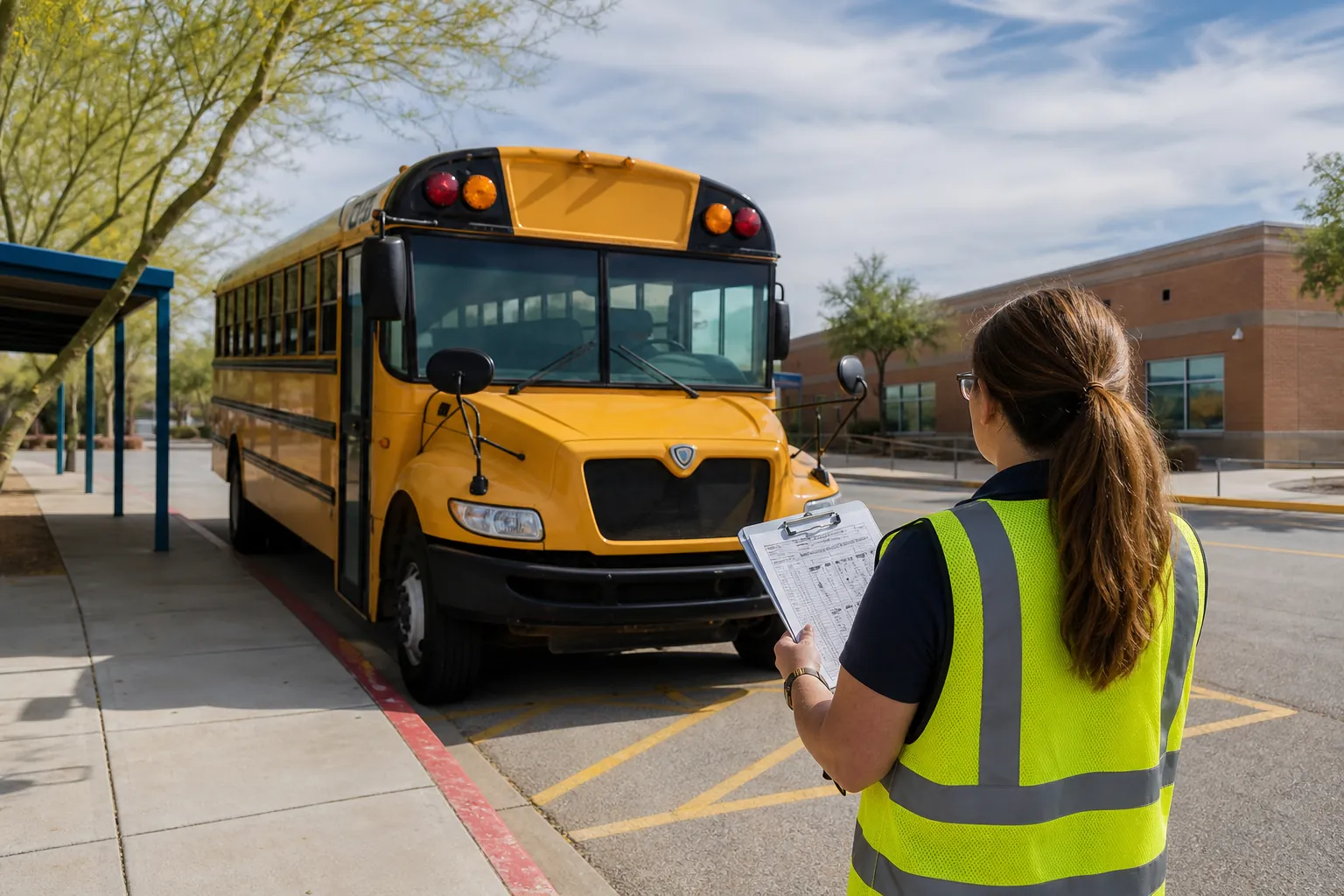
For Phoenix-area schools, Phoenix Suburban Transportation can help turn these details into a plan for field trips and educational outings. The early conversation is where timing, pickup details, passenger counts, and the destination’s logistics get translated into a transportation plan that is easier to manage on the day. Schools comparing options can also review the full transportation service overview before requesting information.
Plan the route around the real schedule
Use the destination’s arrival requirement, not the event start time, as the anchor. If a venue asks groups to arrive early for security, ticketing, check-in, or a guided program, that buffer needs to be built into the travel plan. Account for loading at school, traffic conditions, a reasonable arrival cushion, unloading, and the walk from the vehicle to the venue entrance. The same thinking applies to the return trip, especially when students will need to collect belongings or load equipment.
Share any known access restrictions with the transportation team. Some destinations have a particular bus entrance, a limited staging area, a restricted turnaround, or a different loading location for the return trip. NHTSA’s pupil transportation guidance calls for daily pre-trip vehicle inspections and clear directions for activity and field trips. Even when the destination is familiar, a written plan reduces the chance that a change in traffic or site access catches the group off guard.
Build in time for the parts of the day that are easiest to underestimate. A group does not appear at the curb all at once. Students may need to finish class, use restrooms, collect lunches, line up, and be counted before they can board. At the destination, the group may need a few extra minutes to unload safely and meet a venue representative. Planning those transitions makes the schedule more realistic without adding unnecessary stress to the day.
Prepare families without overwhelming them
Families need the information that helps them prepare their student and trust the plan. Send the school’s approved permission materials, destination details, departure and return windows, clothing or lunch expectations, payment instructions when relevant, and a clear deadline for forms. Avoid promising an exact return minute when traffic, venue release times, and student loading can change. A return window is usually more useful and more honest.
Keep family communication separate from the operational trip brief. Families do not need parking instructions or a driver contact number. Staff and chaperones do. Giving each audience the information it actually needs makes the message easier to read and reduces last-minute questions.
It is worth naming the one contact method families should watch for updates. If the return will be delayed, a single approved channel keeps the school from sending mixed messages. The right amount of family communication is clear and reassuring, not a running play-by-play of operational decisions.
Set a simple communication plan for the day
Before departure, confirm one school lead contact and one transportation contact. Both should have the other person’s cell phone number. Tell teachers and chaperones who the school lead is, where they should report a problem, and when they should check in. The goal is to keep communication calm and direct, especially if the itinerary shifts.
Decide in advance how changes will be shared. If the venue runs late, a group size changes, or the return pickup location moves, the lead school contact should update the transportation contact immediately. A clear decision path is better than having several adults independently call, text, or make changes while supervising students.
This is where a transportation partner’s communication style matters. Phoenix Suburban’s local, accountable approach is built around clear coordination with the school, so the people handling the trip have a direct path for the details that need attention.
Give students a short safety briefing before boarding
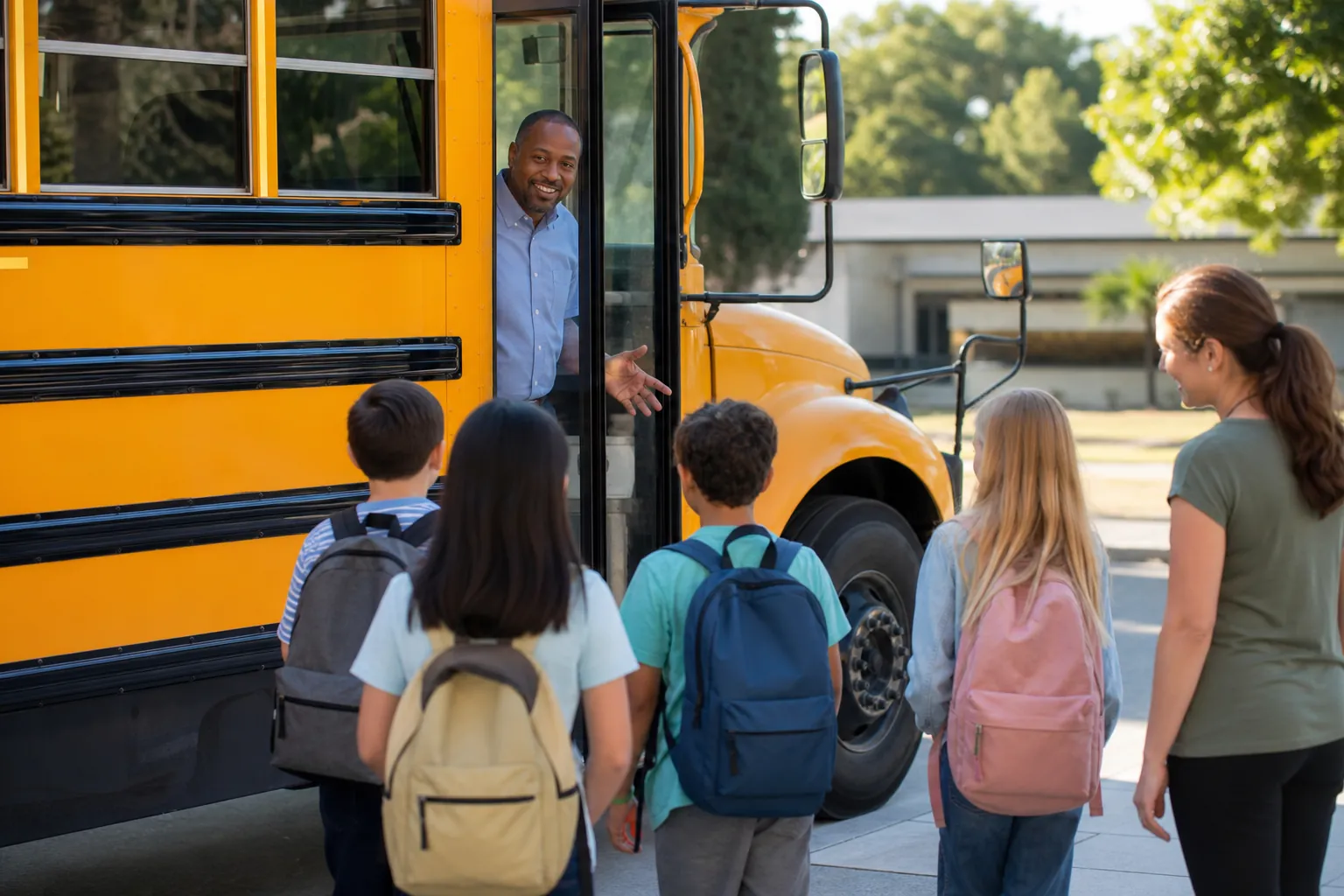
Keep the briefing age-appropriate and brief enough that students will remember it. Cover where to wait, when to board, staying seated, keeping aisles clear, listening to the driver and school staff, and what to do when exiting. NHTSA’s pupil transportation guidance specifically calls for students traveling on activity or field trips to be instructed on safe riding practices and on the location and operation of emergency exits before departure.
This is also a good time for the lead adult to confirm the attendance count. Count students before leaving campus, before leaving the destination, and again when returning to school. A simple, repeated routine is easier to execute than a complicated process that is only used once.
Close the loop after the trip
A quick post-trip review makes the next outing easier. Ask the lead teacher and the transportation contact what worked, what created delays, and what should be included in the next trip brief. A note about a difficult loading zone, a venue entrance that was hard to find, or a passenger count that changed late can save time on future planning.
This does not need to become a formal report. A short shared recap is enough. It helps the school build its own dependable routine, and it gives the transportation team better context the next time an outing, athletic event, or customized program needs to be planned.
Use a final day-before checklist
- Confirm the date, pickup location, destination, and return plan.
- Confirm the passenger count, adult supervision, and any accessibility or equipment needs.
- Send the trip brief to the adults who need it.
- Verify the destination’s bus access and group arrival instructions.
- Give the school lead and transportation contact each other’s cell phone numbers.
- Prepare the student safety briefing and attendance-count routine.
- Tell families the approved departure and return window.
When those items are clear, the trip starts with fewer unknowns. Good field trip transportation is not just about getting from one address to another. It is about helping school staff keep their attention on students and the learning experience once the day is underway.
Planning a school outing
Bring the transportation details into focus early.
Phoenix Suburban Transportation works with Phoenix-area schools on field trips, educational outings, athletics, and customized transportation needs.
Frequently asked questions
Start the conversation as soon as the date and destination are being considered. Earlier planning gives the school time to confirm passenger counts, loading details, supervision, accessibility needs, and the schedule before the trip becomes urgent.
Share the date, pickup and return times, pickup location, destination, estimated passenger count, age group, contact person, and any special loading, equipment, or accessibility needs. The clearer the first request, the easier it is to build a workable plan.
Students should know where to wait, when to board, how to stay seated, who to ask for help, and what to do when leaving the vehicle. A short briefing gives adults and students the same expectations before the trip begins.
Designate one school contact to communicate changes and provide that person’s phone number before departure. Update the transportation provider quickly when timing, passenger count, destination access, or return plans change.
Related posts

Field Trip Permission Slip: What to Include
A practical guide to the details families need before a school field trip, from itinerary basics to return plans.
Read the guide →