
Field trip planning
Planning a Field Trip: A School Timeline.
A practical field trip planning timeline for schools, from the first learning goal and approval request to the final student count.
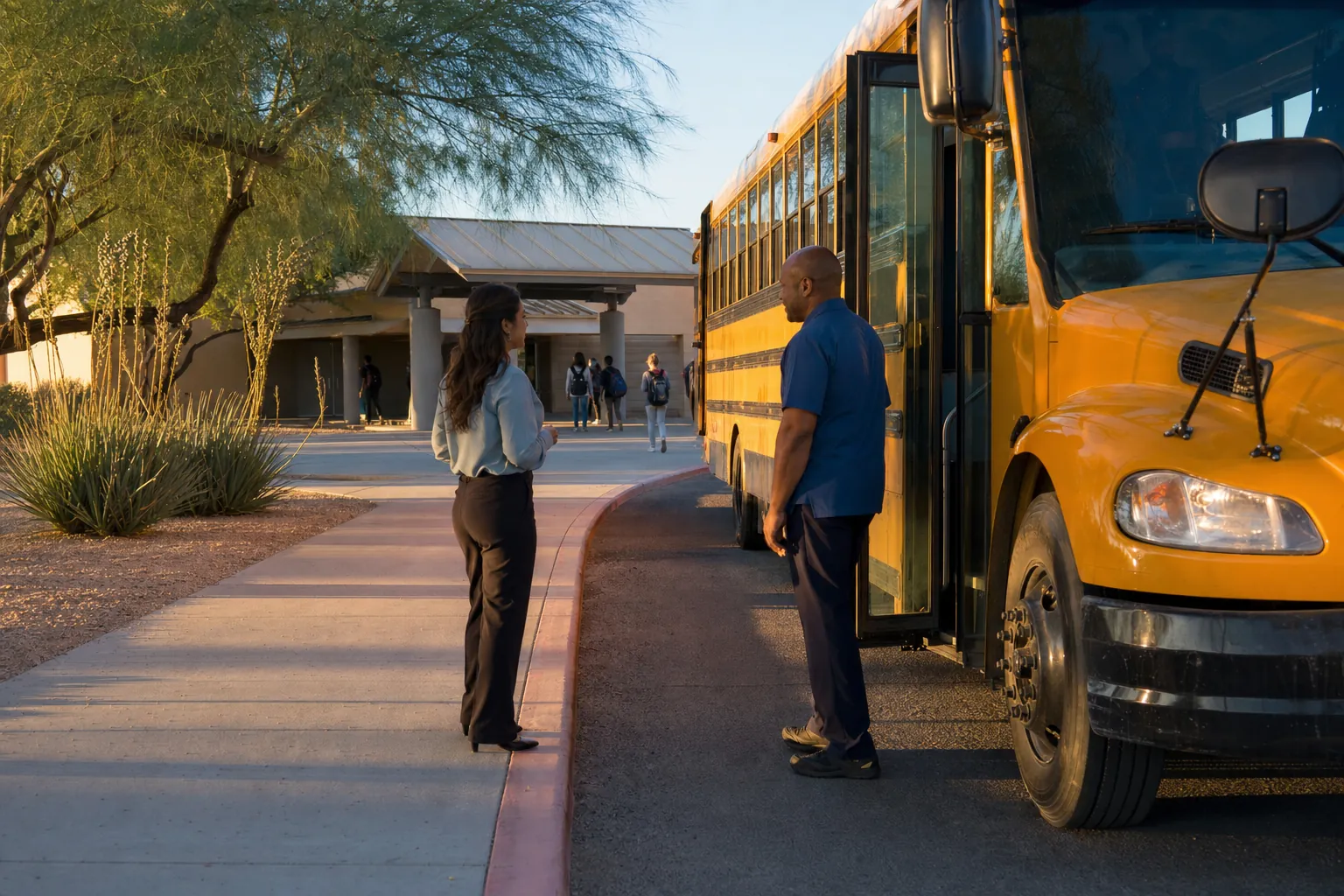
Planning a field trip gets easier when the work happens in the right order. The destination is only one decision. School approval, transportation, adult roles, family information, student needs, and the final day-of plan all depend on one another. A simple timeline keeps a good idea from becoming a last-minute scramble.
This guide is for a school day trip. It does not replace your district’s rules, destination requirements, or emergency procedures. Instead, it gives the planning team a practical sequence to adapt around those requirements. Start early enough to make the key decisions calmly, then keep one current plan as details become final.
Start with the purpose and the school’s approval path
Before reserving a bus or telling students where they might go, name the learning purpose in one clear sentence. What will students observe, make, investigate, discuss, or understand more clearly because they leave campus? That question helps the team choose a destination, justify the trip, and prepare students for more than a day away from class.
Next, find the approval path that applies to your school. Some trips need a principal’s approval, a district form, a risk review, a nurse’s input, a purchase process, or a specific lead time. Those requirements are not an afterthought. They determine the timeline. The National Park Service recommends planning well in advance, including permission and transportation arrangements, and sharing the plan with everyone involved.
Write down the proposed date range, grade level, expected student count, destination type, and trip lead. Then ask the school office what must be approved before any announcement goes out. A trip can remain flexible while the team explores options, but families should not be asked to commit to a plan that still depends on an internal yes.
Work backward from the trip date
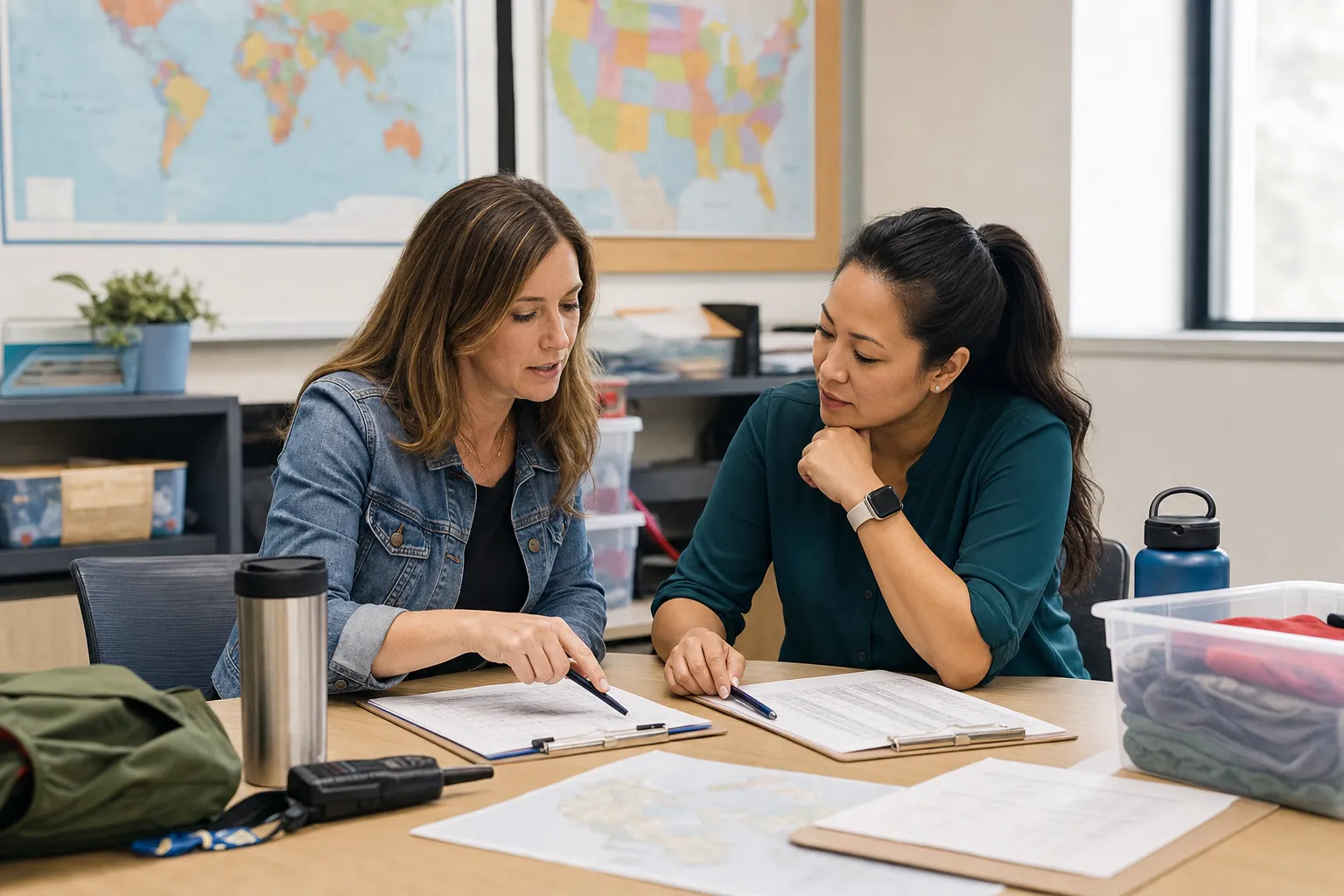
Choose a target date only after checking the school calendar, testing windows, major events, destination availability, and likely transportation demand. Then build the plan backward. The exact lead time changes by school and trip complexity, but the sequence stays useful whether the group is visiting a nearby museum or traveling farther for a full-day program.
Six or more weeks before, make the core decisions
Confirm the educational purpose, possible destination, date range, group size, school approval requirements, likely cost, and adult coverage needs. Ask the destination about school-group capacity, available program times, arrival entrance, lunch arrangements, accessibility, payment deadlines, and cancellation rules. If the group is large or the visit falls in a busy season, earlier is better.
This is also the moment to sketch the travel window. Estimate when students must leave campus, when the group must arrive, how long the educational portion lasts, where lunch fits, and when everyone needs to be back. Add breathing room for loading, restroom stops, check-in, and transitions. An itinerary that works only if every minute is perfect is not a dependable plan.
Four to six weeks before, reserve the pieces that shape the day
Once the school has cleared the trip, confirm the destination reservation and transportation request according to your school’s process. Give the transportation contact the date, pickup location, destination, approximate passenger count, arrival and return window, loading details, and a trip lead. The site’s field trip transportation checklist can help the team gather the details before making that request.
Assign ownership while the plan is still manageable. One person may own school paperwork, another family communication, another the destination relationship, and another adult coverage. The trip lead should not be the only person who knows what is happening. A short shared task list prevents simple items, such as a lunch-space confirmation or a final headcount, from quietly becoming nobody’s job.
Ask the destination the questions that affect the group’s actual arrival, not just the reservation. Where should buses enter? Is there a separate group check-in line? Does the group need a timed ticket, a name badge, or a waiver? Is there a place for students to wait if the group arrives early? Are there stairs, long walks, security screening, or construction that adults should know about? A five-minute call can reveal details that are easy to miss in a confirmation email.
Do the same with the school side of the trip. Confirm who opens the pickup area, where students gather before boarding, how attendance is recorded, and how late-return families will be informed if the schedule shifts. These decisions may feel ordinary, but they are the points where a group either moves smoothly or loses time. A dependable transportation plan begins with the school’s real routines, not a generic departure time.
Plan around students, not just the reservation
A field trip is ready only when every student can participate safely and respectfully. Check early for the school’s process around accessibility, mobility, communication support, medication, allergies, dietary needs, behavior plans, and any student-specific support that must be coordinated. Keep sensitive information with the people who genuinely need it and follow the school’s established procedures.
Food deserves a real plan, not a vague note to “bring lunch.” Confirm whether the destination provides a lunch area, whether outside food is allowed, how cold items can be stored, and when students can eat. The CDC’s school food-allergy resources emphasize planning for individual needs. Families and school staff need clear instructions, not assumptions.
Decide how students will move through the day. For a large group, that can mean dividing students into smaller groups, assigning each group to an adult, setting meeting points, and choosing the moments when counts happen. The specific ratio belongs to the school’s policy, but the planning principle is simple: every adult should know which students they are responsible for and what to do if the plan changes.

Give families and chaperones the information they need
Once the basic plan is confirmed, send families one clear communication that answers the practical questions: where students are going, why the trip matters, date, departure and return timing, transportation, cost if applicable, meals, what students should bring, what to wear, permission deadline, and whom to contact. Use the school’s approved process for consent. The site’s field trip permission slip checklist can help ensure the message does not miss the details families need.
Chaperones need a different briefing. They should know their assigned students, the day’s schedule, count points, behavior expectations, meeting locations, phone protocol, restroom plan, and who makes decisions if the itinerary changes. A chaperone is not simply an extra adult on the bus. As the National Park Service puts it, chaperoning should be an active role. The field trip chaperone checklist gives each adult a practical way to prepare.
Students also benefit from a short preview. Explain the learning purpose, the schedule, how groups will work, what respectful behavior looks like at the destination, and how students should respond if they become separated from their group. A calm, clear briefing is more useful than a long lecture on the bus ride.
Set a short weekly planning check-in
For a trip that takes more than a few weeks to arrange, a ten-minute check-in can save hours of late cleanup. Bring the trip lead and the people handling approval, destination details, family communication, adult coverage, and transportation together long enough to answer three questions: What is confirmed? What is still waiting on someone else? What has to happen before the next check-in?
Keep the answers in the same simple planning document. The point is not to create another meeting or a complicated tracker. It is to make unfinished decisions visible while there is still time to solve them. If the destination has not confirmed a lunch space, a chaperone is still awaiting clearance, or transportation needs a firmer count, that is much easier to address weeks before departure than the afternoon before the trip.
Use the check-in to protect the learning purpose, too. If the schedule starts to crowd out the actual program, reconsider the order of the day. A shorter visit with time to arrive, learn, eat, and return calmly is often stronger than an ambitious itinerary that leaves students rushing from one stop to the next. Good coordination gives teachers room to focus on students rather than constantly chasing details.
Use the final week to turn plans into one current itinerary
The final week is for confirmation, not fresh invention. Recheck the destination reservation, arrival entrance, program start time, lunch plan, bus schedule, loading location, adult list, student count, and family reminders. Resolve differences before the trip day. If one document says the group arrives at 9:30 and another says 10:00, assume the day is not ready yet.
Create one working itinerary for the trip lead and the adults supporting the day. Include the school address, destination address, departure and return windows, transportation contact, destination contact, group assignments, count points, meeting spots, lunch plan, and a short change plan. The field trip itinerary template is designed to hold those details in one place.
Before students arrive, check the basics one last time: every adult knows their role, the school has the necessary student information, families have the latest timing, the destination knows the group is coming, and transportation has the correct pickup and return plan. The National Highway Traffic Safety Administration’s school bus safety guidance is a useful reminder to review safe boarding and behavior expectations with students before travel.
Keep the day organized at every transition
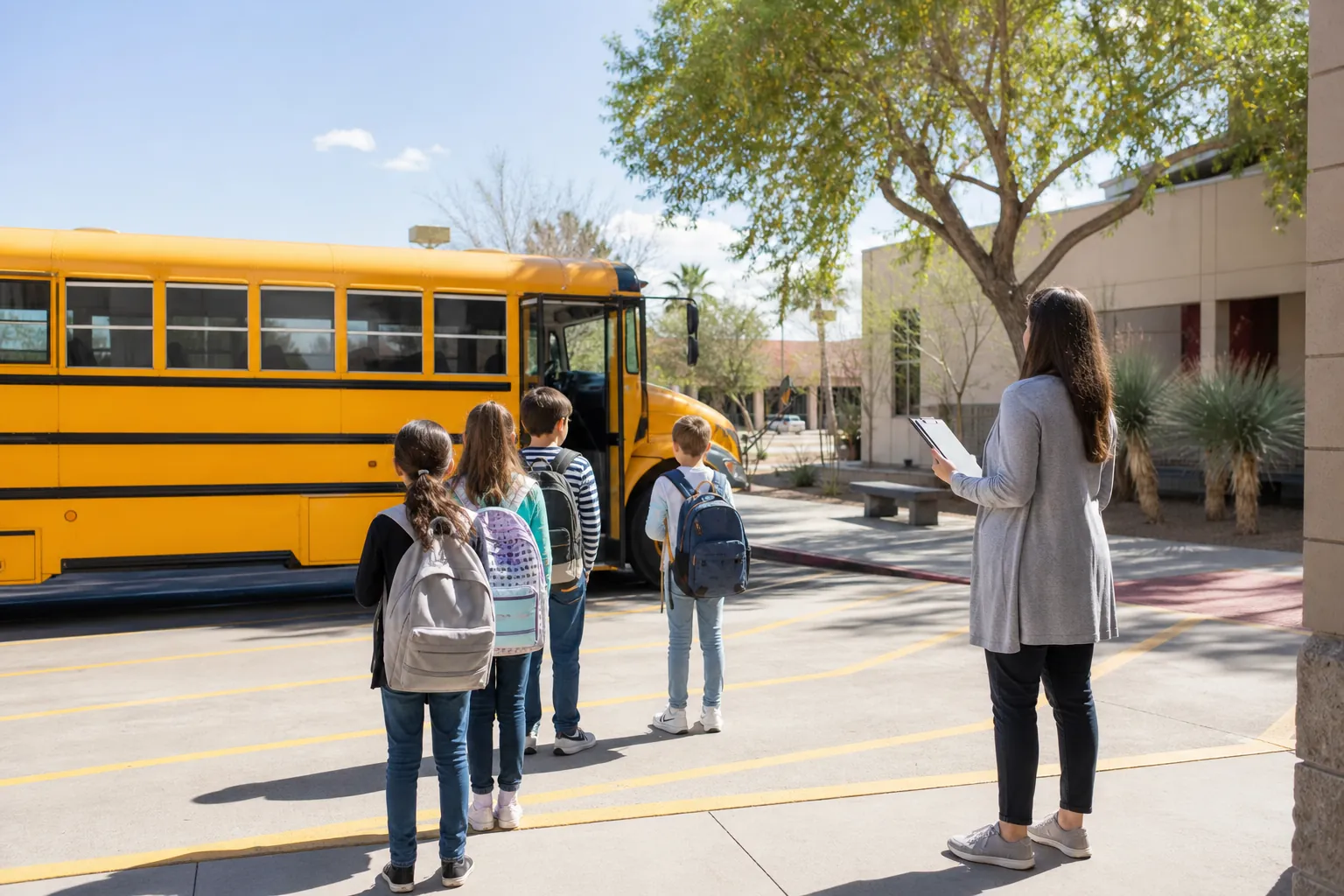
On trip day, the first count is not the last count. Count students before departure, after leaving the bus, before leaving each major location, after boarding, and when the group returns to campus. Use the same method each time, and make sure another adult can confirm it. Consistency removes avoidable confusion when the day gets busy.
Keep the itinerary available, but do not make the schedule so rigid that staff cannot respond to a delayed entry, a student need, or a change in weather. The goal is not to preserve every minute. It is to protect the group’s safety, learning purpose, and return plan. A prepared team can make a sensible adjustment without losing the day.
When the group returns, complete the school’s handoff process and note anything worth improving next time. A two-minute debrief can capture a better loading location, a clearer family reminder, or an earlier destination call. Those small lessons turn one successful trip into a repeatable process.
How Phoenix Suburban Transportation helps school teams plan travel
Transportation works best when it is part of the plan early enough to support a realistic schedule. Phoenix Suburban Transportation helps schools coordinate field trip travel around the details that shape the day: pickup location, student count, destination timing, loading routines, trip contacts, and return plans. When your team is ready to discuss a field trip, share the trip details with Phoenix Suburban Transportation so the travel plan can support the learning plan.
Frequently asked questions
Start with the lead time your school, district, destination, and transportation provider require. A simple local day trip may need weeks, while a large, seasonal, overnight, or multi-school trip can need months. Work backward from the trip date so approval, reservations, family communication, adult coverage, and final confirmations each have a clear deadline.
Begin with the learning purpose and the school’s approval process. Once the goal, grade level, date range, and local requirements are clear, a teacher can compare destinations and transportation options without promising families a trip that has not been approved.
Send the permission slip after the school has confirmed the essential trip details: date, destination, schedule, cost if applicable, transportation plan, deadline, and school contact. Give families enough time to read the information and follow the school’s own process for returns, payments, or student needs.
Confirm the final student and adult count, destination arrival instructions, transportation schedule, adult assignments, family reminders, student needs, emergency contacts, and the day-of itinerary. Make sure the trip lead, school office, destination, and transportation contact all have the same current plan.
Related posts

Field Trip Planning Checklist for Schools
Use this school field trip planning checklist to confirm approvals, destination details, adult roles, transportation, and family communication before the day of the trip.
Read the guide →
Field Trip Itinerary Template for Schools
Copy this school field trip itinerary template to organize departure times, contacts, transportation, meals, student counts, and return plans.
Read the guide →
Field Trip Tips for Teachers: Keep the Day on Track
Practical field trip tips for teachers, from the first student count to the final return-to-campus handoff.
Read the guide →