
Field trip planning
Field Trip Tips for Teachers: Keep the Day on Track.
Practical field trip tips for teachers, from the first student count to the final return-to-campus handoff.
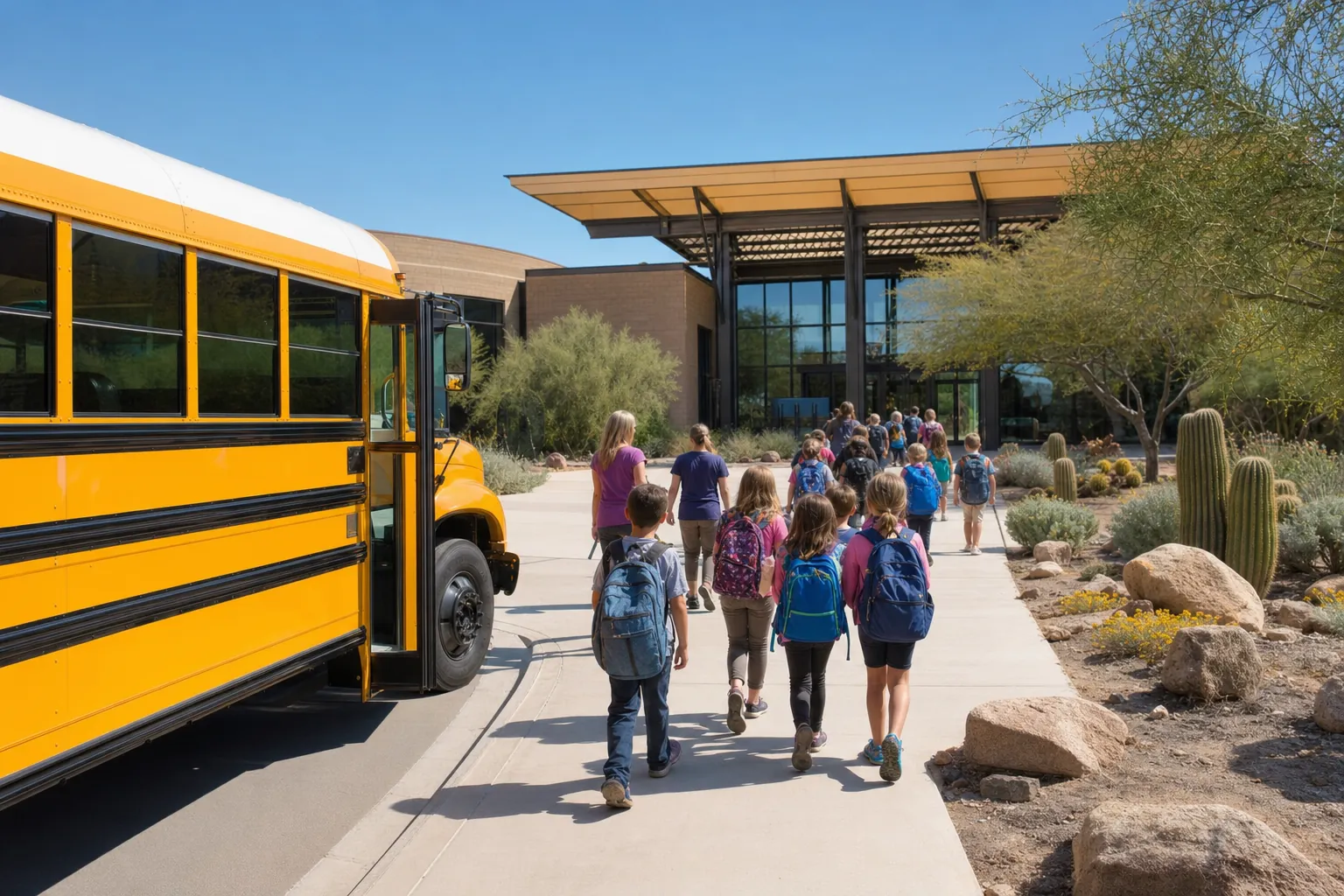
Teachers are often the people holding the day together when a field trip moves from a calendar item to a group of students at the curb. The most useful field trip tips for teachers are not about adding more paperwork. They are about setting a few clear routines so students, chaperones, transportation staff, and families know what happens next.
1. Give the trip one clear learning purpose
Before the schedule becomes busy, write the simplest answer to why the class is leaving campus. A museum program, outdoor lesson, college visit, performance, or community activity should connect to something students are learning or ready to explore. The National Park Service recommends defining and sharing learning objectives before a trip, then using follow-up activities to make the experience part of classroom learning.
That purpose gives teachers a useful filter for decisions. It helps identify what students need to notice, which materials matter, where adults should focus their attention, and what can be left out. It also gives families a concise explanation of the value of the day without burying them in staff-only logistics.
2. Work from one short day-of plan
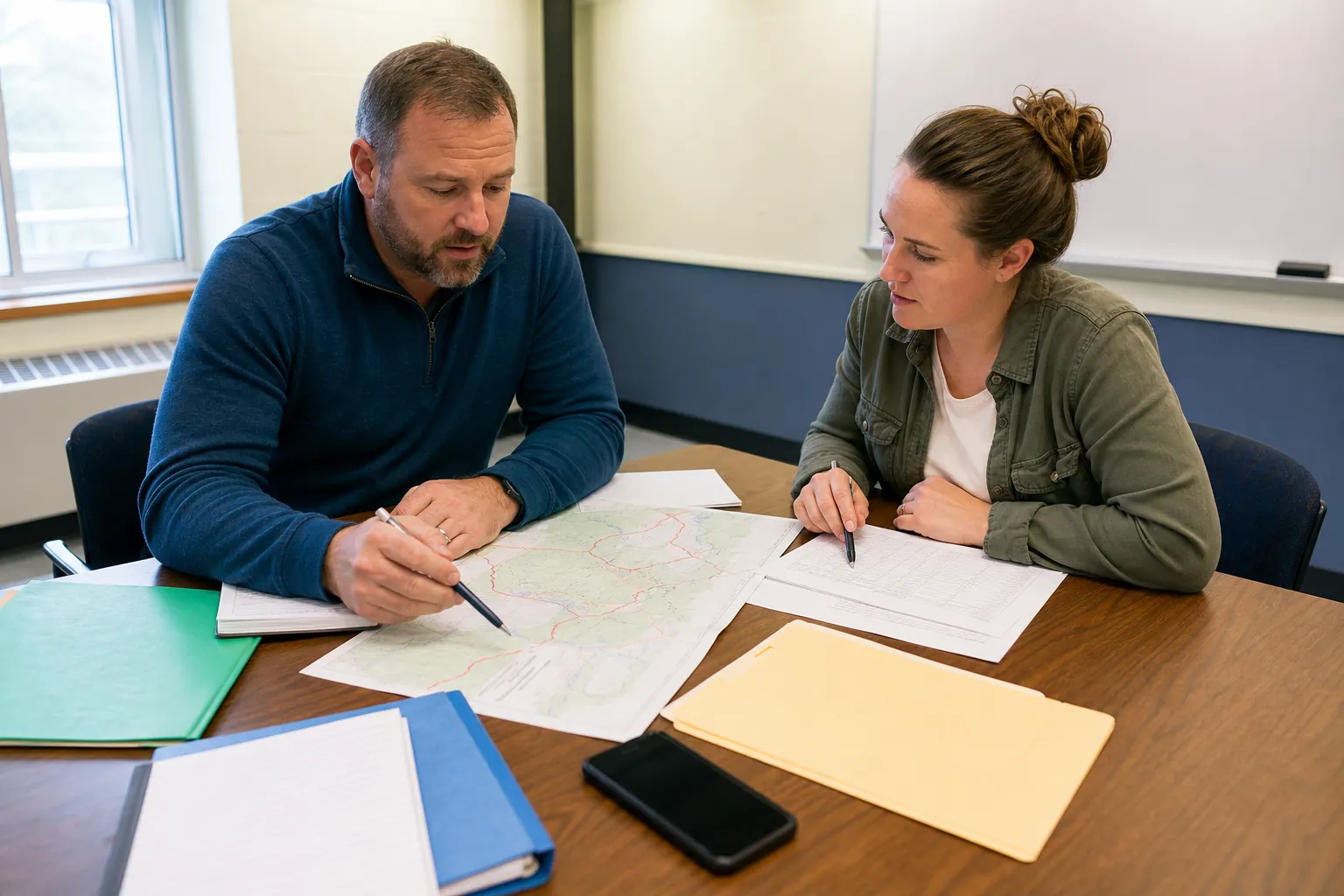
A long email thread is not a field trip plan. Teachers need one current page or shared document that they can scan quickly. It should show departure time, destination address, bus loading location, trip lead, adult assignments, student and adult counts, key contacts, lunch plan, regrouping points, and the return window.
Keep the plan practical. If another approved adult needs to step in, they should be able to identify the next time, place, and responsible person without searching through messages. The site’s field trip itinerary template is a useful structure for putting those details in one place.
3. Prepare students before the bus arrives
Students do better with a short, concrete preview than a long lecture at the curb. Explain where they meet, who their assigned adult is, how they move as a group, what signal means stop and listen, what belongs in their bag, and what happens when they return. Review the school’s own expectations for waiting, boarding, seats, aisles, and listening to the driver and staff.
For the transportation portion, the National Highway Traffic Safety Administration’s school bus safety guidance emphasizes safe behavior around a bus, including waiting for the bus to stop and using handrails when boarding. Teachers can reinforce those points in the school’s usual language, rather than introducing a new routine on an already exciting morning.
4. Put chaperones in clear, manageable roles
Chaperones can be enormously helpful when they know what they own. Before departure, give each adult the schedule, their group or area of responsibility, the regrouping routine, the trip lead’s contact method, and the school’s instructions for bringing a concern forward. They do not need to manage every decision or carry private student information that is outside their role.
Small student groups make transitions easier to supervise. The National Park Service’s field trip guidance specifically notes that chaperones are most useful when they understand their role and students are organized into smaller groups before the trip. The field trip chaperone checklist can help trip leads brief adults without turning volunteers into the day’s operations team.

5. Make every transition a count-and-check moment
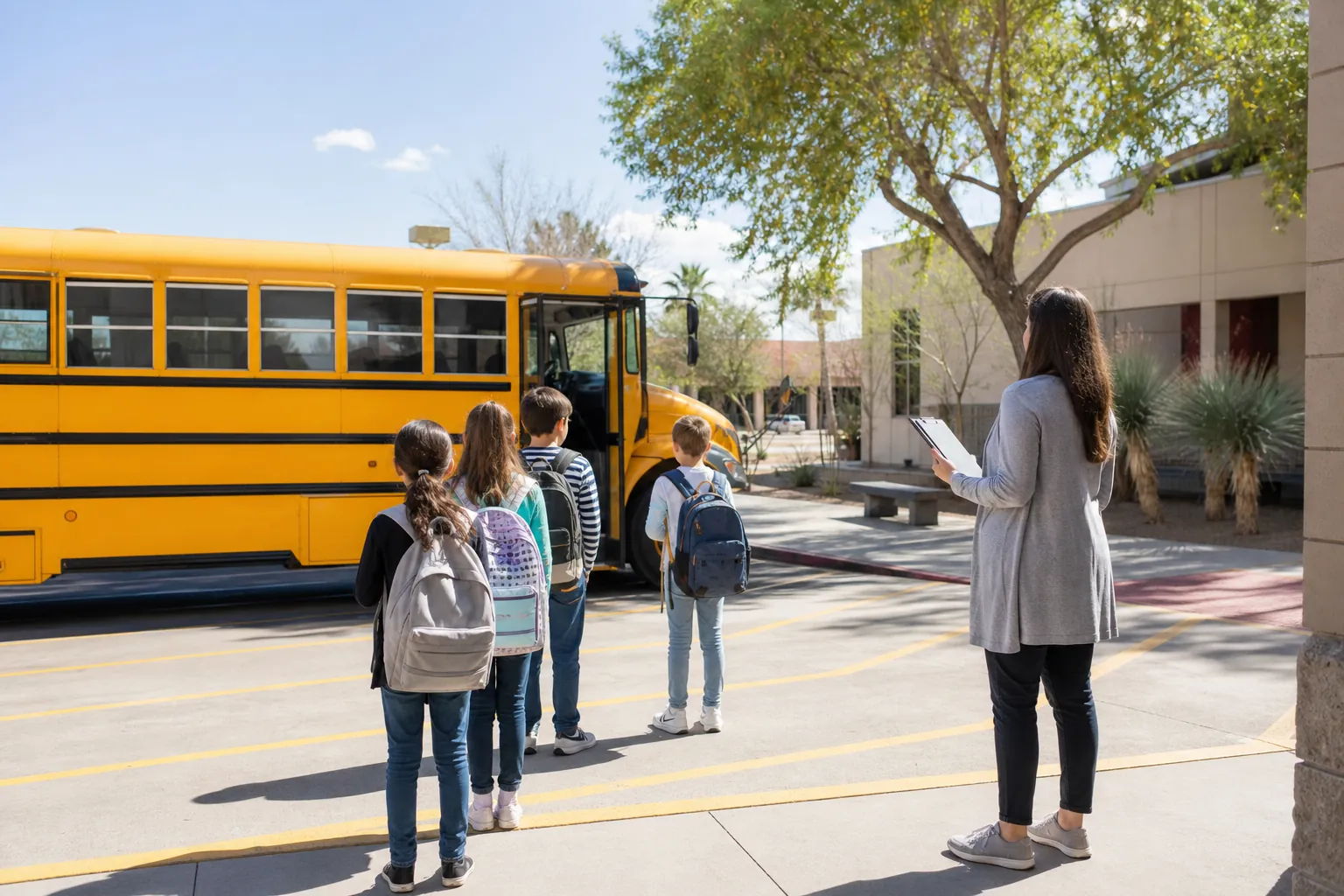
The moments that deserve the most attention are usually transitions: leaving the classroom, reaching the bus, unloading, entering the destination, moving to lunch, leaving a program, and returning to campus. Use the same simple routine every time. Stop in the planned location, take the count using the school’s approved process, confirm the next move, and then go.
Consistency matters more than complexity. Students learn what to expect, chaperones know when to pause, and teachers are less likely to discover a missing backpack, student, or adult after the group has already moved on. The site’s field trip safety checklist offers a broader planning view of supervision, communication, boarding, and the return plan.
6. Build in real travel and arrival time
A program’s start time is not the same as a school group’s arrival time. Schedule the whole sequence: gathering students, taking attendance, loading, travel, unloading, walking from the vehicle, security or check-in, restroom needs, and getting the group settled. The same is true at the end. A scheduled dismissal does not mean everyone is instantly back on the bus.
Share the operational picture early with the transportation contact. Phoenix Suburban Transportation needs the date, group size, pickup location, destination access details, requested arrival and return windows, and the school lead. The field trip transportation checklist helps schools collect those details before they become urgent.
Ask the destination for the practical detail that is easiest to miss: where a bus should enter, where adults and students should wait, which door the group uses, whether there is a security check, and who can answer a day-of question. A written address alone rarely explains the full arrival process. The more clearly that process is shared, the less time teachers spend redirecting a group after they arrive.
7. Keep family communication useful and brief
Families need the information that helps their student arrive ready: date, destination, departure and return window, permission requirements, what to bring, meal expectations, cost details when relevant, and the school’s channel for updates. They do not need the entire adult operating plan. A clear notice reduces last-minute questions and gives school staff a more reliable final count.
Use a return window when timing may change. Traffic, program release, restroom stops, and boarding all affect the exact minute students return. A window is more honest and more useful than a promise the school cannot control. Review the field trip permission slip checklist before the family notice goes out.
8. Have a calm plan for ordinary changes
Not every change is an emergency. A late departure, a different bus entrance, a rain shower, a student needing a restroom, or a packed exhibit can all require a small adjustment. The teachers who handle these moments well are usually the ones who have already named the trip lead, backup contact, regrouping point, transportation contact, and school process for communicating an update.
Use the school’s policies and student-support procedures when a concern involves health, accessibility, behavior, or family communication. General advice cannot replace a school’s approved plan. The goal is to make sure the right adult has the right information before the group is standing at the curb.
When the schedule changes, give the group one next instruction at a time. Tell adults where to meet, when the count happens, and who is making the next call. Students take their cues from the adults around them, so a clear, steady reset is more useful than trying to explain every behind-the-scenes adjustment in the moment.

9. Bring the learning back to school
A field trip has more value when students have a chance to process it. A quick reflection, observation log, discussion, drawing, writing prompt, or class debrief can help students connect what they saw to the original learning purpose. It also lets teachers notice what students understood, what surprised them, and where a future lesson can build on the experience.
Let students share one detail they observed and one question they still have. This does not need to be a large assignment. The point is to help the experience stay connected to classroom learning instead of becoming a day that disappears as soon as the bus reaches campus.
10. Take five minutes to improve the next trip
After students are safely back, capture a few notes while the details are still fresh. Which transition took longer than expected? Did the destination instructions match reality? Were chaperone roles clear? Did the family notice answer the questions people actually had? What should the transportation partner know next time?
This short review turns each trip into better planning for the next one. It also respects teachers’ time because it focuses on the few details that affected the day, not a generic post-trip report. For a full pre-trip structure, use the site’s field trip planning checklist for schools.
Bring transportation into the plan early
Phoenix Suburban Transportation helps Phoenix-area schools coordinate field trips, educational outings, athletics, and custom transportation needs. When a school shares the date, passenger count, schedule, pickup conditions, destination access, and return plan early, the transportation conversation can start with the details that actually shape the day.
Planning a school outing
Give the transportation plan the context it needs.
Phoenix Suburban Transportation helps schools coordinate the timing, group details, and destination access that make an educational outing easier to run.
Frequently asked questions
Start with the learning purpose, the school approval process, and the destination requirements. Once those are clear, build the schedule, adult roles, transportation details, family communication, and student preparation around the real trip rather than a generic template.
Use a simple routine that students hear before leaving: their assigned adult, the regrouping location, the signal to stop and listen, and the count process used at every major transition. Small groups and clear adult roles make that routine easier to follow.
Share the date, pickup location, destination, requested arrival and return windows, passenger count, school lead, destination access instructions, and any school-approved information that affects loading or the day’s schedule. Confirm the details most likely to change before departure.
Bring the experience back into the classroom while it is fresh. A short discussion, observation, writing prompt, or student reflection helps connect the outing to its learning purpose. The trip lead can also note what worked and what should change next time.
Related posts

Field Trip Planning Checklist for Schools
A practical field trip planning checklist for school staff coordinating approvals, destination details, adult roles, transportation, and family communication.
Read the checklist →
Field Trip Itinerary Template for Schools
A practical field trip itinerary template that helps school staff organize timing, contacts, transportation, and the return plan.
Read the template →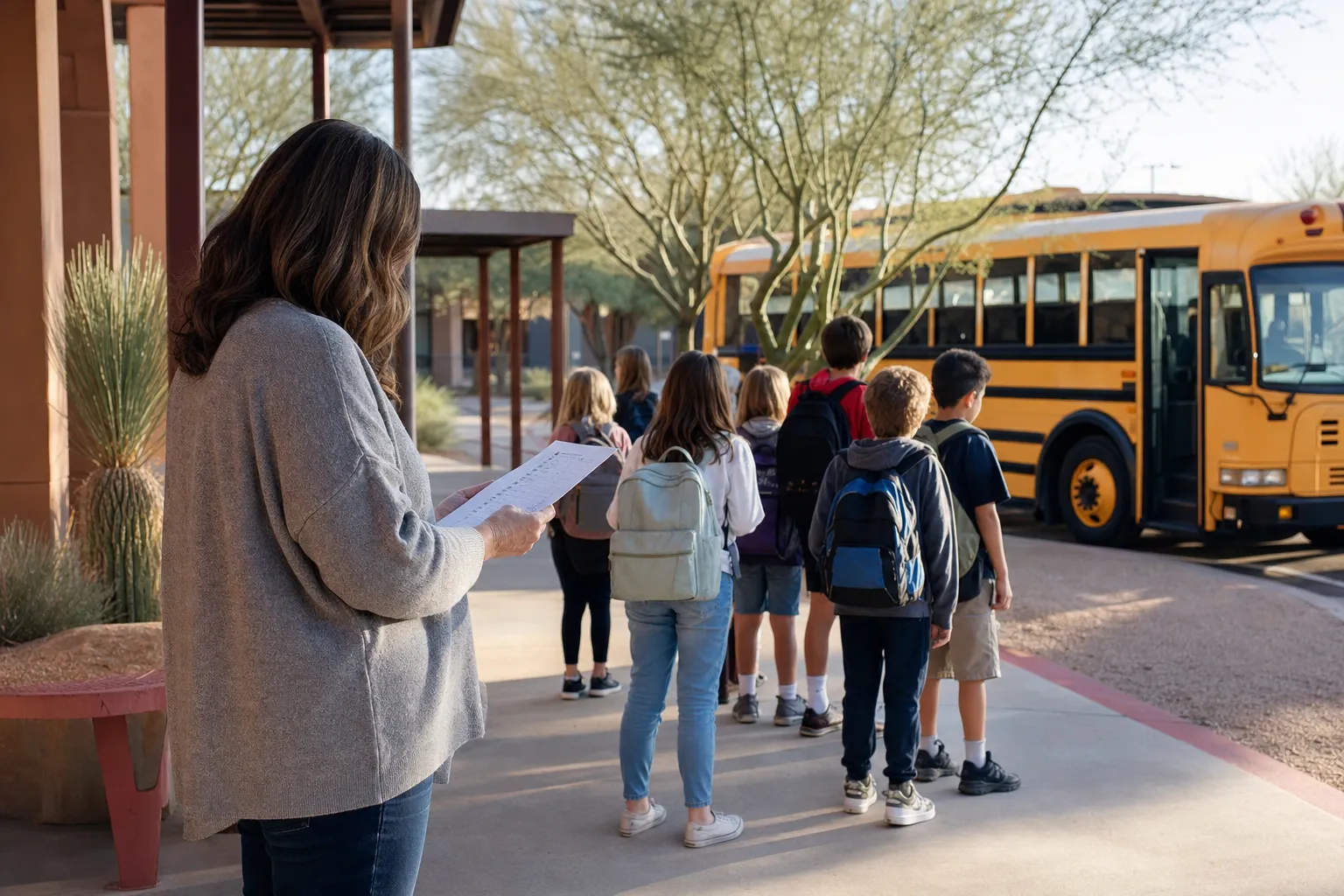
Field Trip Chaperone Checklist: 10 Essentials
A practical checklist for school chaperones who need to keep students accounted for, informed, and together throughout a field trip.
Read the checklist →