
Field trip planning
Field Trip Ideas for Elementary Students.
Field trip ideas for elementary students, with hands-on ways to connect science, community, art, history, and the outdoors to the school day.

The best field trip idea is not simply the closest attraction. It is a place where elementary students can see, handle, notice, or ask about something that makes a classroom lesson more real.
For younger students, a useful outing needs to fit the energy and attention of the group as well as the curriculum. Start with one question students are already exploring, then look for a local setting that lets them investigate it with their own eyes. That could mean watching a seed become food, seeing how a community service works, comparing animal habitats, or noticing how a historic place tells a story. As field-trip planning guidance for teachers explains, a clear purpose makes it easier to choose a destination that supports instruction rather than simply filling a day away from campus.
1. Visit a science center or hands-on museum
Science centers and children’s museums work well when students need to test an idea, not only hear about it. Look for exhibits or school programs tied to motion, weather, simple machines, the human body, matter, light, or engineering. Give students a short observation task before they arrive, such as finding one machine that changes motion or recording three questions they still have after an exhibit.
For Phoenix schools, the Arizona Science Center’s school-group guide shows why the travel plan deserves as much attention as the exhibits. The group needs a confirmed arrival window, bus drop-off plan, final count, lunch arrangement, and pickup timing. Those details are not the lesson, but they protect the time students have for the lesson.
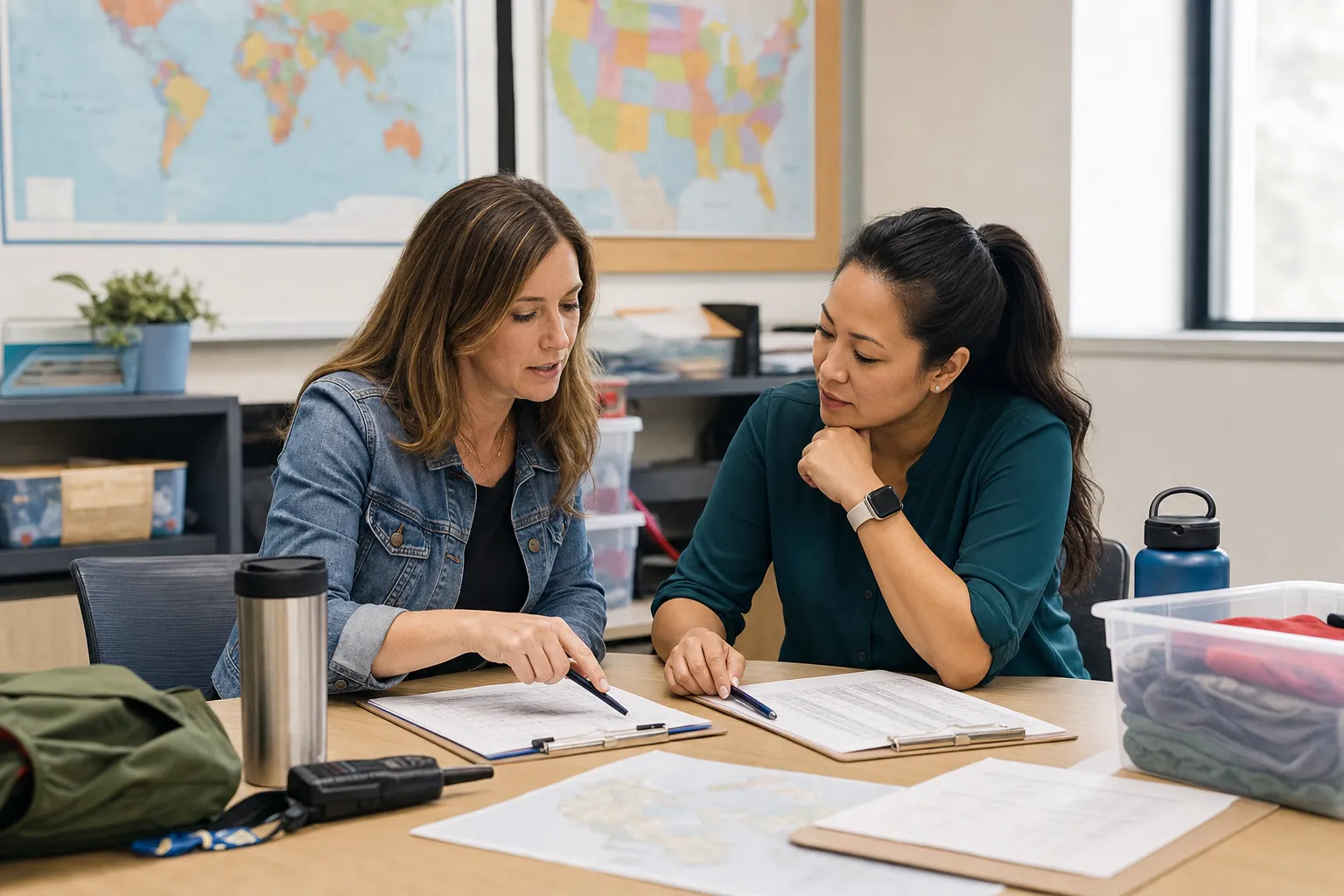
2. Explore a botanical garden, nature center, or neighborhood park
Outdoor destinations can make life science, weather, habitats, and local geography tangible. A kindergarten class might sort leaf shapes or listen for birds. Older elementary students might sketch an ecosystem, compare sun and shade, or identify how water moves through a landscape. The goal is not to turn every walk into a worksheet. One focused observation question gives students a reason to look closely.
Choose a route that matches the group’s walking stamina, restroom access, shade needs, mobility requirements, and weather plan. In Phoenix, that also means treating heat and water as core planning details, not an afterthought. A shorter outdoor visit with regular water breaks and a clear meeting point can teach more than an ambitious route that leaves everyone overheated or rushed.
3. Meet the people behind a community service
A fire station, library, post office, city department, animal shelter, or public works facility can bring a community helpers unit to life. Before the visit, help students prepare three questions: What problem does this group solve? What tools do they use? Who do they help? Those questions turn a tour into a conversation about how a community works.
Contact the destination early and be specific about the grade level, number of students, arrival time, and learning focus. Some sites can host a class indoors, while others may only be able to offer a vehicle demonstration or a short talk. Either can be valuable when the teacher knows what students should notice and follows up with a drawing, thank-you note, map, or class discussion.
4. Learn where food comes from at a farm, garden, or farmers market
A farm, community garden, orchard, nursery, or farmers market can connect plants, seasons, nutrition, economics, and local work. Younger students can trace the path from seed to food. Students in later elementary grades can ask how weather, insects, water, transport, and prices affect what reaches a market. The best visits include an age-appropriate activity, such as observing compost, identifying plant parts, or comparing foods grown in different seasons.
Food-focused trips need a clear plan for allergies, handwashing, snacks, lunch, and any hands-on activity. Confirm whether students can touch or taste anything before you write the family information. If the group will be outdoors, include sun protection, water, and a backup plan for weather in the same conversation.
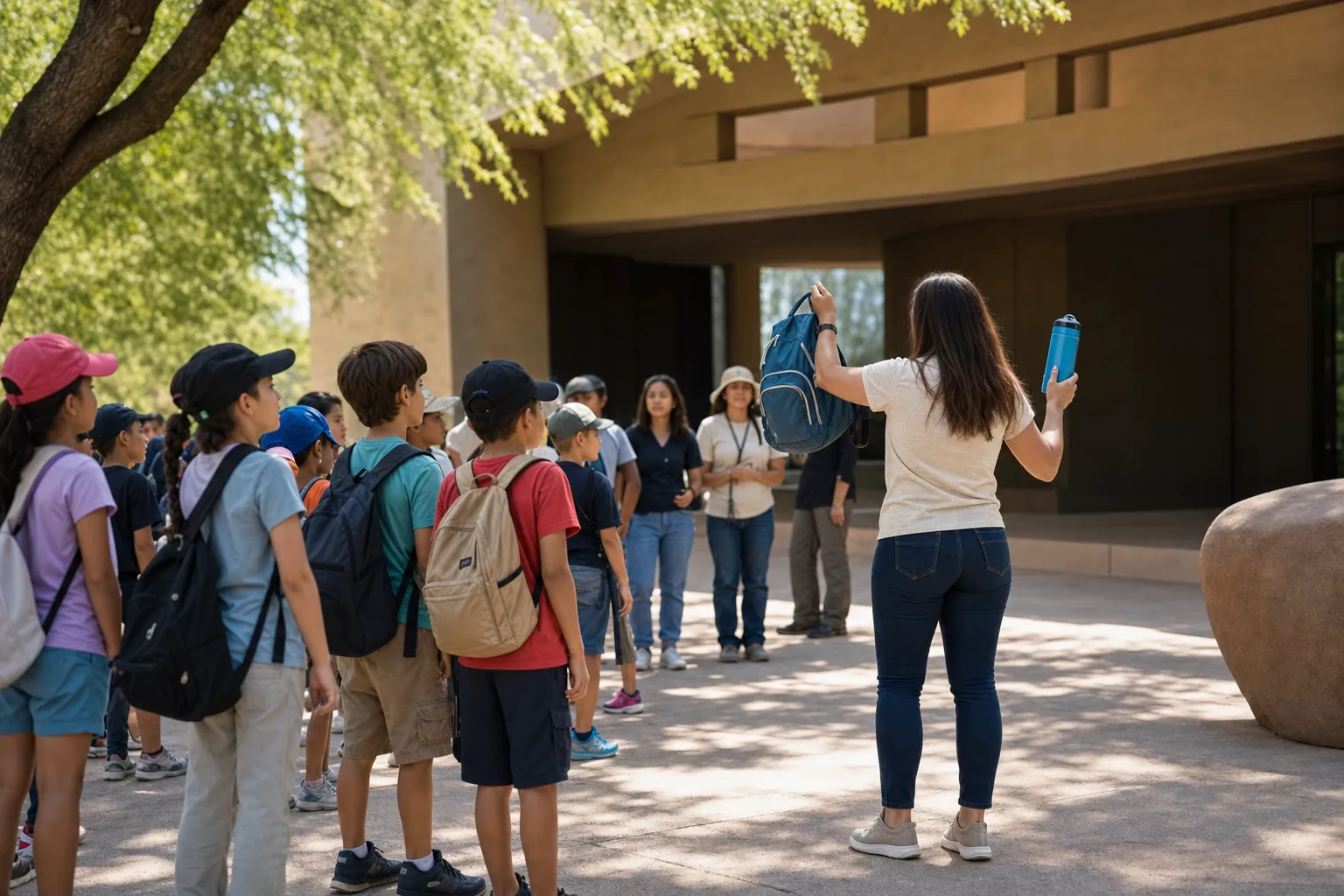
5. Bring history closer at a museum, landmark, or cultural site
History lands differently when students stand where an event happened, see an object from another time, or hear a local story connected to their own community. A historical society, museum, heritage site, courthouse, or neighborhood walking tour can support units about local history, civic life, migration, work, or changing technology.
Ask the destination what students can do, not just what they can see. A docent-led question, artifact observation, short scavenger hunt, or mapping activity gives elementary students a job during the visit. Before leaving school, introduce two or three vocabulary words and one question they should be ready to answer on the bus ride home.
6. Visit an art museum, theater, or working studio
Arts trips can build observation, vocabulary, confidence, and creative risk-taking. An art museum or sculpture garden invites students to describe color, texture, feeling, and story. A theater performance gives them a chance to notice how music, movement, costume, lighting, and dialogue work together. A local artist studio or community arts program can make the creative process feel less mysterious.
Prepare students for the setting before the trip. Explain how a gallery, theater, or studio may ask them to move, listen, and ask questions. Then give them a small response task for afterward: choose one work that stayed with them, explain why, and create a short visual or written response. The trip becomes part of learning, not a separate reward.
7. Make math visible at a store, restaurant, or local business
Elementary students use math more naturally when they can see it at work. A grocery store, bakery, restaurant, small business, or bank can open conversations about counting, measurement, inventory, pricing, saving, and problem-solving. The visit works best when the host can show one real process, such as weighing ingredients, arranging a display, tracking stock, or planning a delivery.
Keep the activity simple and tied to the grade level. A first-grade class might notice how items are grouped and labeled. A fourth- or fifth-grade class might compare unit prices, estimate quantities, or ask how a business decides what to order. Check the school’s privacy and safety expectations before visiting any active workplace, and make sure the group can stay together without disrupting customers or staff.
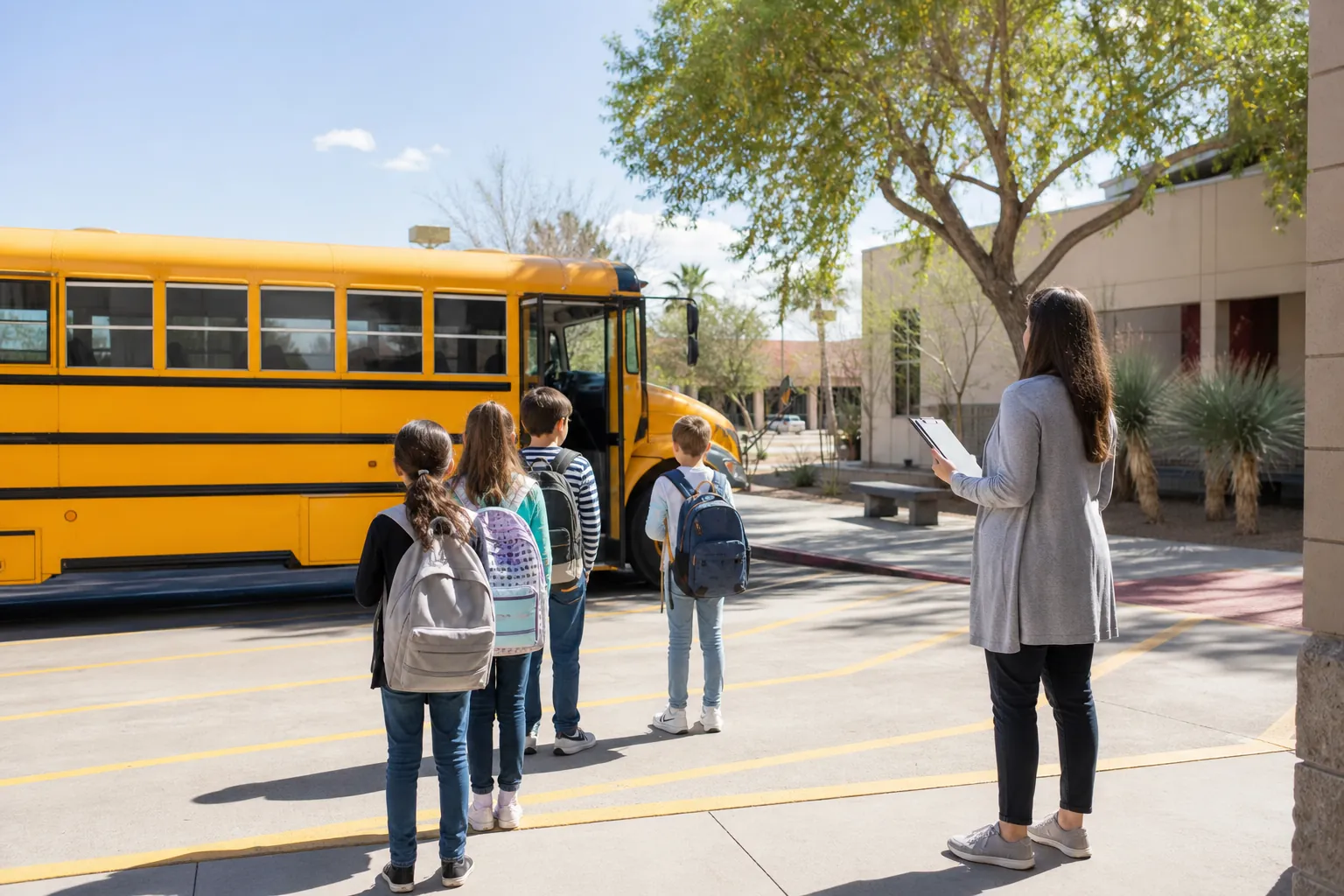
8. Choose a place where students can build, make, or solve
A makerspace, engineering lab, community college program, fabrication studio, or library workshop can give students a useful glimpse of how ideas become objects. Look for programs that let students test a design, build a small model, ask an expert question, or see tools used safely. This kind of experience works especially well with units on force, structures, inventions, coding, or problem-solving.
Ask about group size, age limits, safety rules, and whether students need to rotate through stations. If every student cannot participate at once, plan the waiting time. A short sketch task, observation card, or question list can keep the rest of the group involved rather than simply standing in line.
9. Connect with animals and conservation
A zoo, aquarium, wildlife rehabilitation center, or nature preserve can support questions about habitats, adaptation, food webs, and stewardship. Instead of asking students to see everything, choose a narrow purpose. They might compare two animals with different adaptations, identify how a habitat provides food and shelter, or gather evidence about how a species moves and communicates.
Be honest about the group’s practical limits. Large animal attractions can involve long walking distances, crowds, heat, and lots of stimulation. Confirm accessibility, shaded rest areas, lunch options, and a meeting point before the day. A focused visit to two areas can be more satisfying than a race through an entire site.
10. Turn the neighborhood into a field trip
Not every meaningful trip needs a long bus ride. A walkable historic district, library branch, park, public art route, grocery store, neighborhood garden, or local business may offer the best fit for a short unit and a tight budget. Nearby trips can also be easier to repeat, which lets students return in another season or use the same place to investigate a new question.
Even a local walk needs the same thoughtful preparation: permission, adult coverage, route review, accessibility, water, student identification, and a plan for crossing streets and regrouping. Ask students to carry a simple purpose with them. When they return, make time to map the route, share observations, or compare what they expected with what they found.
Match the trip to the age and the lesson
A strong idea for one grade can be the wrong fit for another. Kindergarten through second grade often benefit from short, sensory experiences with a clear routine: a farm visit, library program, fire station, garden, or simple museum activity. Young students need a small number of stops, regular bathroom opportunities, familiar adults, and enough unhurried time to see what they came to see.
Third through fifth grade students can usually hold a longer inquiry question and handle a little more independence within an adult-led group. They may be ready to compare evidence, interview a guide, map a route, collect observations, or complete a short design challenge. That does not mean the day should become a test. It means the destination can ask more of their growing curiosity and give them something useful to discuss when they return.
Build the follow-up into the original plan. A trip has more staying power when students know what they will do with the experience afterward. They might create a classroom field guide, write a thank-you letter that names something they learned, make a labeled diagram, compare two observations, or present one answer to the class question. The follow-up also helps teachers see whether the destination and activity matched the learning goal.
If the ideal destination is too far, too expensive, or unavailable on the needed date, keep the learning question and change the setting. A nearby park can support a habitats unit. A community helper can visit the school when a station tour is not possible. A local store can make math visible without a full-day trip. The best plan is the one that gives students a real experience while fitting the school’s actual time, resources, and responsibilities.
Choose the idea that fits your school day
Before you commit to a destination, use four questions: What will students learn there that they cannot learn as easily in the classroom? Is the activity right for this grade level? Can the school make the timing, adult coverage, meals, and student needs work? Does the transportation plan leave room for a calm arrival and return?
The field trip transportation checklist and school itinerary template can help bring those details together. For a trip that includes a bus, review safe boarding, behavior, and adult supervision with students before departure. The National Highway Traffic Safety Administration’s school bus safety guidance is a useful reference for that conversation.
How Phoenix Suburban Transportation helps school teams get there
A good destination needs a dependable way to reach it. Phoenix Suburban Transportation helps schools plan field-trip travel around pickup locations, student counts, destination timing, loading routines, trip contacts, and the return to campus. When your team has a destination in mind, share the details with Phoenix Suburban Transportation so the travel plan can support the learning plan.
Frequently asked questions
A good elementary school field trip gives students something concrete to observe, do, ask about, or make. Start with a classroom question, choose an age-appropriate setting, and confirm that the timing, adult coverage, transportation, meals, and student needs fit into one workable school day.
Public libraries, parks, fire stations, community gardens, local historic sites, and nearby businesses can be strong low-cost starting points. Ask each destination whether it offers school programs, group rates, reserved arrival times, or a short activity designed for the grade level.
The right length depends on the age of students, travel time, the destination, meals, and the school’s schedule. A shorter trip with time for arrival, learning, lunch, restroom breaks, and a calm return is usually more useful than a packed schedule that leaves no room for transitions.
Arrange transportation once the school has cleared the trip and the destination can confirm its date, arrival window, and group requirements. Share the pickup location, student estimate, timing, destination address, loading details, and trip lead so the transportation plan supports the day rather than becoming a last-minute variable.
Related posts
Field Trip Transportation: A School Planning Checklist
A practical checklist for schools coordinating safe, organized transportation for an educational outing.
Read the guide →
Field Trip Permission Slip Checklist: What to Include
Use this field trip permission slip checklist to give families the trip details, return plan, and clear next steps they need.
Read the guide →
Field Trip Chaperone Checklist: 10 Essentials
Use this 10-point field trip chaperone checklist to prepare for student supervision, counts, communication, transitions, and the return trip.
Read the guide →
Field Trip Safety Checklist: 8 Steps for Schools
Use this 8-step field trip safety checklist to help school staff prepare supervision, boarding, communication, and the return plan.
Read the guide →