
Field trip planning
5th Grade Field Trip Ideas That Make Learning Stick.
5th grade field trip ideas that connect science, history, civic life, careers, and the outdoors to a well-planned school day.
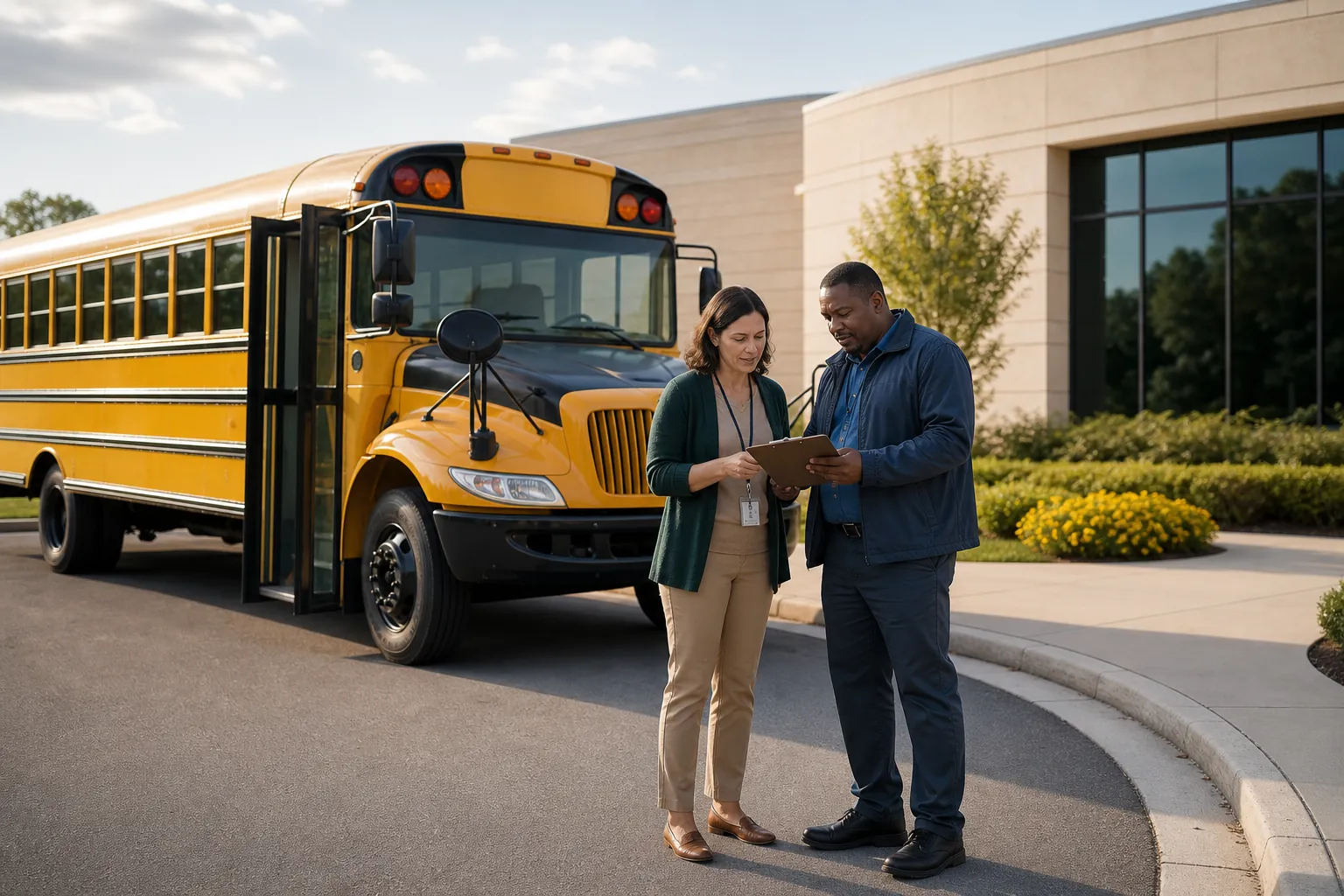
Fifth grade is a useful moment for a field trip that asks students to look closely, gather evidence, and connect a real place to the ideas they are studying. The best destination is not necessarily the biggest one. It is the one that gives the class a clear experience they can investigate, discuss, and carry back into the classroom.
These 5th grade field trip ideas are starting points, not a prescribed list. A nearby garden, museum, public-service site, or career program can all work when the learning purpose is clear and the day has enough room for travel, food, student counts, and a calm return. The National Park Service’s planning guidance recommends setting learning goals, preparing adults, and following up after the visit. That sequence helps a trip become part of learning rather than a one-day interruption.
Choose a 5th grade field trip with these questions
- What will students investigate? Name one question, system, or process the place can make visible.
- What can students do there? Look for observing, comparing, asking, making, mapping, or discussing, not just moving through exhibits.
- Can the day run comfortably? Check capacity, access, travel, restrooms, shade, food, adult coverage, and the school schedule.
- What happens after the visit? Plan one short reflection, writing task, discussion, or project that uses what students noticed.
1. Explore ecosystems at a garden, preserve, or nature center
Fifth grade science gives students more to investigate than simply naming plants and animals. A botanical garden, desert preserve, riparian area, community garden, or nature center can support questions about habitats, food webs, adaptation, water, weather, and human impact. Pick one observation job before the class arrives. Students might compare two microhabitats, collect evidence of how a plant survives in its environment, or identify choices people make to protect a place.
Keep the route realistic. In Phoenix, heat, shade, water, walking distance, and timing can determine whether an outdoor experience feels thoughtful or exhausting. Ask the destination about school programs, accessible paths, restrooms, gathering areas, and weather procedures. A short, well-supported observation walk followed by a discussion can teach more than an ambitious route with no time to stop.
2. Put history in context at a museum, historic site, or archive
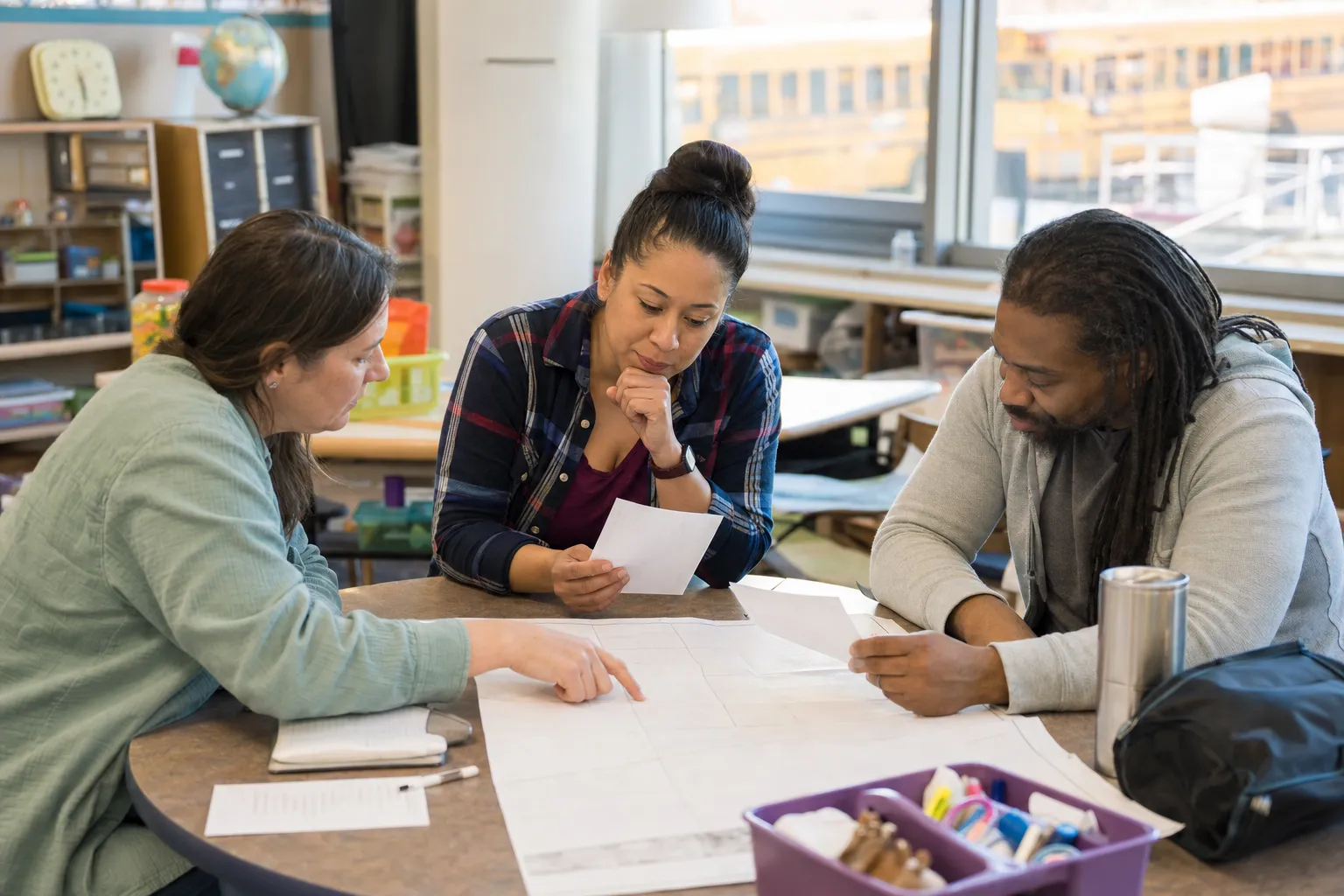
History becomes more concrete when students can examine objects, places, stories, and evidence outside a textbook. A local history museum, cultural institution, historic neighborhood, heritage site, or archive can give the class material to question and interpret. Before the trip, introduce one source, image, artifact, or historical question. During the visit, ask students to look for details that support, complicate, or challenge what they expected.
A strong visit does not need to cover an entire era. One exhibit, building, object group, or local story gives students enough focus to collect evidence. Ask the site whether a guide can adapt the program for fifth grade and whether there is a place for the group to regroup. Back at school, students can write a claim supported by one observation, compare sources, or create a short exhibit label of their own.
3. Make science and engineering visible
Science museums, discovery centers, water facilities, university programs, maker spaces, and public utilities can help students see how people investigate and solve problems. The most useful visit has a question attached to it. Students can look for a force at work, compare how two materials behave, trace a water system, study an engineering design choice, or ask how a professional tests an idea before relying on it.
Contact the destination early for school-group instructions. Timed entry, security, equipment rules, lunch locations, and bus access can shape the itinerary. A simple field notebook with two or three prompts is usually enough. It gives students a job without turning the outing into a worksheet marathon, which nobody enjoys, including the adults carrying the clipboards.
4. Learn how a community works at a civic destination
A city hall, public library, fire-safety program, court education program, transit facility, recycling center, or public works site can make civic life feel real. Fifth graders can see that communities depend on people, systems, rules, maintenance, and shared decisions. Give students a question that fits the site: Who uses this service? What problem does it solve? What information or equipment does the team need to do its job?
Public-service sites often have clear security, arrival, and capacity rules. Confirm them before requesting approval, and make sure students know what respectful participation looks like. A small follow-up project can connect the trip to school, such as mapping a local service, writing a proposal for a classroom need, or explaining how a system helps people every day.
5. See careers and local work in action
A college campus, trade program, local business, health education centre, newsroom, theatre, farm, or nonprofit can help students connect school subjects to adult work. The point is not to make a career decision at age ten. It is to show that people use reading, math, science, communication, creativity, and teamwork to solve real problems.
Ask hosts to show one process rather than trying to explain every role. Students could follow how a product is made, how a team prepares for an event, how a service reaches people, or how workers decide what to do next. Prepare a few respectful questions in advance, then leave time for students to notice what surprised them.
6. Use art, performance, and culture to sharpen observation
An art museum, public-art walk, theatre performance, cultural centre, or music program gives fifth graders practice with close observation and evidence-based discussion. Choose a few moments for students to study, rather than rushing through everything. Ask what they notice first, what detail supports an interpretation, and what questions the work leaves behind. The Smithsonian’s field-trip programmes show how a cultural visit can support active learning.
Share the venue’s expectations before arrival and build in time for entry, seating, restrooms, lunch, and the return trip. Afterward, students can write a response, create a visual piece, compare two approaches to a shared theme, or explain how a performer, artist, or curator communicates an idea.
Give students a role during the visit
Fifth graders can handle a small amount of independence when adults have set clear boundaries. A short task can make the destination active: sketch a system, record three details, compare two solutions, ask one prepared question, or collect evidence for a later discussion. Explain the task before arriving, but keep it light enough that students still have time to be curious. Build in a brief regrouping point before students begin, so every adult knows where the class will meet if the space becomes busy.
Adults need a parallel plan. Confirm each chaperone’s assigned students, meeting point, count routine, contact method, and responsibilities during transitions. The field trip chaperone checklist helps turn those expectations into a briefing the group can actually use.
Plan the journey as carefully as the destination
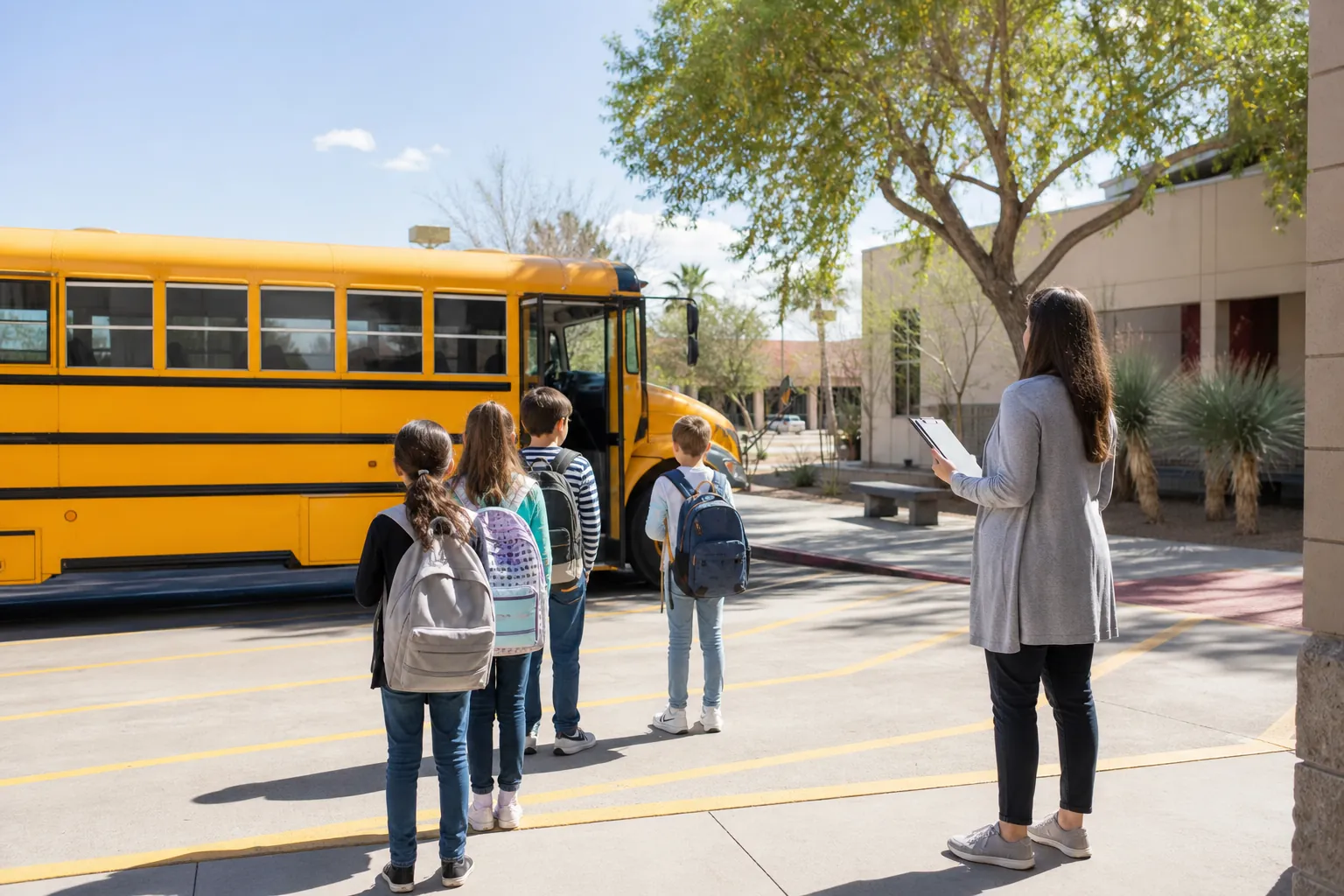
The transportation plan is part of the learning day. Confirm the passenger count, pickup location, destination entrance, arrival window, loading instructions, trip lead, and return plan before the group is in motion. The field trip itinerary template gives school teams one place for those details, while the planning checklist covers approvals, families, adult roles, food, and the destination itself.
The National Highway Traffic Safety Administration’s school bus safety guidance is a useful companion to the school’s own procedures. Review the established boarding, seating, supervision, and emergency routines with students and adults before departure. A calm first ten minutes makes the rest of the day easier to manage.
How Phoenix Suburban Transportation helps
When a fifth grade team has chosen its destination and confirmed the school plan, Phoenix Suburban Transportation can help shape the travel details around the actual group. Sharing the date, passenger count, pickup point, destination access, arrival target, and return window early gives the transportation conversation a practical starting point. That early coordination keeps the travel conversation focused on the day the school is genuinely planning.
For Phoenix-area field trips, educational outings, athletics, and school programs, start with the transportation planning checklist, then request information when the trip details are ready.
Planning a fifth grade outing
Bring the travel details into focus early.
Phoenix Suburban Transportation helps schools coordinate timing, student counts, pickup details, destination access, and the return plan.
Frequently asked questions
A good 5th grade field trip gives students a specific question to investigate, enough time to observe or participate, and a plan that fits the school day. The destination should connect to learning while remaining workable for travel, supervision, access, and the return schedule.
Compare the learning experience, travel time, cost, capacity, accessibility, adult coverage, food and restroom needs, and the destination’s school-group instructions. A shorter trip with a clear purpose is often stronger than a packed schedule.
Give students a small task, such as recording evidence, sketching a system, asking a prepared question, comparing two objects, or noting one connection to classroom learning. Keep it short enough that students can still engage with the place and follow adult directions.
Confirm the date, group count, pickup point, destination address, arrival and return windows, loading instructions, school trip lead, and day-of contact. Schools should follow their own procedures for student counts, supervision, and changes to the plan.
Related posts
Middle School Field Trip Ideas: 7 Engaging Options for Schools
Explore seven engaging middle school field trip ideas, then choose an option that fits your students, learning goal, and school-day plan.
Read the guide →
Field Trip Planning Checklist for Schools
Use this school field trip planning checklist to confirm approvals, destination details, adult roles, transportation, and family communication before the day of the trip.
Read the guide →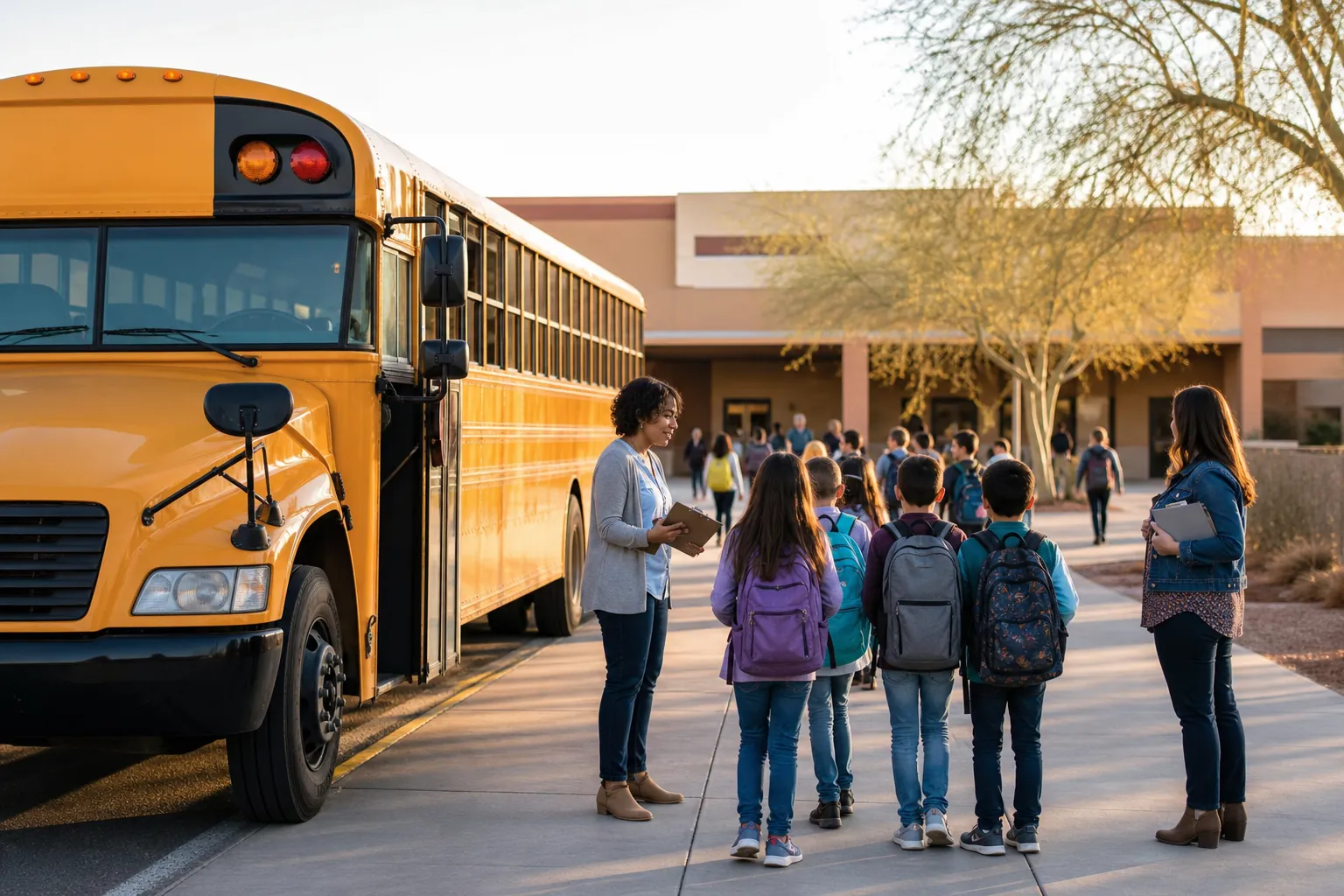
Field Trip Transportation: A School Planning Checklist
A practical checklist for schools coordinating safe, organized transportation for an educational outing.
Read the guide →